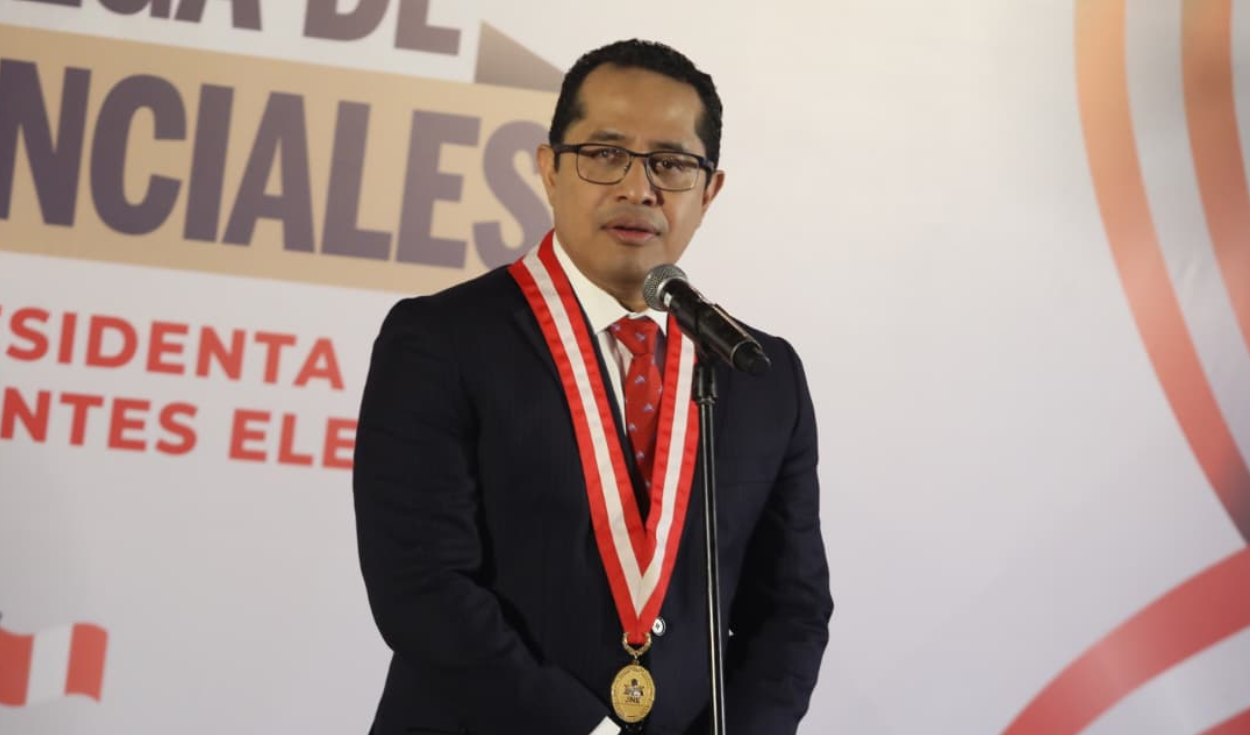
Roberto Burneo, the president of the Jurado Nacional de Elecciones, blamed Congress for leaving open doors in legislation prohibiting the immediate reelection of mayors.
Speaking at a conference at the Ilustre Colegio de Abogados de Piura, Burneo addressed widespread reports of covert reelection across Peru.
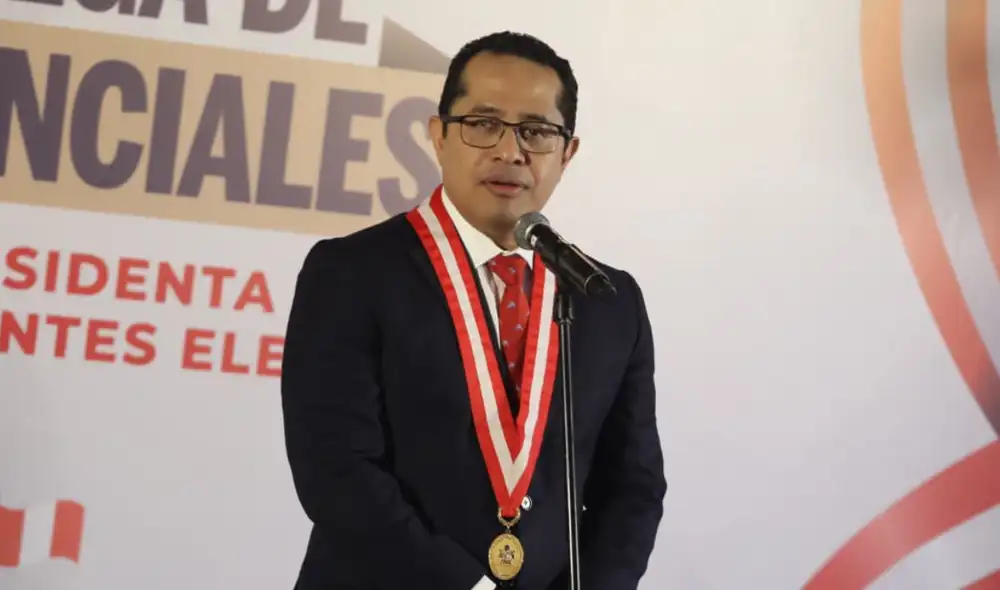
Burneo explained that a 2015 constitutional reform amended articles 191 and 194 of the Constitution to prohibit immediate reelection for regional governors and mayors. He said the electoral authority complies with the rule, but lawmakers who drafted the reform failed to establish prohibitions against former mayors participating through alternate mechanisms.
As a result, outgoing mayors across Peru are running for positions as first councilor or first regional counselor. Others are moving from district mayor positions to run for provincial mayor or regional government posts.
Constitutional Reform Gaps
Burneo said that with an ongoing electoral process, it is not the role of the Jurado Nacional de Elecciones to establish rules that legislators omitted or chose not to create. He emphasized that while immediate reelection is banned, current regulations do not prevent a sitting mayor from running for councilor or regional counselor.
He urged citizens to consider the complete candidate list when casting their ballots. Burneo added that the existing legal framework created by lawmakers is responsible for allowing local officials to gain access to these offices through secondary positions.
Comprehensive Electoral Reform
Burneo called for an immediate and comprehensive debate on the electoral system. He noted that the electoral jury will prioritize legislative initiatives to strengthen the system and bring covert reelection and other constitutional reforms affecting elections to open debate.
He recalled that the 1993 Constitution did not prohibit the reelection of local authorities because four years was considered too short a term. Burneo said lawmakers are currently turning their backs on reality, noting that in some districts only a single candidate list is presented because few people want to run.
He stated that electoral discussions must not be led solely from the perspective of Lima, which often ignores national realities across Peru. He stressed that reform must be debated immediately rather than waiting for an election year, pointing out that electoral cycles begin as soon as official election closures are proclaimed.
Candidate Suitability and Vetting
Addressing questions regarding candidates with criminal convictions or records, Burneo said the electoral jury is legally restricted to applying existing rules during an active election cycle. He noted that while rules cannot be changed mid-process, candidate suitability must be placed on the legislative agenda.
Burneo emphasized that assessing candidate suitability ultimately rests with citizens when voting. He added that political organizations also share the responsibility to thoroughly review candidate resumes before submitting their lists.