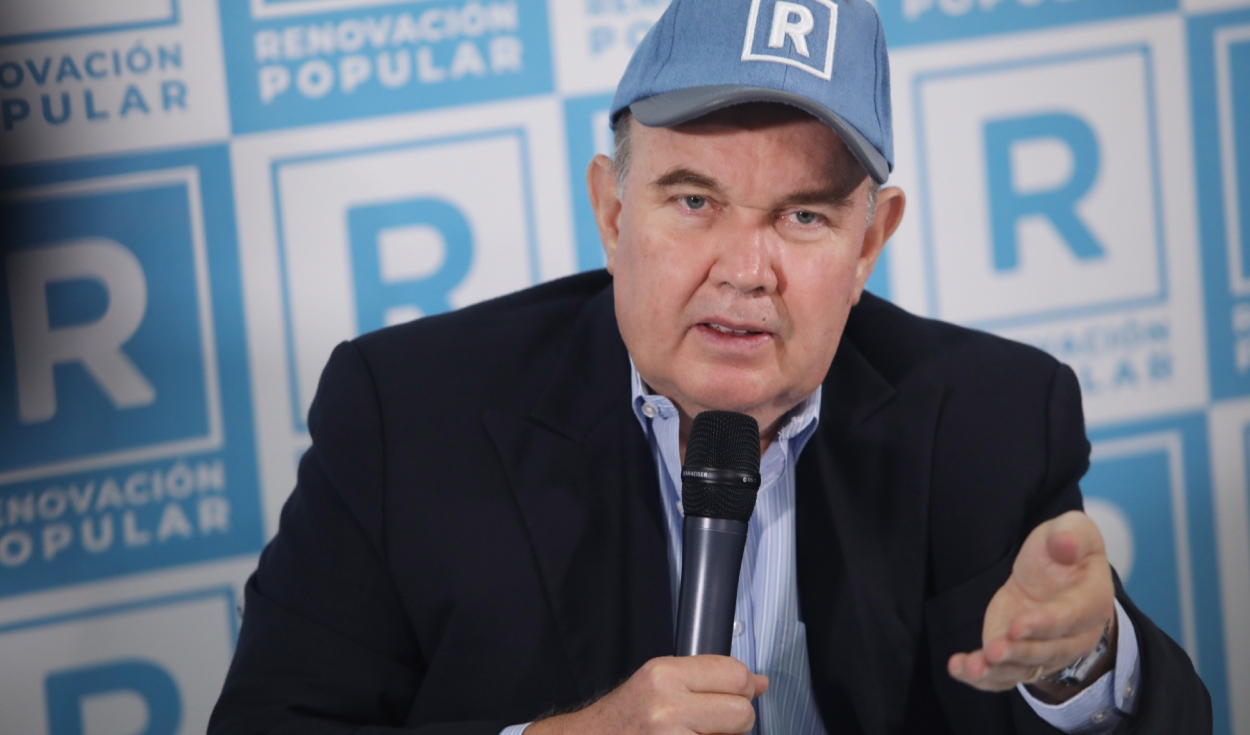
Peru's electoral authority, the National Office of Electoral Processes, detected that conservative political party Renovación Popular used state funding for 2026 election campaign activities.
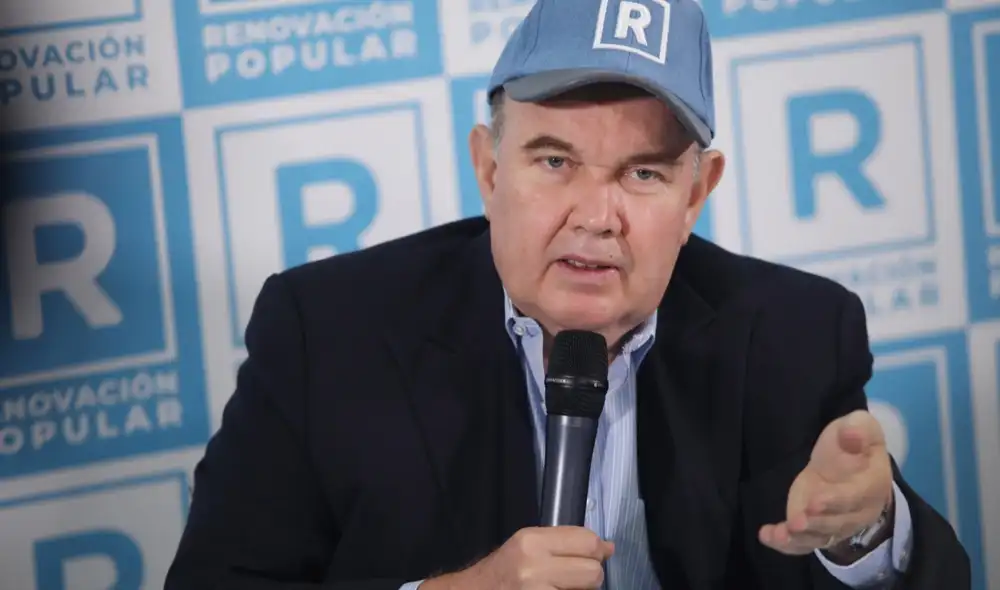
An official audit revealed that five separate contracts signed in 2025, totaling 250,375.34 Peruvian soles, were funded through Direct Public Financing despite being oriented toward campaign strategy, political advertising, and primary election prep.
Under Peru's Law of Political Organizations, the National Office of Electoral Processes, known as ONPE, distributes public subsidies to qualifying political parties. The state funding is strictly reserved for ordinary operational expenses, institutional development, and research into socio-economic issues, and cannot be spent on campaign proselytism.
Electoral research and strategy contracts
The largest portion of the flagged spending involved four payments registered on May 16, June 18, July 7, and August 15, 2025, totaling 113,325.34 soles. Although registered as research services into national socio-economic issues, ONPE found that the contracts focused on analyzing political perception, electoral conditions, and pre-campaign communication strategy.
Electoral auditors concluded that the services failed to align with required socio-economic research concepts. The party also failed to demonstrate that the studies formed part of a comprehensive research project.
A second flagged expenditure involved 82,600 soles paid to a legal institute for advice during electoral processes. ONPE auditors discovered that the contract covered legal defense against administrative penalties for painting illegal campaign graffiti in unauthorized locations, alongside legal counsel for internal primary elections.
The electoral authority ruled that defending illegal propaganda placement and managing primary election disputes did not constitute ordinary administrative operations, but were direct campaign activities.
Campaign propaganda and audiovisual material
ONPE highlighted a contract registered on December 11, 2025, worth 33,700 soles for comprehensive advice on political communication strategy. Auditors determined that the work consisted of political positioning and propaganda actions.
In its official report, the electoral body stated that the activities were not oriented toward institutional strengthening or the ordinary operational and administrative needs of the political organization.
A contract of 20,000 soles designated for the production of audiovisual material for primary elections was also flagged. While presented as training material, ONPE identified the content as political proselytism aimed at boosting digital presence, promoting party branding, and disseminating political messages in favor of the organization.
The smallest item cited was a 750-sol payment for translation and interpretation of spots for the electoral broadcast slot. Auditors noted that translating political broadcast spots was an explicit adaptation of election propaganda material.
Previous findings on party leader book
The audit is not the first time Renovación Popular has faced scrutiny over public fund usage. The conservative party is led by Rafael López Aliaga, a prominent Peruvian politician and former presidential candidate. ONPE previously flagged 6,400 United States dollars, or approximately 24,700 soles, allocated from state funding for a 42-page digital book titled 'Mi Gallo es el Chancho'.
Submitted on September 25, 2025, by journalist Francisco de Piérola under a formal commitment to document the history of Renovación Popular, the finished text instead focused on passages from López Aliaga's life and his personal friendship with the author.
ONPE's Party Funds Supervision Management noted that the book failed to meet Article 27 of the Financing Regulations, which mandates that state-funded research must analyze national problems or propose solutions to socio-economic challenges facing Peru.
Sanctions against other Peruvian parties
Renovación Popular is not the only political group subject to financial enforcement in Peru. In early May 2026, ONPE sanctioned rival party Fuerza Popular, the right-wing party led by Keiko Fujimori, with a fine of 36 Tax Units, totaling 198,000 soles, along with a 50 percent reduction in its public funding allocation.
In Peru, fines are calculated using the Tax Unit, an official financial reference index. The electoral authority found Fuerza Popular guilty of four distinct infractions under the Law of Political Organizations, including allocating Direct Public Financing to unauthorized activities such as training sessions and late payment interest fees.