

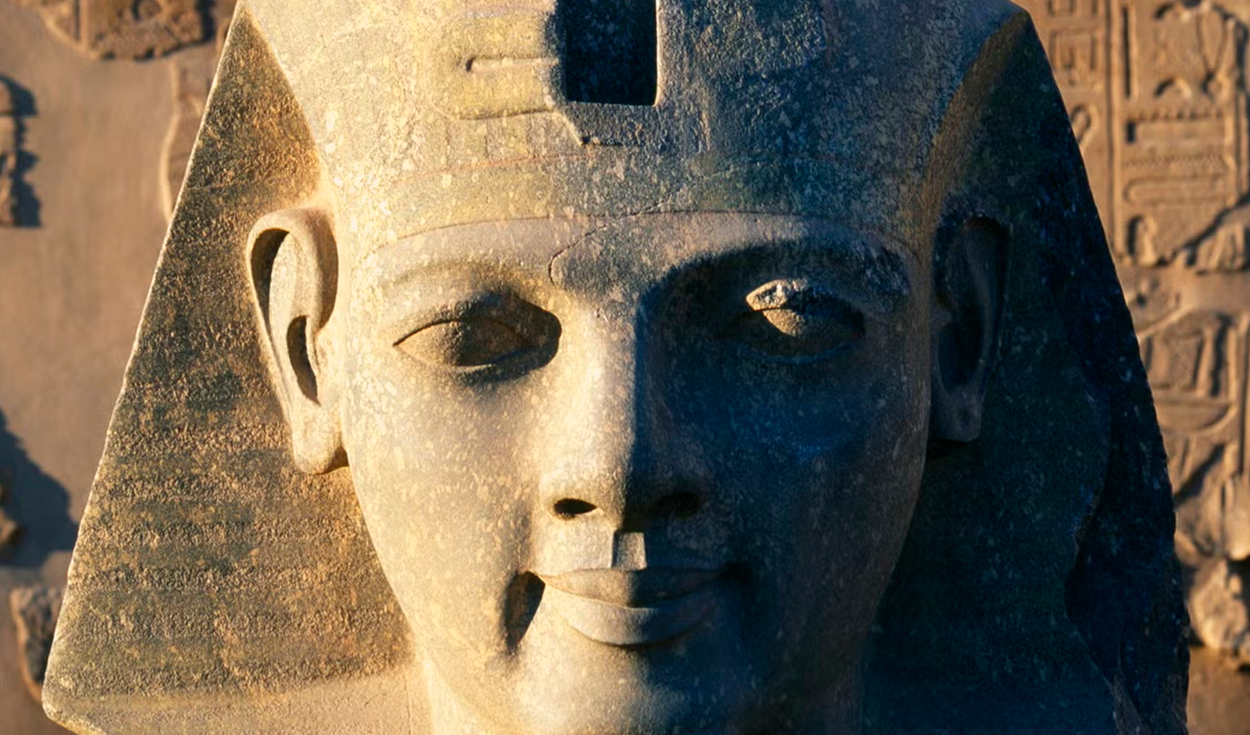
A colossal statue of Pharaoh Ramesses II in central Egypt has been fully restored 96 years after its bottom half was first discovered.
In early 2026, Egyptian restoration teams successfully reassembled the limestone sculpture at the northern entrance of the El Ashmunein temple, where the monument originally stood thousands of years ago.
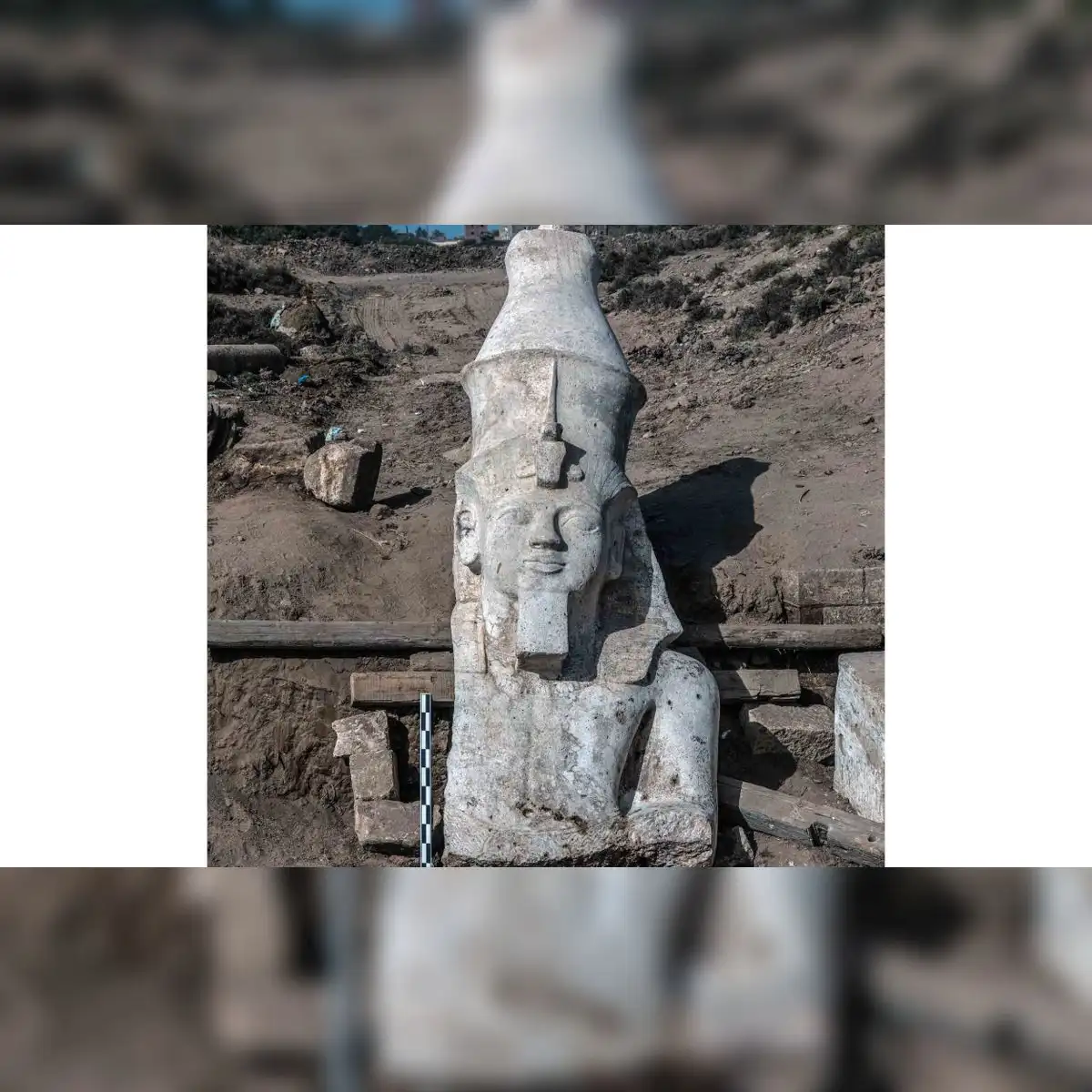
The restoration followed the discovery of the statue's missing upper half in March 2024 by a joint archaeological mission. The nearly four-meter-tall fragment was found buried face down close to where the lower section was unearthed in 1930.
Ancient statue unearthed in two parts
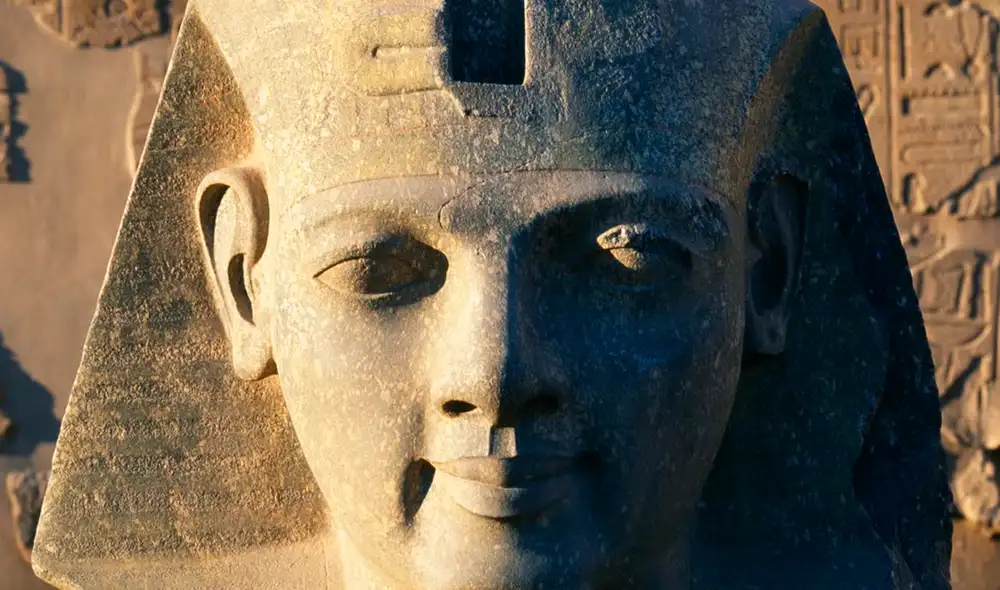
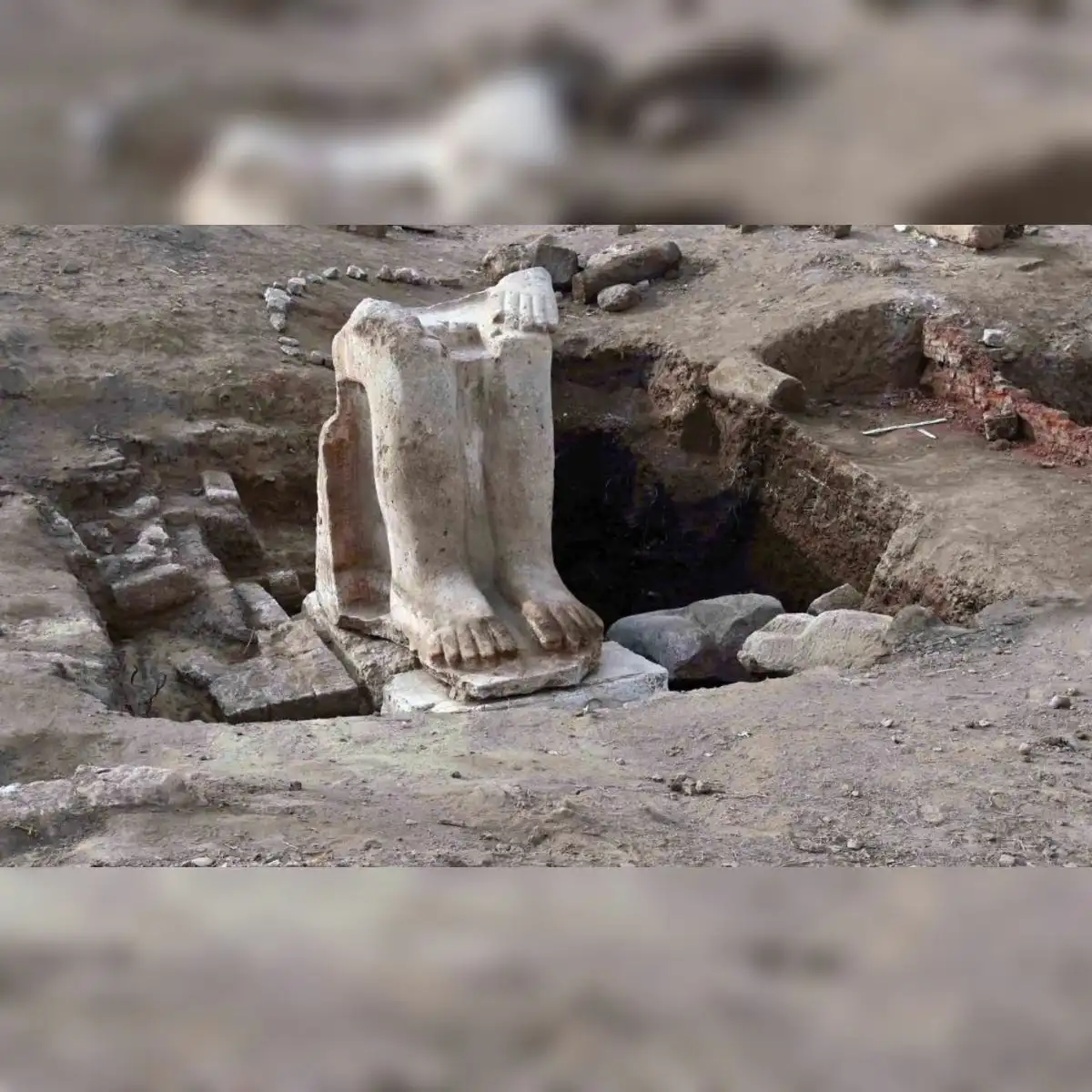
German archaeologist Günther Roeder first excavated the lower half of the giant statue in 1930. The piece, standing over seven meters tall, was uncovered near the ancient city of Khemnu, which became known as Hermopolis Magna during the period of Roman rule.
For decades, the top half remained missing. Archaeologists feared the upper section was lost beneath the sand or destroyed by environmental degradation and moisture from the nearby Nile River.
Carvings and rare paint pigments
The newly recovered upper fragment depicts Ramesses II wearing a royal headdress decorated with a cobra, an emblem of royal authority in ancient Egypt. Archaeologists identified traces of yellow and blue pigments on the surface, a rare survival on sculptures of such age that offers insight into how the monument looked more than 3,200 years ago.
Yvona Trnka-Amrhein, assistant professor of classics at the University of Colorado Boulder and co-leader of the archaeological team, said in a press release that the proximity of Hermopolis Magna to the Nile posed serious challenges. She noted that after the construction of the Aswan Low Dam, rising groundwater levels created major concerns, offering no guarantee that the stone would remain intact. She added that sandstone can sometimes degrade into plain sand or limestone into broken rock.
Despite those environmental hazards, post-excavation inspection confirmed that the limestone fragment had survived in extraordinary condition.
Restoration and re-erection in Minya
Following the 2024 discovery, Egyptian authorities approved a restoration project to join both parts. Work began in 2025 and culminated in early 2026, when conservators raised the completed monument at its original location at the northern entrance of the El Ashmunein temple in the modern Minya region, south of Cairo.
Trnka-Amrhein stated in a press release that while the team knew the rest of the statue might be present, they were not searching for it specifically. She noted that although finding the remaining section was plausible, its discovery was a total surprise.
The fully restored structure measures nearly 6.7 meters in height and weighs over 40 tons. It is the first complete colossal statue discovered in central Egypt to be studied using modern archaeological methods.
Ramesses II, one of ancient Egypt's most prominent pharaohs, ruled during the 19th Dynasty in the 13th century BC and commissioned major monuments across Egypt. The ancient site of Khemnu served as an important religious center dedicated to the deity Thoth before evolving into Hermopolis Magna during the Greco-Roman period.


