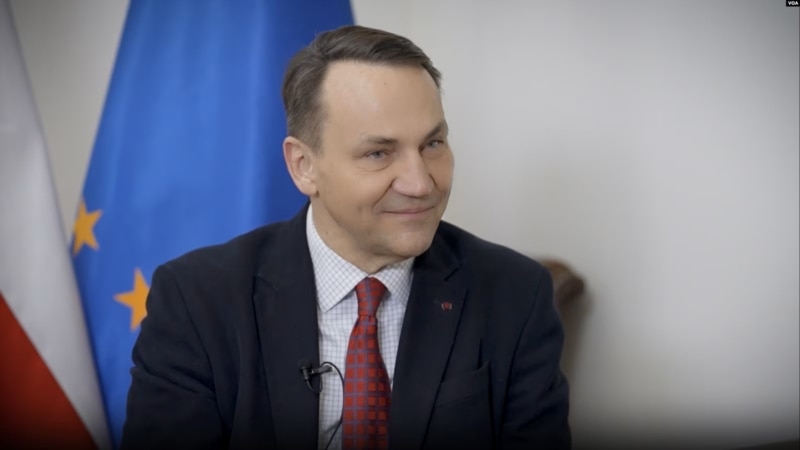
Polish Foreign Minister Radoslaw Sikorski has called for frozen Russian state assets held in Western institutions to be used immediately for Ukraine's military defense rather than saved for post-war reconstruction. Speaking to Radio Free Europe/Radio Liberty, Sikorski argued that European nations must prioritize stopping Russian aggression today over rebuilding destroyed infrastructure later.
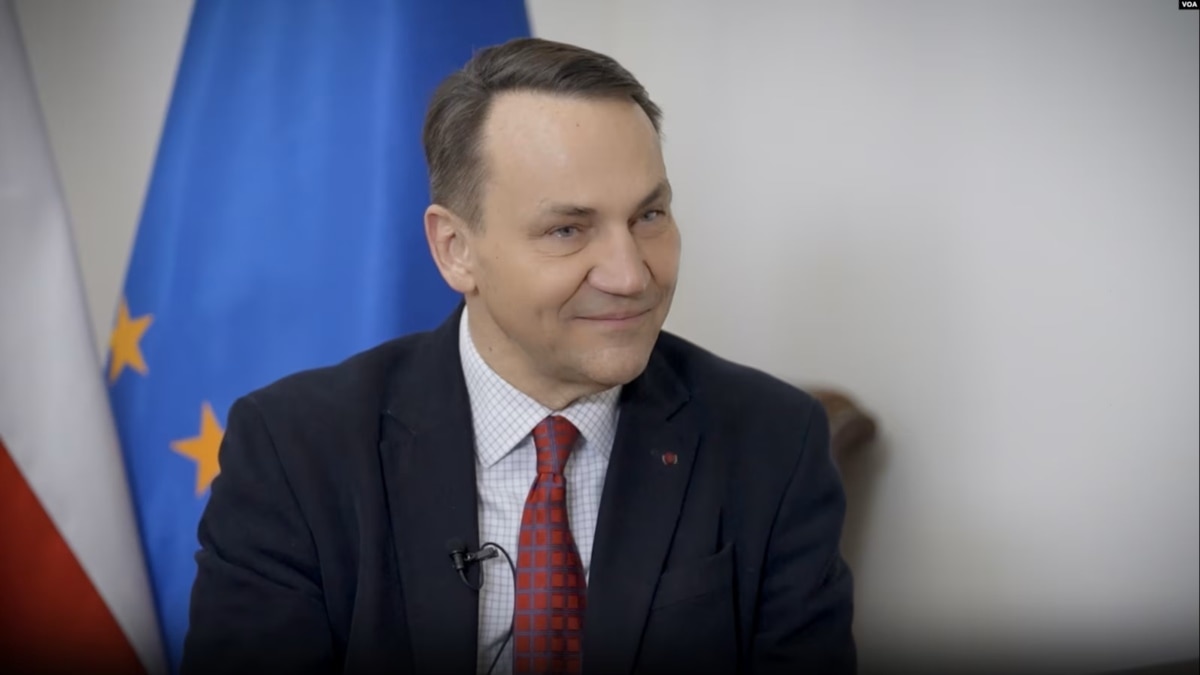
Sikorski made his comments following a joint letter sent on August 27 by the foreign ministers of Poland, Sweden, Spain, and the Netherlands. The letter, obtained by Radio Free Europe/Radio Liberty, urges European Union leaders to reopen discussions on broader deployment of immobilized Russian funds to aid Kyiv.
Sikorski stated that the aggressor must pay for the consequences of its war. He added that Moscow would not receive its funds back until it paid war reparations to Kyiv, making it logical to deploy the capital immediately to stop aggression rather than awaiting the conclusion of the conflict.

Joint Proposal by European Nations
The diplomatic initiative was signed by Swedish Foreign Minister Maria Malmer Stenergard, Polish Foreign Minister Radoslaw Sikorski, Dutch Foreign Minister Tom Berendsen, and Spanish Foreign Minister Jose Manuel Albares. The document was addressed to EU High Representative for Foreign Affairs and Security Policy Kaja Kallas and Irish Foreign Minister Helen McEntee, with copies delivered to European Commissioner for Economy Valdis Dombrovskis and European Commissioner for Enlargement Marta Kos.
Diplomats from the initiating countries said the proposal commands widespread support among EU member states. By bringing together governments from northern, eastern, southern, and western Europe, the signatories intended to demonstrate that the push reflects a continent-wide consensus rather than the agenda of a single regional faction.
In the document, the ministers noted that while existing loans provide vital assistance to Kyiv, all parties recognize those measures will prove insufficient over time. They argued that tapping immobilized assets allows the EU to make Russia pay for the destruction it has caused without delay, while simultaneously easing financial burdens on European taxpayers.
The four ministers called on the European Commission and member states to establish a collective risk-sharing mechanism, ensuring that no single nation shoulders a disproportionate share of potential liabilities. As an immediate next step, the signatories proposed convening technical experts from the European Commission to consult with member states and formulate detailed implementation options.
Substantial Assets Frozen Across Europe
The signatories requested that the proposal be formally placed on the agenda for the upcoming informal meeting of EU foreign ministers scheduled for September 1 to 2. The European Commission previously told Radio Free Europe/Radio Liberty that it remains prepared to re-examine the legal framework surrounding frozen Russian assets whenever member states formally raise the topic.
European financial institutions currently hold approximately $300 billion in frozen Russian sovereign assets. The vast majority of these funds, roughly 190 billion euros, are immobilized at the Euroclear financial repository in Belgium, while approximately 30 billion euros are frozen in the United Kingdom and 19 billion euros in France.
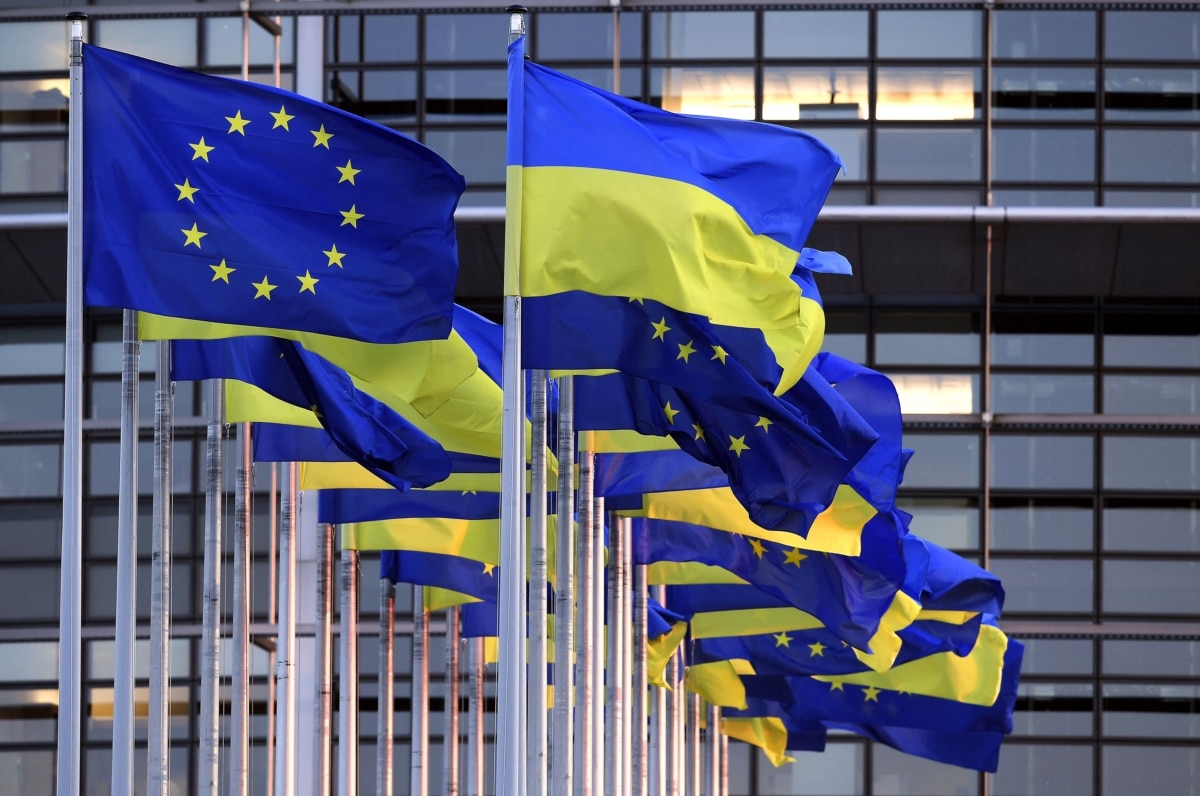
Euroclear, headquartered in Brussels, is a major international central securities depository that provides settlement and clearing services for cross-border financial transactions. Western governments immobilized Russian central bank assets held within Euroclear and other international clearing houses following Moscow's full-scale invasion of Ukraine in February 2022.