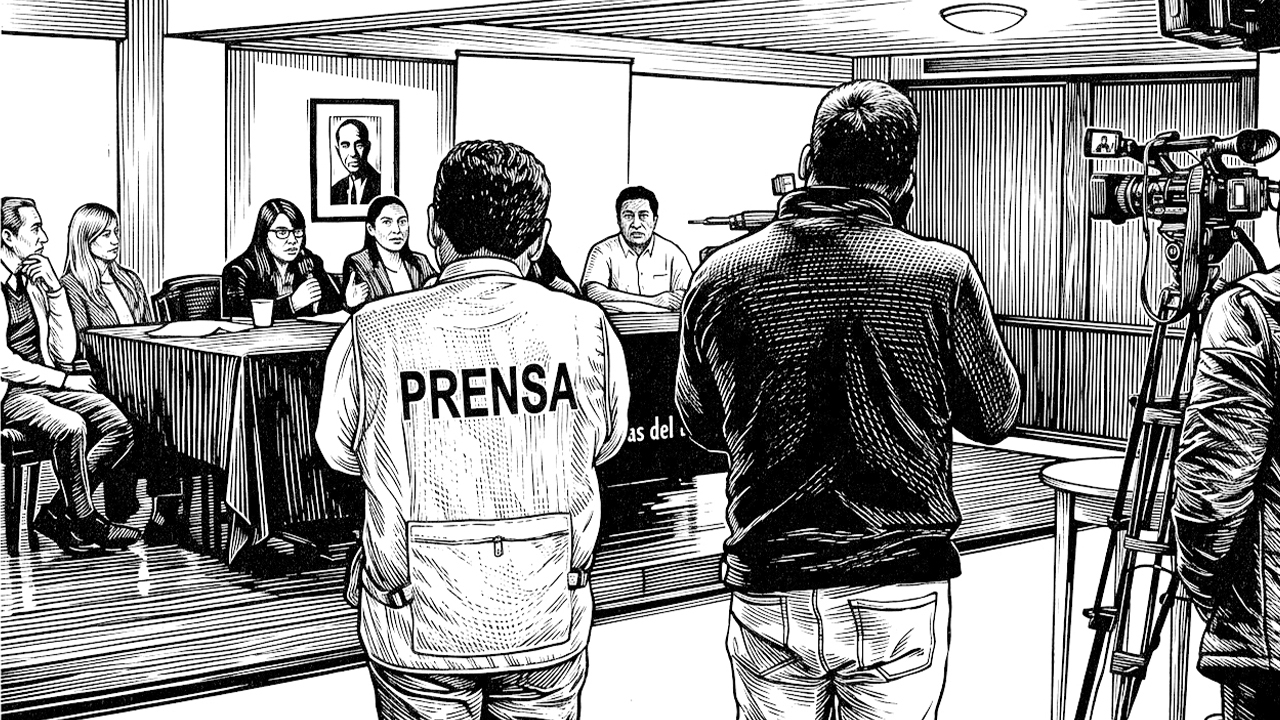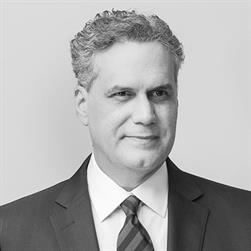
Diplomat and author Harry Belevan has been elected president of the Academia Peruana de la Lengua in Lima, leading a newly appointed board of directors.
Peruvian author Eduardo González Viaña, who serves alongside Belevan on the incoming leadership committee, announced the election while addressing the ongoing national debate over regional vocabulary and linguistic tolerance across Peru.
The announcement followed a recent incident at a bakery in Lima, where González Viaña was reprimanded by a cashier after asking to purchase chaplas displayed in the shop. The cashier corrected the writer, asserting that the traditional item should be called Andean bread rather than chapla.
The cashier instructed González Viaña to review his vocabulary, suggesting that residents from provincial regions should study Spanish before moving to the capital. Pan chapla is a traditional flatbread originating from Ayacucho in the Peruvian Andes, baked using wheat flour and flavoured with aniseed.
González Viaña expressed concern over the encounter, emphasizing that Spanish and indigenous languages together form the speech of Peru and that intolerance is an ineffective method for teaching language. He noted his membership in three major bodies: the Academia Peruana de la Lengua Española, the Academia Norteamericana de la Lengua Española, and the Real Academia Española.
Linguistic Intolerance and Regional Speech
Addressing public perceptions of academic institutions, González Viaña explained that academicians do not act as language police. He highlighted that the mission of language academies is to document living speech rather than restrict local usage.
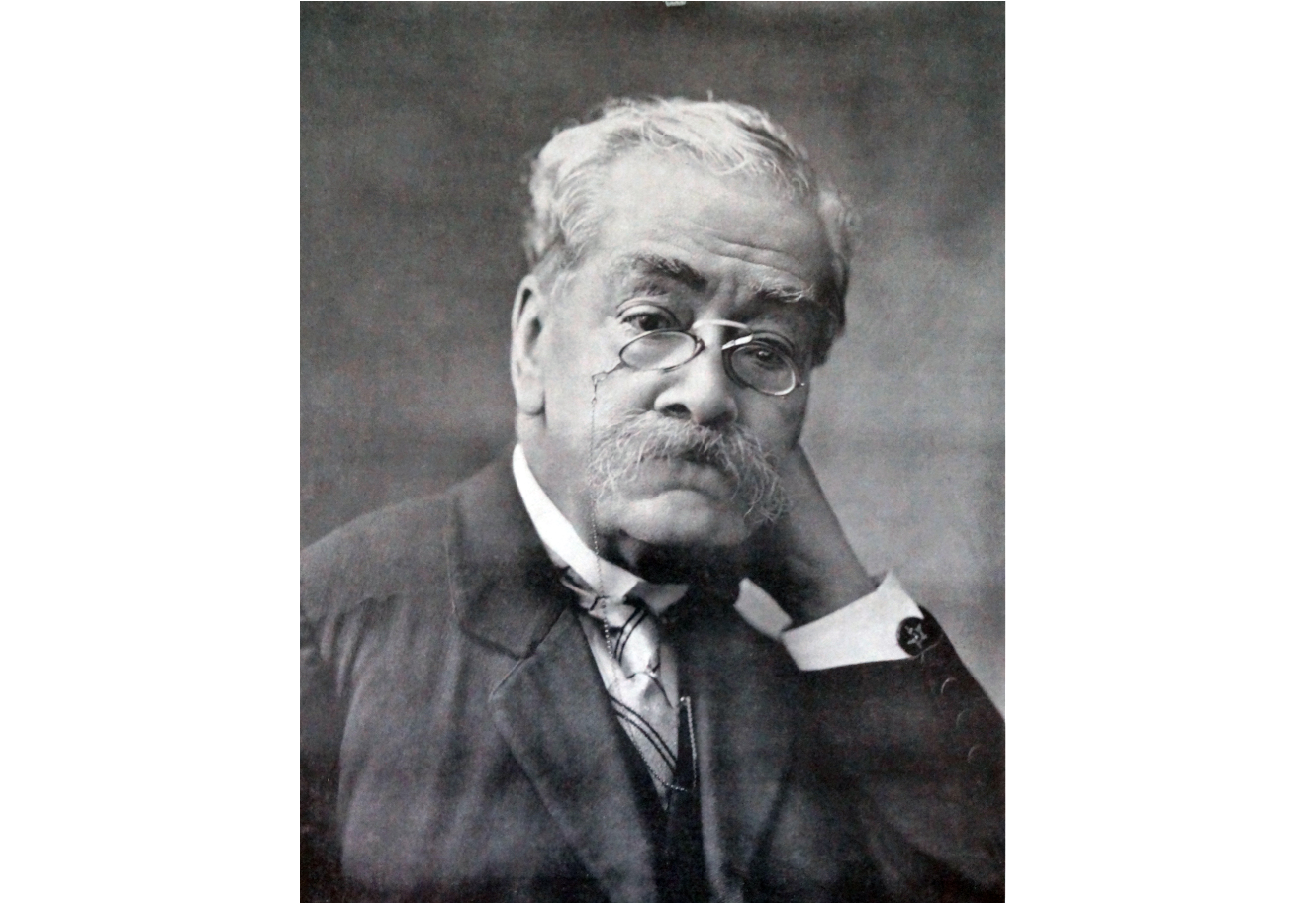
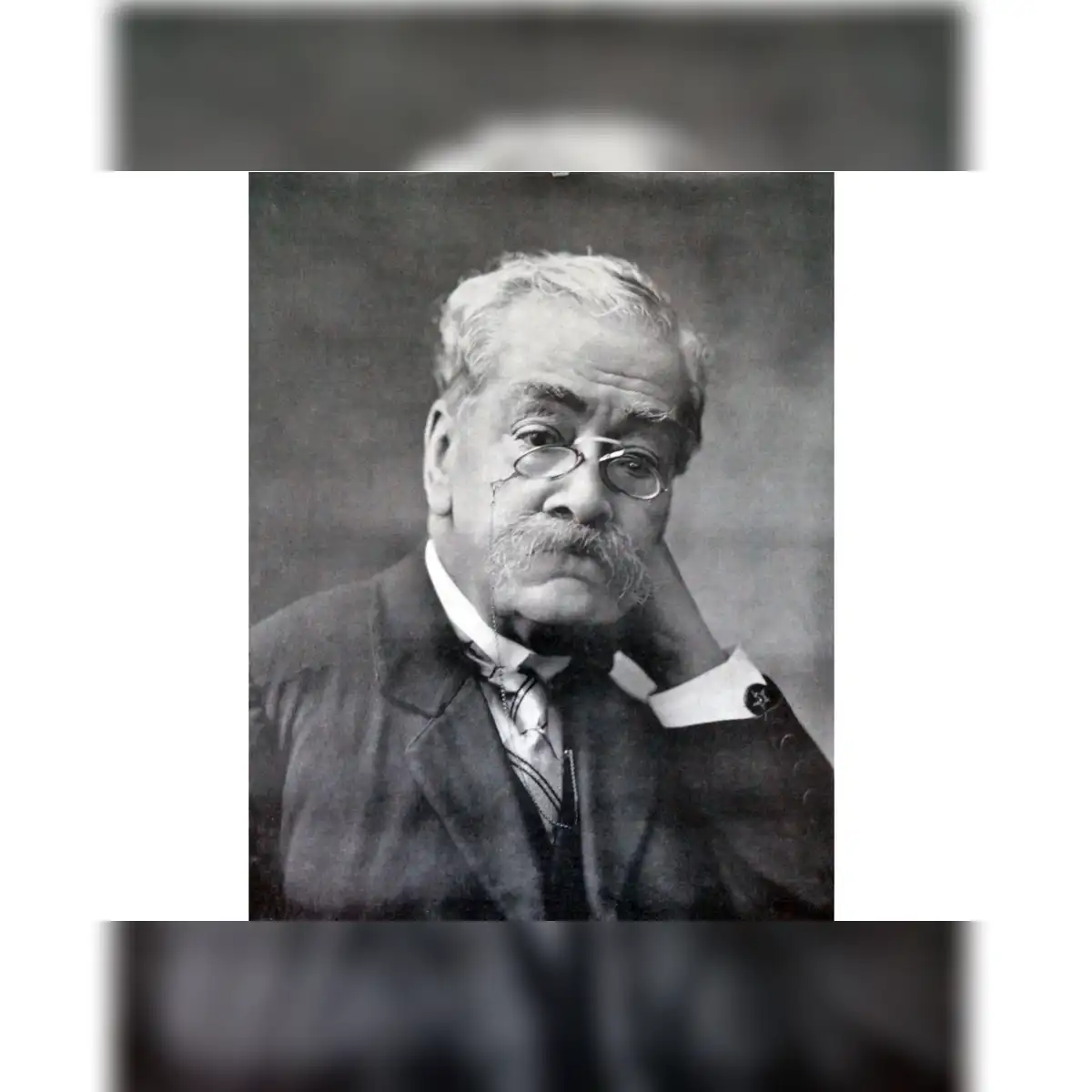
Ricardo Palma, who founded the Academia Peruana de la Lengua in 1887, established a precedent by successfully incorporating colloquial Peruvian and Latin American expressions into official Spanish dictionaries. Palma was a prominent nineteenth-century Peruvian author and scholar best known for his historical short stories published as Tradiciones peruanas.
González Viaña cited nineteenth-century Spanish politician and writer Emilio Castelar, who stated that the soul of a language resides in its syntax rather than its vocabulary. Castelar advocated for enriching vocabulary while respecting underlying syntactic structures.
In 1892, Palma travelled to Spain to represent Peru at the Columbus centenary congresses, where he defended American Spanish vocabulary against rigid academic tradition. Palma noted at the time that Spanish speakers in the Americas already represented an overwhelming majority of total speakers worldwide.
In a letter to Spanish realist novelist Benito Pérez Galdós, Palma recalled his frustration with the Madrid-based academy. Palma wrote that he had accepted his government assignment hoping to unify Spanish and Peruvian linguistic standards, but returned deeply dissatisfied with an institution he described as intransigent and bound to the past.
Historical Legacy and Academy Leadership
According to González Viaña, the historical stance of the Spanish language academies has evolved into full openness, supported by exhaustive research into regional vocabulary that represents everyday speakers. He noted that linguistic syntax changes slowly over time, making classic works such as Don Quixote comprehensible to modern readers.
A decade ago, González Viaña co-edited the short story anthology Los académicos cuentan with Gerardo Piña-Rosales, who then served as president of the Academia Norteamericana de la Lengua Española. The publication showcased fiction written by Spanish-language scholars living in the United States.
The newly elected board under Harry Belevan continues a long lineage of distinguished Peruvian intellectuals who have led the institution. Past presidents include Francisco García Calderón y Landa, Ricardo Palma, Javier Prado, José de la Riva Agüero, Víctor Andrés Belaunde, Aurelio Miró Quesada, Estuardo Núñez, Augusto Tamayo Vargas, José Jiménez Borja, Luis Jaime Cisneros, Marco Martos, Ricardo Silva Santisteban, and Eduardo Hopkins.
Digital Resources and Lawmaking
Under its recent leadership, the Academia Peruana de la Lengua has expanded its digital public services. The institution offers online access to its Diccionario de Peruanismos alongside a digital library containing nearly all of its published books.
The academy also publishes the Boletín de la Academia Peruana de la Lengua, a peer-reviewed academic journal that ranks among the most highly regarded scholarly publications in Peru.
Renowned poet and former academy president Marco Martos emphasized that common Peruvian expressions reflect valid regional speech. Martos cited everyday terms such as chacra, a Quechua-derived word for farm, and cancha, an indigenous term for a sports field, as standard elements of Peruvian Spanish.
Martos explained that language academies record majority usage and provide recommendations without imposing rules on the public. He added that academy members would gladly offer writing instruction to newly elected parliamentarians to assist them in drafting proper legal texts.
González Viaña concluded by suggesting that lawmakers be invited to discuss language over traditional Peruvian refreshments, including hot Api, a purple corn beverage, muña herbal tea, warm humita corn cakes, and pan chapla. He reaffirmed his intention to continue enjoying traditional chapla bread.