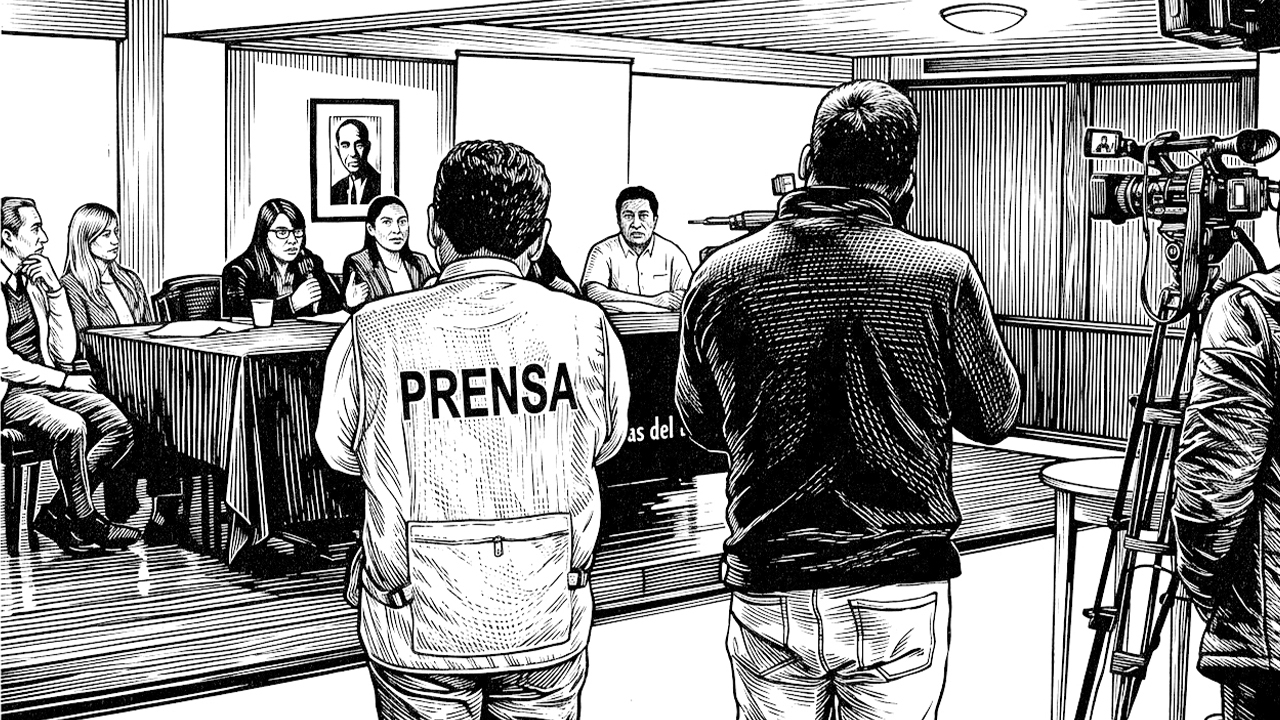
Peru's government is understating the depth of its social deficit, economist Javier Herrera argues, pointing to census data showing that millions of citizens still lack reliable access to clean water, rubbish collection and adequate security.
Writing in a Lima outlet, Herrera notes that incoming governments routinely set low expectations by overstating how bad conditions were when they took office, allowing modest improvements to be presented as major achievements. The real measure of state performance, he contends, is whether public services reach every citizen regardless of where they were born or live.
Water access and quality
According to the 2025 census, one in five homes is not connected to the public water network. In rural areas the gap is severe: 42.1 percent of homes have no connection at all. In cities outside Lima the figure stands at 17.8 percent. One in ten households does not receive water every day; one in five lacks a 24-hour supply.
Connection alone does not guarantee safe water. The 2025 National Household Survey found that six in ten households , 61.9 percent , consume water that has not been properly treated. Herrera says untreated water exposes the most vulnerable, including children and the elderly, to gastrointestinal disease. In rural areas, 96.5 percent of the population drinks unsafe water; in urban areas the figure is 54.2 percent.
Comparing 2025 data with 2017, Herrera says conditions improved only in the capital, where the share of residents without safe water fell from roughly one third to one quarter. Elsewhere the picture worsened: in cities other than Lima, the proportion drinking unsafe water rose from 69.9 percent to 73.9 percent. In rural areas it remained above 95 percent.
Waste collection and inequality
The 2025 census shows that municipal waste collection does not reach 36.3 percent of households. Without it, families burn, bury or dump rubbish, creating public health and environmental risks that extend beyond individual homes. In rural areas roughly two thirds of households burn, bury or throw waste into open land; in 13.7 percent of rural cases it is used as animal feed.
Herrera argues the system perpetuates territorial inequality because collection depends on local government budgets, and the poorest districts have the least revenue to fund the service.
Crime on an incomplete map
On security, Herrera says that states of emergency and military deployments have repeatedly failed. He argues the deeper problem is an incomplete picture of crime: the National Survey of Budget Programs estimates that around 85 percent of offences go unreported, meaning authorities design strategies based on a partial map. Updating victimisation surveys and incorporating spatial analysis tools, he says, would allow prevention resources to be directed more effectively.
Social programs and pensions
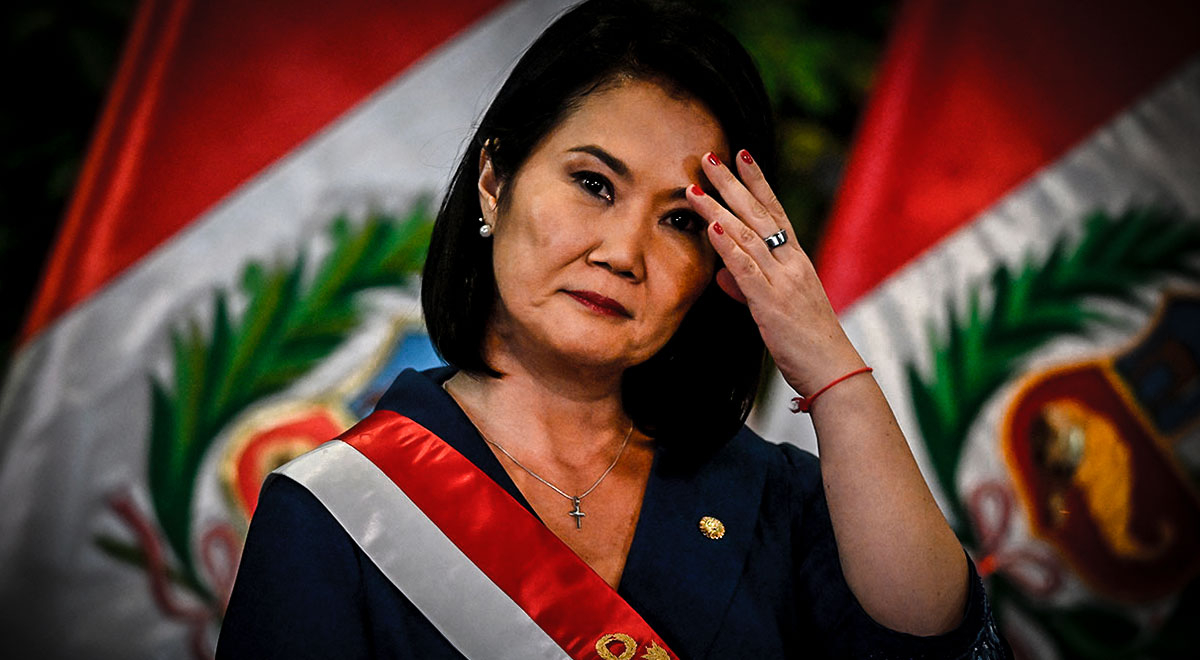
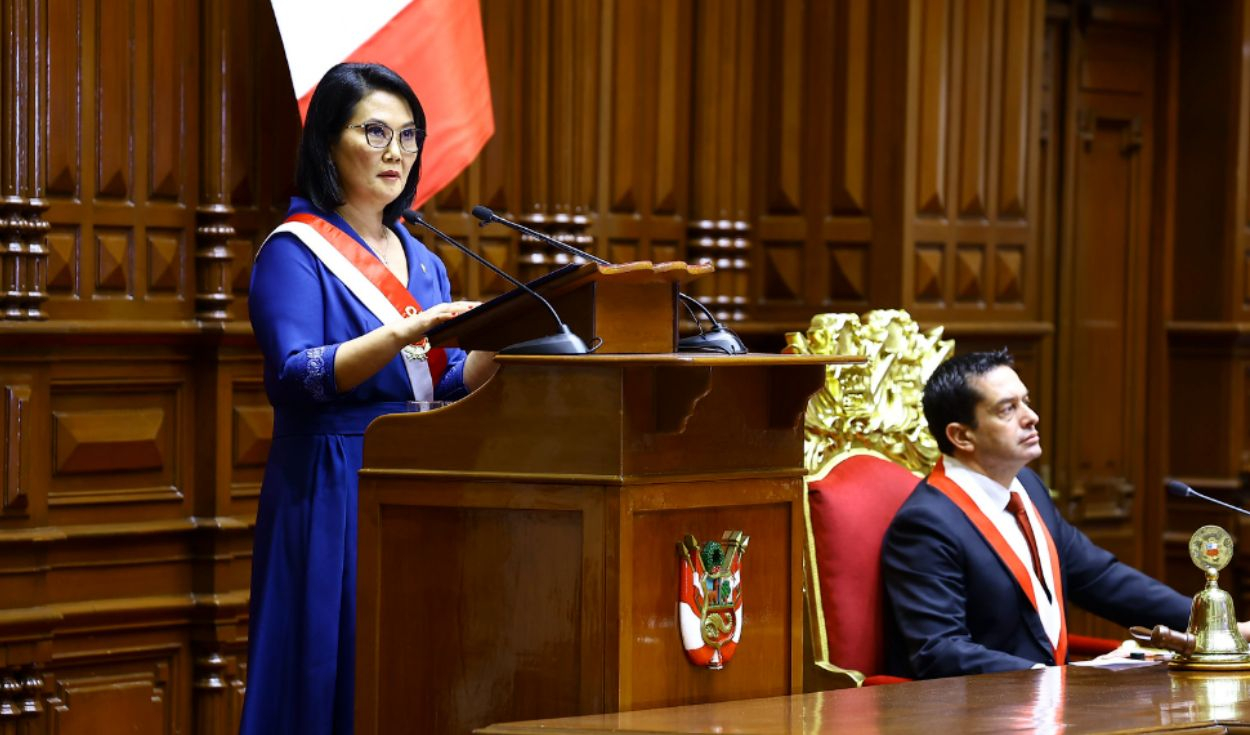
Herrera says the presidential message presented figures showing growth alongside deep social gaps, but that the proposed responses do not match the complexity of the problem. Social programs continue on autopilot even though poverty has become predominantly urban and a large group of households risks falling back into poverty at the first economic or health shock.
He says the increase to the Pensión 65 program was necessary but that expanding its coverage is more urgent, particularly in a country that is ageing and has high levels of informal employment.
The fiscal question
Closing these gaps will require resources, Herrera notes, and Peru has one of the lowest tax burdens among countries at a similar income level. He identifies several options: greater formalisation of the economy, reducing tax evasion, eliminating unjustified exemptions, reviewing taxation on extraordinary income and, where appropriate, prudent borrowing.
Closing the gaps, he concludes, is not expenditure. It is the repayment of a social debt and the most profitable investment Peru can make in its future development.