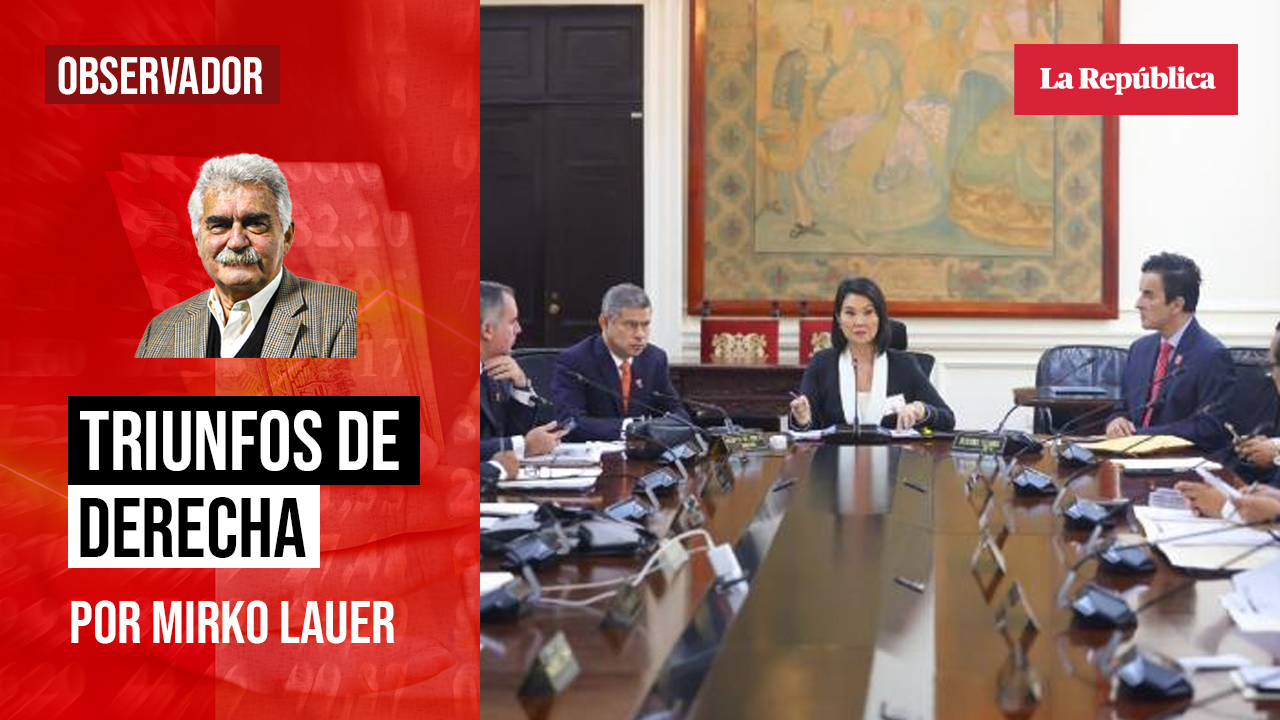
Right-wing political factions in Peru are competing for influence in the new government following recent national elections, according to political analyst Mirko Lauer.
Writing in an analysis published on Wednesday, Lauer reported that multiple conservative groups each claim victory in the polls and are using their perceived mandate to demand cabinet representation and legislative power. At present, only the central government itself is refraining from making public demands for political space.
The political right in the South American country is far from monolithic, splitting into at least five distinct camps with competing visions for governance, Lauer noted. These groups range from traditional conservatives to hardline reactionaries seeking a radical overhaul of the Peruvian state apparatus.
Factions within the Peruvian right
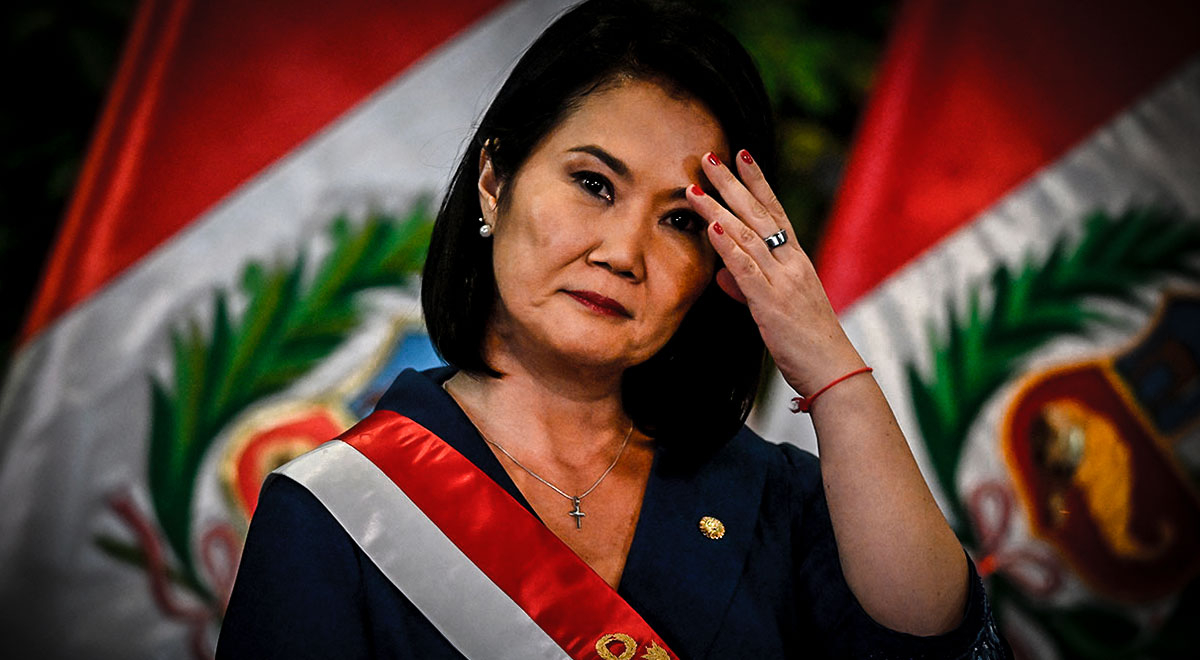
The largest group, described by Lauer as the calm right, views the political rise of conservative leader Keiko Fujimori as a pivotal moment. This faction equates her success to the twin achievements of her father, former President Alberto Fujimori, who combated guerrilla terrorism militarily and dismantled economic mercantilism during his decade in power. Proponents of this view remain confident that her party, Fuerza Popular, will steadily address national issues through conventional governance.
In contrast, a second group remains unsatisfied with the election outcome, arguing that conservative forces did not win decisively enough. This faction demands aggressive action to corner defeated left-wing opponents both inside and outside the Congress of the Republic of Peru. Modeling themselves on presidential far-right movements across Latin America and beyond, they allege that progressive political elites, known locally as caviares, have covertly infiltrated the incoming administration.
A third hardline group has intensified pressure through an open letter promoted by a justice minister associated with political figures José Jerí and Fujimori. Joined by ultra-right activists, the signers argued that the administration has failed to move sufficiently to the right. They are advocating for a systematic purge of progressive influences within state institutions and their immediate replacement with hard-line reactionary appointees.
International models and centrist divide
A fourth stream, referred to as the conciliatory right, has criticized centrist parliamentarians for aligning with left-wing blocs rather than building a united conservative front. Lauer noted that members of this group would feel comfortable working alongside moderate political figures such as former minister Jorge Nieto. However, it remains unclear whether the governing party has extended any formal power-sharing offers to centrist lawmakers in Congress.
Meanwhile, a fifth faction draws direct inspiration from high-profile right-wing leaders abroad. This group looks to President Nayib Bukele of El Salvador for security policies, President Javier Milei of Argentina for free-market economic strategies, and Donald Trump of the United States for diplomatic posture. While Fujimori has publicly referenced some of these international figures, Lauer observed that her exact ideological positioning within the right remains uncertain and is being shaped through ongoing trial and error.
Cabinet divisions and future outlook
These internal ideological divides are already visible within the composition of the current cabinet. The administration includes figures ranging from moderate conservative Beingolea to far-right minister Álvarez, who now leads a distinct political clique positioned to the right of Fujimori herself.
Lauer concluded that signers of the recent open letter sense a growing political opportunity to push the government further toward reactionary policies as cabinet figures and legislative factions continue to jockey for position.