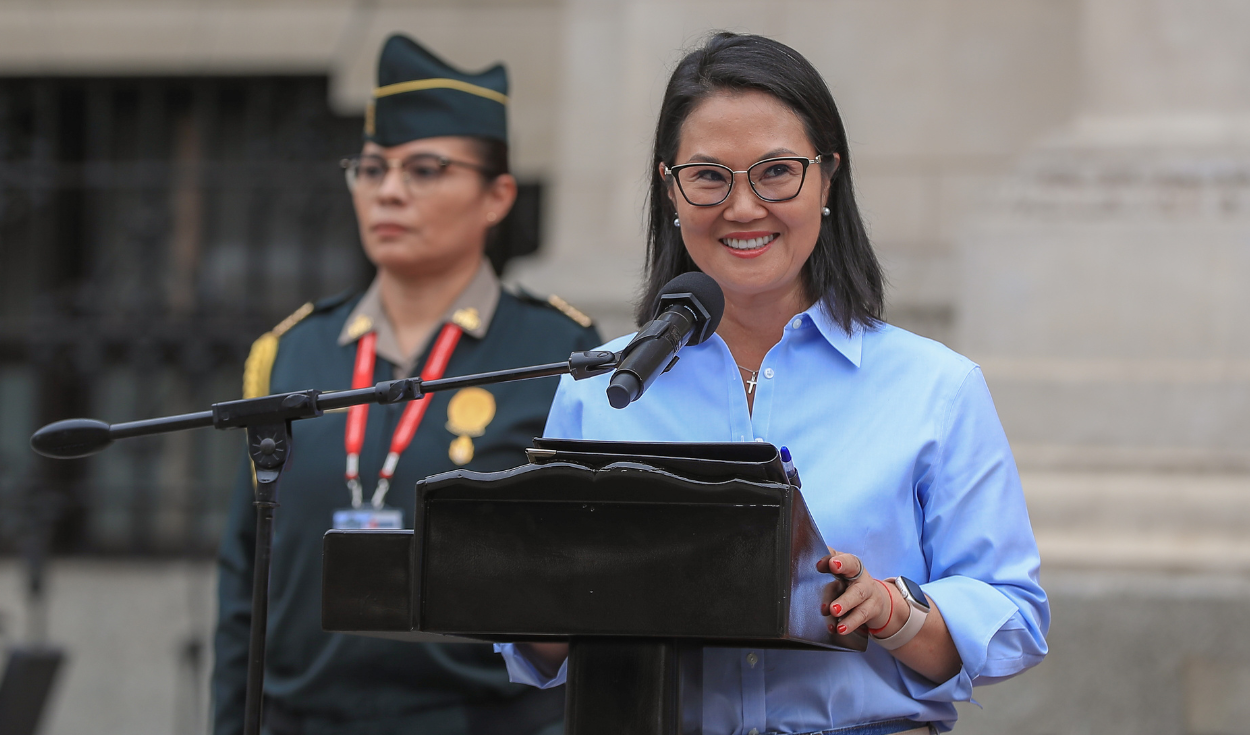
Peruvian President Keiko Fujimori has delayed her promise to double payments for the Pensión 65 social assistance program until 2027, asking her economy minister to deliver results starting next year.
Addressing the Minister of Economy and Finance on Wednesday, Fujimori stated that her administration had inherited terrible statistical figures, but predicted that improvements would begin to show from next year. The statement marks a change in timeline from her pledge one month earlier, when she offered the increase without setting conditions or deadlines.
During her first Message to the Nation before Congress on July 28, Fujimori had announced that the government would begin by doubling the Pensión 65 stipend from 350 soles bimonthly to 700 soles bimonthly for elderly citizens in extreme poverty. At the time, she said the government would start the increase without mentioning fiscal limitations or prospective delays.
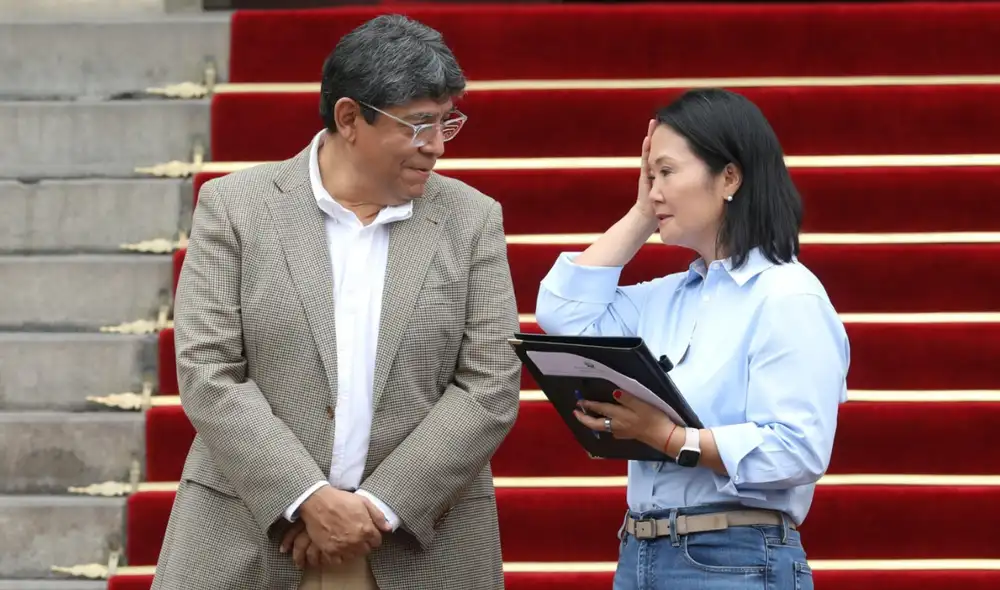
The president had presented the doubling of payments as the initial step toward establishing a universal pension for impoverished older adults. She also announced the deployment of mobile enrollment teams across rural, Amazonian, high-Andean, and border regions to register eligible citizens as part of the strategy.
Background on Peru's Pensión 65 Program
Pensión 65 is a social assistance program in Peru established to provide financial support to elderly citizens living in extreme poverty who lack formal pension coverage. Managed under the Ministry of Development and Social Inclusion in coordination with the Ministry of Economy and Finance, the program delivers direct cash stipends to vulnerable seniors across the country.
In her latest remarks on August 26, Fujimori offered an additional promise of a guaranteed, fairer, and more humane pension system with easier access. However, she did not specify timelines or financing sources for the proposal, repeating the lack of concrete technical details from her July announcement.
Economic Analysis and Impact on Elderly Citizens
Noelia Bernal, an economics professor at the Universidad del Pacífico in Lima, warned that delaying the increase carries a human toll beyond fiscal accounting. Asked about the urgency of the measure, Bernal stated that the benefit is most urgent for senior citizens of advanced age, noting that each year of delay is one less year of life for them to receive better support.
Bernal also identified a second urgent group missing from the presidential announcements: elderly people in extreme poverty who are not yet registered for Pensión 65. She said officials must actively search for these un-enrolled seniors, adding that expanding the census has not been listed among the priorities outlined by Fujimori.
Ultimately, decisions regarding when and how to implement the subsidy expansion rest with the Ministry of Economy and Finance, which must evaluate new spending alongside all other public expenses. Bernal explained that the final determination depends on the ministry assessing how the increased cost affects national accounts.
This fiscal evaluation matches Fujimori's statements on Wednesday, when she conditioned the pension improvements on the future performance of the economy minister. The president offered no concrete date or specific financial targets required to fulfill her original promise.