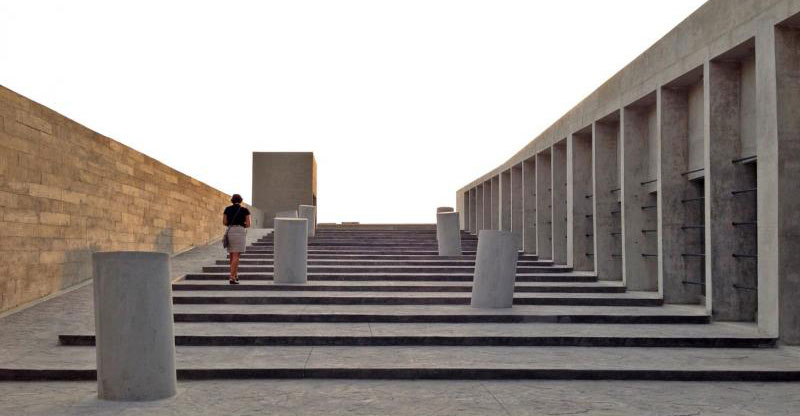
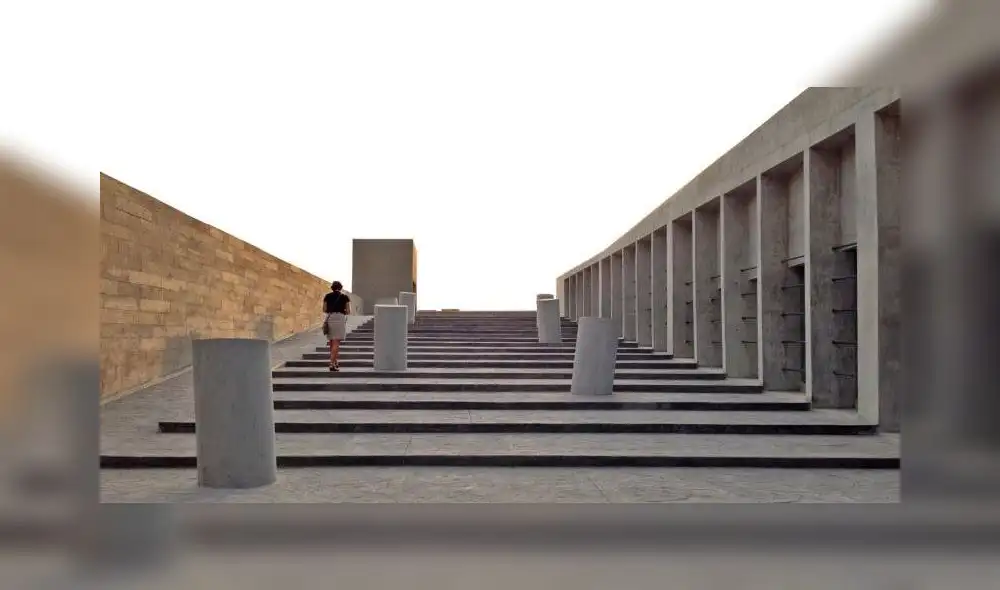
Peru's Place of Memory, Tolerance and Social Inclusion, known as the LUM, has become the center of intense public debate after Culture Minister Alberto Beingolea declared the institution a point of permanent disunion among citizens.
Beingolea initially stated that he was not going to close the facility, which falls under the administration of the Ministry of Culture, but later indicated that the museum serves as a point of disunion and permanent confrontation between Peruvians.
The renewed debate comes as Fujimorismo holds political power, reinforcing arguments from sectors of society that view the institution as an uncomfortable entity and claim it offers a biased narrative of the internal armed conflict that took place from 1980 to 2000.
Debate over administration and narrative
Critics of the museum argue that the venue is unrepresentative of the entire country and fails to present the full history of the internal war. Opposing groups have increasingly demanded that the administration of the museum be removed from the Ministry of Culture and transferred to the Ministry of Justice.
Supporters of the institution maintain that these demands stem from misinformation. Defenders emphasize that the disposition of the museum's exhibition rooms leaves very clear who were the primary figures responsible for the deaths of thousands of Peruvians during the conflict.
Advocates also point to Hatun Willakuy, the summary edition of the report compiled by the Truth and Reconciliation Commission, noting that the document clearly details the responsibilities of the internal war. They argue that Beingolea and fellow officials should be familiar with the findings published in that record.
The Truth and Reconciliation Commission, known in Peru as the CVR, was established to examine human rights violations, casualties, and state responses during the internal war between 1980 and 2000. Its summary volume, Hatun Willakuy, a Quechua phrase meaning great report, was produced to make the commission's extensive findings accessible to the general public.
The Ministry of Justice and Human Rights is the cabinet level department responsible for legal affairs and state legal defense in Peru, while the Ministry of Culture oversees national heritage sites, public museums, and cultural policy across the nation.
International context of memory museums
Defenders emphasize that the LUM is not the only memory museum in the world. Such spaces exist to ensure that societies do not forget the consequences of armed conflicts, dictatorships, and human rights violations.
Supporters note that visitors do not attend memory museums for aesthetic experiences, but rather to reflect on past events and question why those atrocities occurred in the first place.
Similar memory institutions dedicated to historical reflection operate in countries across the globe, including Argentina, Chile, Mexico, Uruguay, Paraguay, Japan, Israel, and South Africa.
Across Latin America and internationally, post conflict memory spaces serve as public educational institutions designed to document political repression, honor victims, and promote civic understanding. These facilities gather archives and host educational exhibits to prevent future civil strife.
The construction of the LUM was funded through international cooperation and financial aid from foreign partners. The project received donations from the governments of Germany, Sweden, and the European Union, with Germany contributing two million euros toward its establishment.
The European Union, along with European donor nations such as Germany and Sweden, frequently provides bilateral development aid and international grants to support human rights initiatives and historical preservation projects worldwide.
Dignifying victims across all sectors
Advocates stress that memory museums also seek to dignify victims of historical violence. Because Peru suffered casualties across all sectors of society during the internal war, defenders argue that preserving the core essence of the LUM remains essential.
Fujimorismo, the political movement aligned with former president Alberto Fujimori, holds significant influence in contemporary Peruvian governance. The faction has long expressed skepticism toward post conflict memory projects and official reports detailing the internal war of 1980 to 2000.