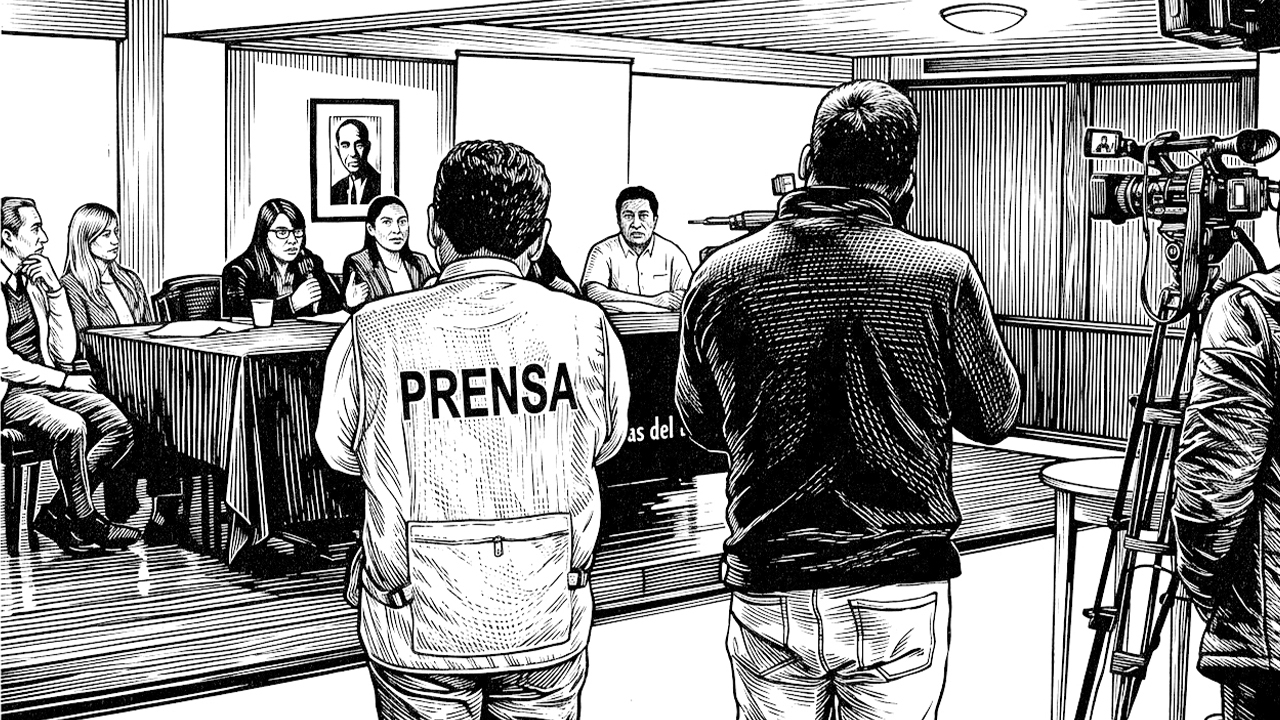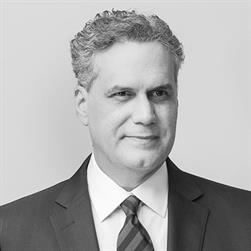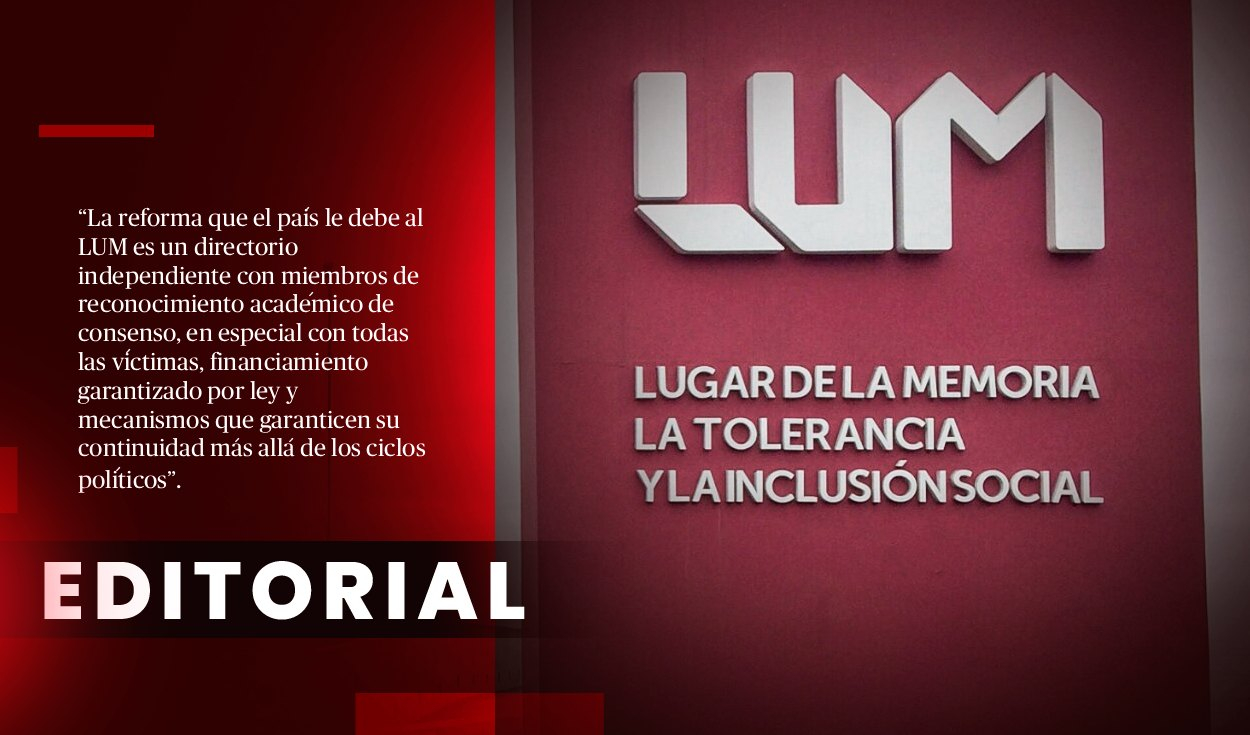
Peruvian Justice Minister Ernesto Álvarez has proposed transferring the Lugar de la Memoria human rights museum from the Ministry of Culture to his ministry.
Álvarez, who previously served as prime minister under President José Jerí, put forward the initiative this week to place the institution under the direct oversight of the Justice Ministry.
The proposed transfer has drawn criticism over concerns that placing the memory site under government control undermines its independence. Currently, the museum relies on the executive branch through the Ministry of Culture, leaving it vulnerable to political shifts. Critics argue that allowing the state to supervise its own historical record compromises the core function of memory sites, which exists to hold power accountable through academic rigor and historical truth.
Proposed Reforms for Independence
Rather than shifting ministerial control, reform advocates state that Peru owes the museum a fully independent board of directors. Such a board would comprise consensus academic figures and representatives of all victim groups, backed by legally protected funding to insulate the institution from political cycles.
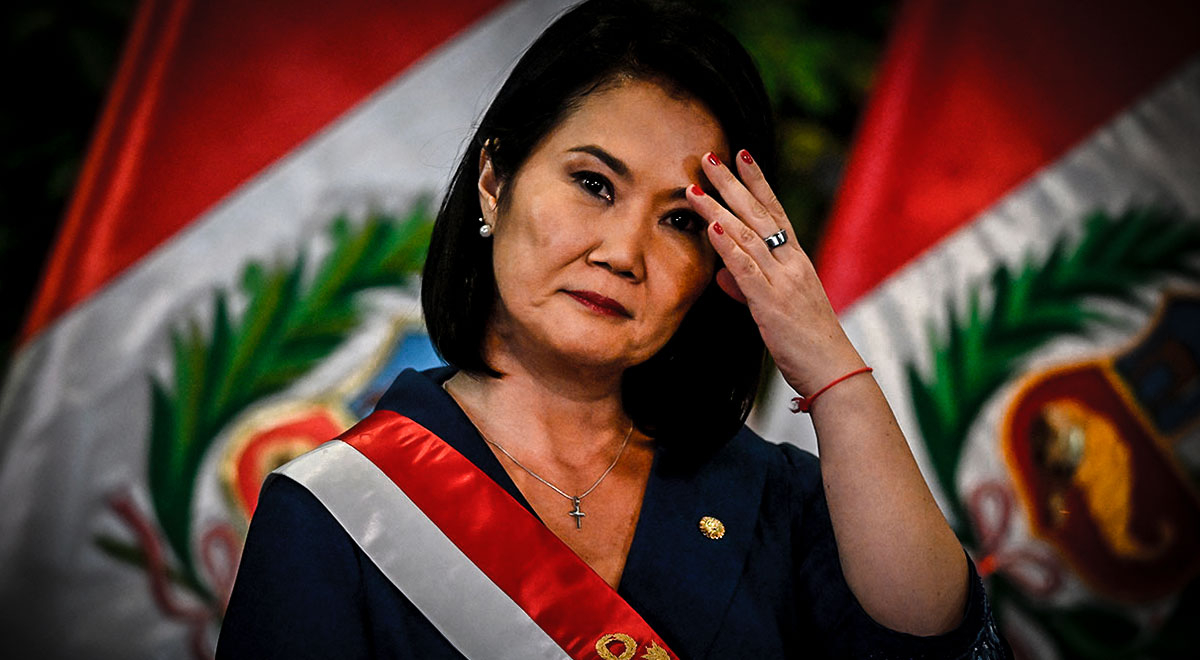
The initiative has reignited debates surrounding Fujimorism, the political movement linked to former President Alberto Fujimori. In 2002, Fujimori refused to meet Salomón Lerner, then president of Peru's Truth and Reconciliation Commission, when Lerner sought an interview for the official investigation into state abuses.
That refusal contrasted with former military dictator Francisco Morales Bermúdez, who agreed to participate in the commission's process despite serious human rights violations occurring during his rule. Lerner documented in 2024 that Fujimorist political figures instead constructed a parallel history that concealed state crimes committed during the conflict.
Ongoing Truth and Reconciliation Process
In a recent interview, Lerner reiterated that the commission's final report was never intended as a definitive endpoint, but rather as a foundation for ongoing historical inquiry. Twenty-three years after the publication of the report, the truth and reconciliation process remains active and necessary for Peruvian society.
Observers note that Fujimorist political leaders now have an opportunity to engage with the official truth process. Supporters of the museum emphasize that such engagement must begin by respecting the autonomy of the institution dedicated to preserving public memory.