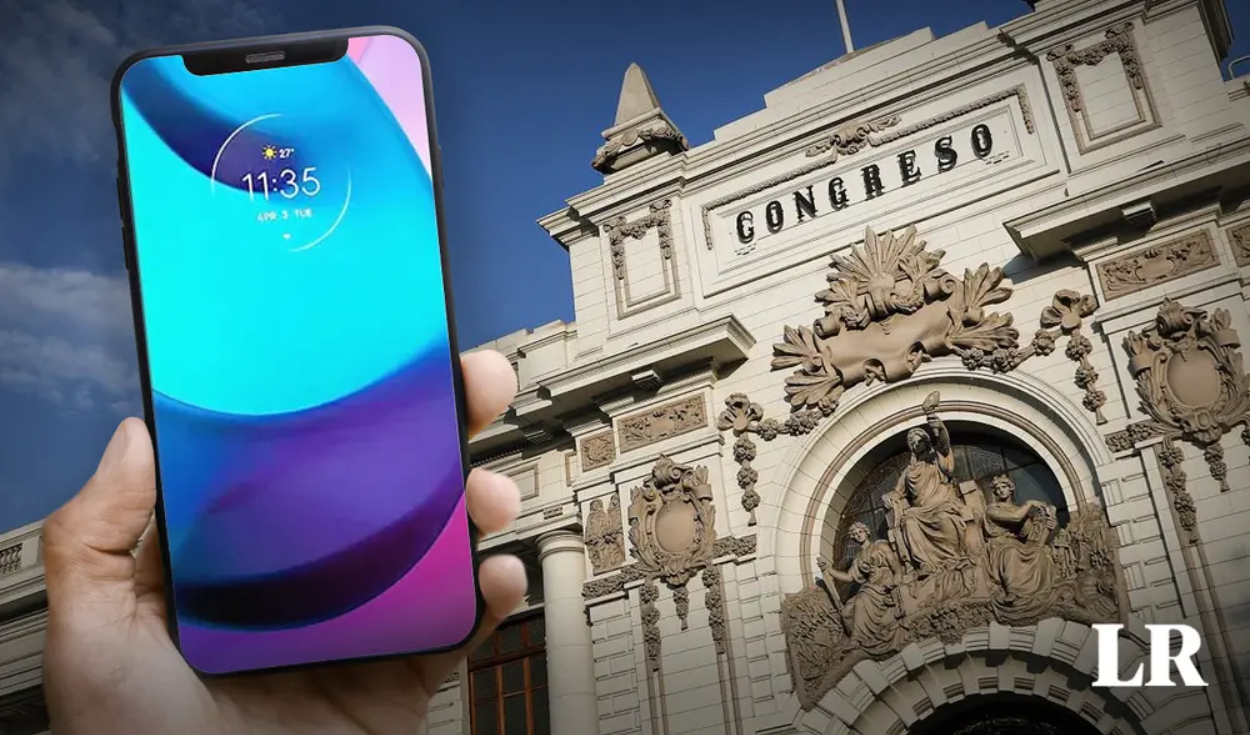
The Congress of Peru has paid 219,000 soles to telecommunications provider Claro to rent 190 mobile phones for lawmakers to attend sessions and vote remotely.
According to information confirmed by newspaper La República, the contract covers 190 mobile lines for a two-year period. Deputies and senators have already received the handheld devices and are actively using them for Plenary proceedings.
Technical specifications outlined in the bidding terms required the rented mobile phones to feature 4G network technology, 6GB of RAM, and 64GB of internal storage. The devices were assigned to ensure members of parliament can record attendance and participate in votes when working outside the chamber.
Proposed mandate for in-person parliamentary attendance
The device rollout coincides with a legislative initiative submitted by Deputy Indira Huilca of the Ahora Nación party, who requested a formal return to in-person parliamentary work. Her bill seeks to amend the regulations of Congress and the Chamber of Deputies to establish physical presence as the standard requirement for lawmakers.
Under Huilca's proposed reform, senators and deputies must attend sessions of the Plenary, the Permanent Commission, and their designated working committees in person. Virtual attendance would be limited to exceptional, objectively justified cases, specifically when lawmakers are granted leave for official travel outside Lima or abroad, or are absent due to illness.
Huilca stated that the primary goal of the measure was to end the practice of empty seats and ghost voting during parliamentary debates. She noted that remote voting practices had damaged the institution's public image before Peruvian citizens in recent years.
Political support and division within Congress
The proposed requirement for mandatory physical attendance has gained support from lawmakers representing the Juntos por el Perú, Buen Gobierno, and Obras political groups. However, members of the ruling political alignment remain divided on whether to restrict remote legislative participation.
Within officialist ranks, representative Miguel Torres stated that he does not support the initiative to mandate physical attendance. Conversely, fellow ruling party lawmaker Aguinaga expressed support for returning to mandatory in-person parliamentary sessions.
The Congress of Peru operates as the national legislature in the capital city of Lima, responsible for passing laws and overseeing public administration. Telecommunications company Claro is one of Peru's primary mobile service providers, operating nationwide wireless networks across the country's departments.