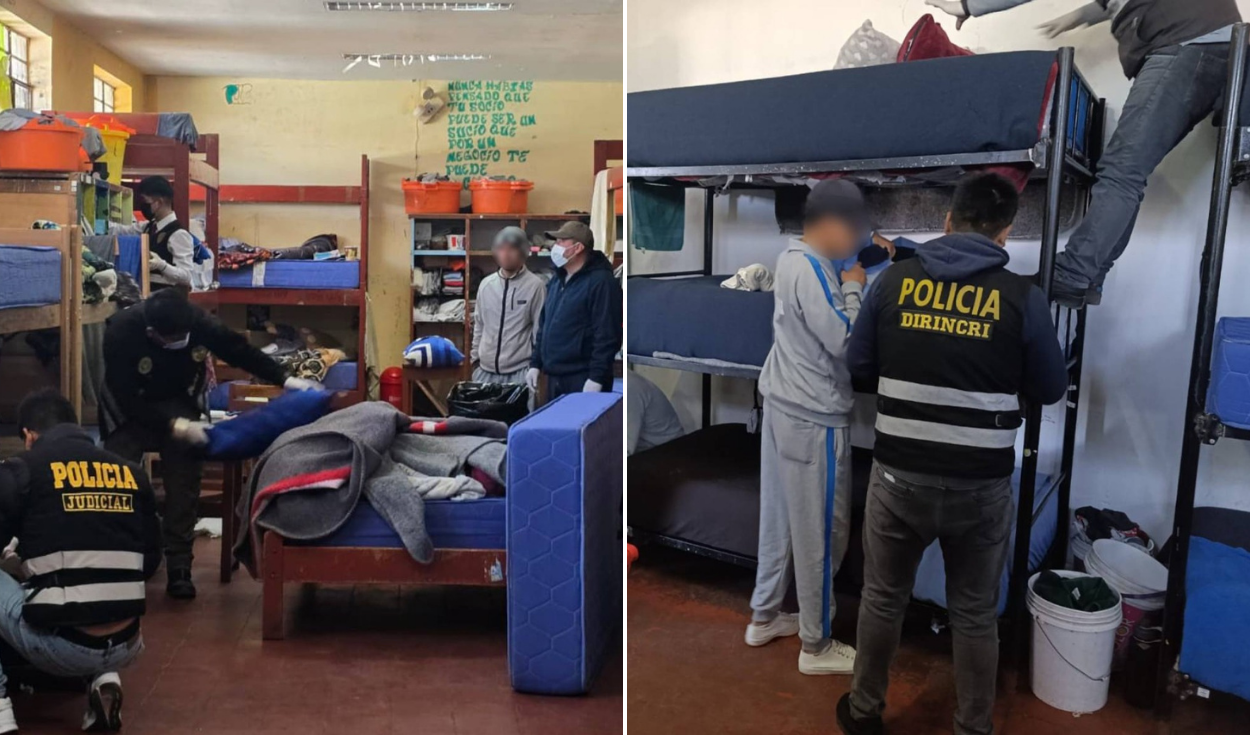
More than 250 officers from Peru's National Program of Juvenile Centers, the National Police, and the Public Prosecutor's Office raided eight juvenile facilities across the country during the early hours of the morning to confiscate prohibited items.
The simultaneous inspections targeted juvenile centers in Lima, Piura, Chiclayo, Arequipa, Pucallpa, Cusco, and Huancayo. Search teams examined bedrooms, courtyards, and common spaces to locate materials that could compromise internal security or impede the resocialization of interned adolescents.
Seized tools and prohibited materials
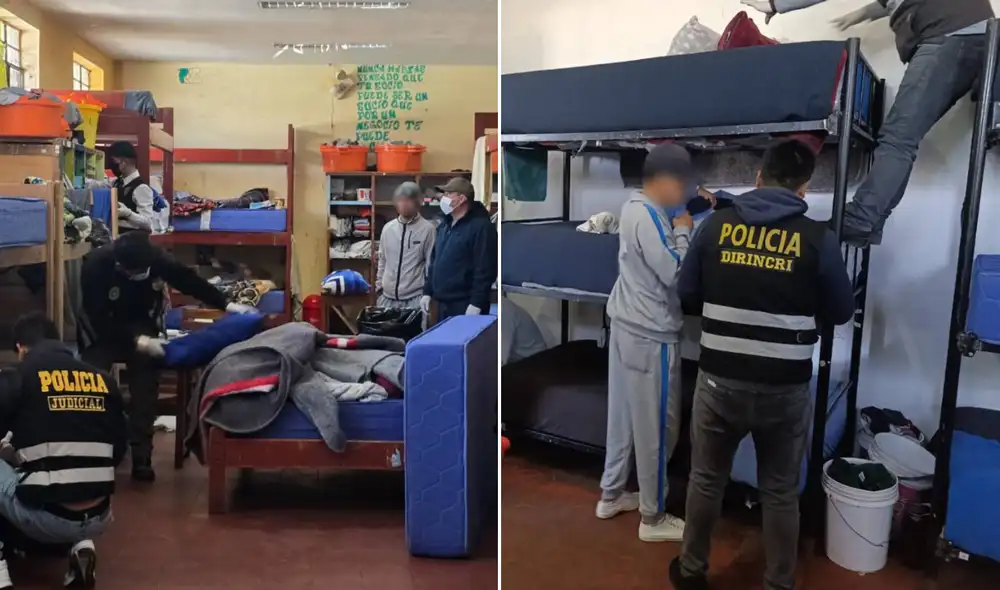
During the sweeps, officers identified and confiscated a wide range of restricted tools and contraband items. The seized material included wooden sticks, iron fragments, scissors, pieces of wood, ceramic tiles, electrical plugs, handmade ropes, unauthorized clothing, screws, liquid silicone, and a scroll saw.
All items were registered by search teams and subsequently handed over to the appropriate legal authorities. The operation also received logistical support from the Canine Police Unit and the General Fire Department.
Luis Vega, the executive director of the National Program of Juvenile Centers, personally supervised the inspection at the Santa Margarita Juvenile Center. He said the agency has conducted more than 1,000 security interventions during the year with the backing of the Public Prosecutor's Office and the National Police.
Vega explained that the operations aim to prevent restricted materials from entering or remaining inside juvenile centers. He noted that some of the objects could be used as weapons, posing a direct threat to both interned youth and facility staff.
Drop in contraband since 2025
Control figures released by authorities indicate a noticeable reduction in the discovery of certain prohibited items compared to 2025. Seizures of mobile phones fell by 45.6 percent, while phone accessories dropped by 64.8 percent and sharp weapons decreased by 72.7 percent.
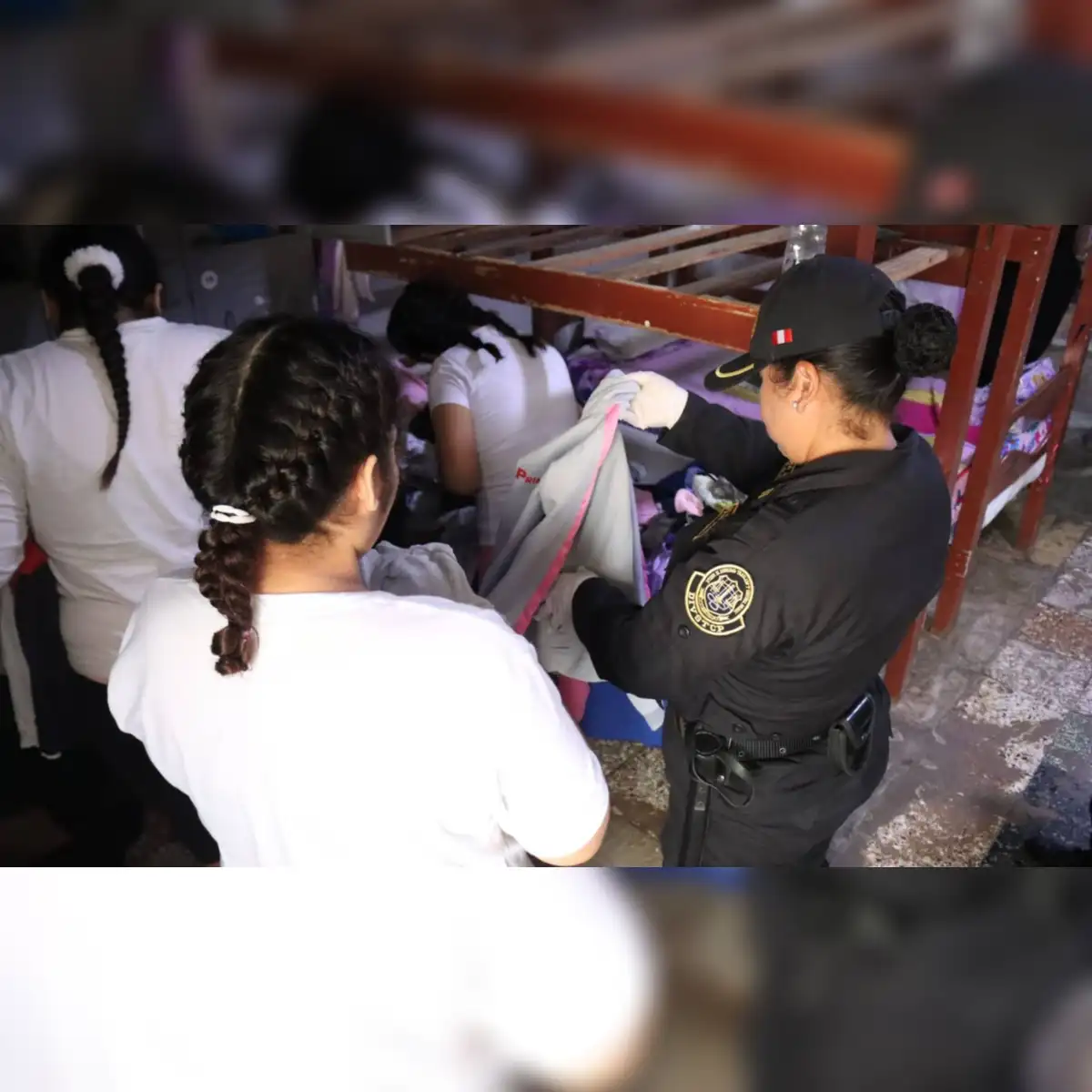
Security specialists noted that the nature of contraband found in facilities varies by the gender of the population. In male juvenile centers, searches primarily uncover sharp weapons, mobile phones, phone accessories, and illicit substances. In contrast, interventions at the female juvenile facility mainly identify unapproved pills, clothing, and unauthorized medications.
The National Program of Juvenile Centers operates under Peru's Ministry of Justice and Human Rights to manage state youth detention facilities and coordinate resocialization efforts for young offenders. The agency stated that routine security sweeps will remain permanent as facilities navigate an increasing number of adolescents in conflict with criminal law and ongoing pressure on housing capacity.