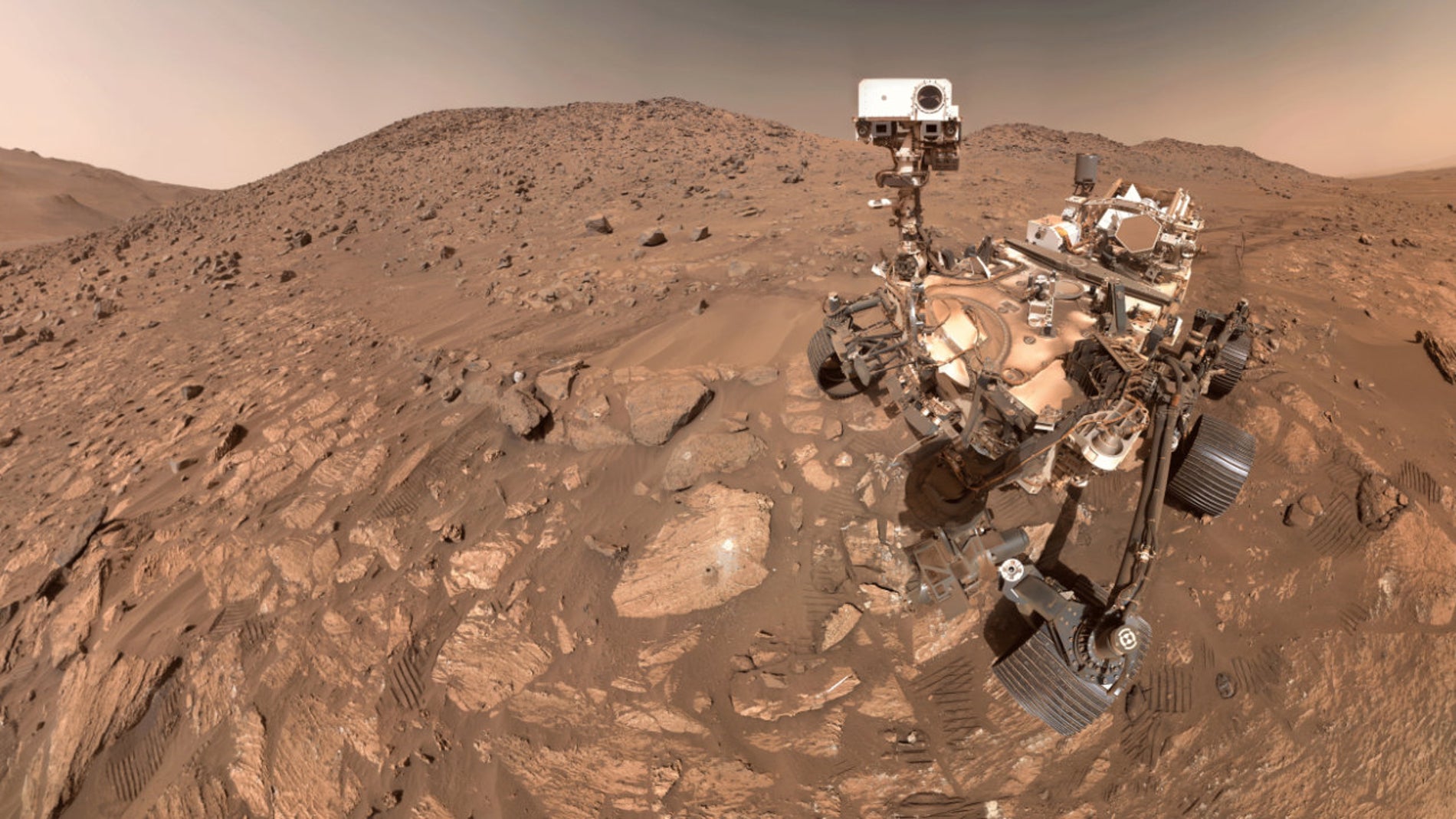
NASA's Perseverance rover has confirmed the presence of organic carbon in rock from the Bright Angel formation inside Mars's Jezero Crater, according to a study published in the journal Science Advances. The research provides a clearer picture of a possible biosignature first detected last year in a rock nicknamed Cheyava Falls.
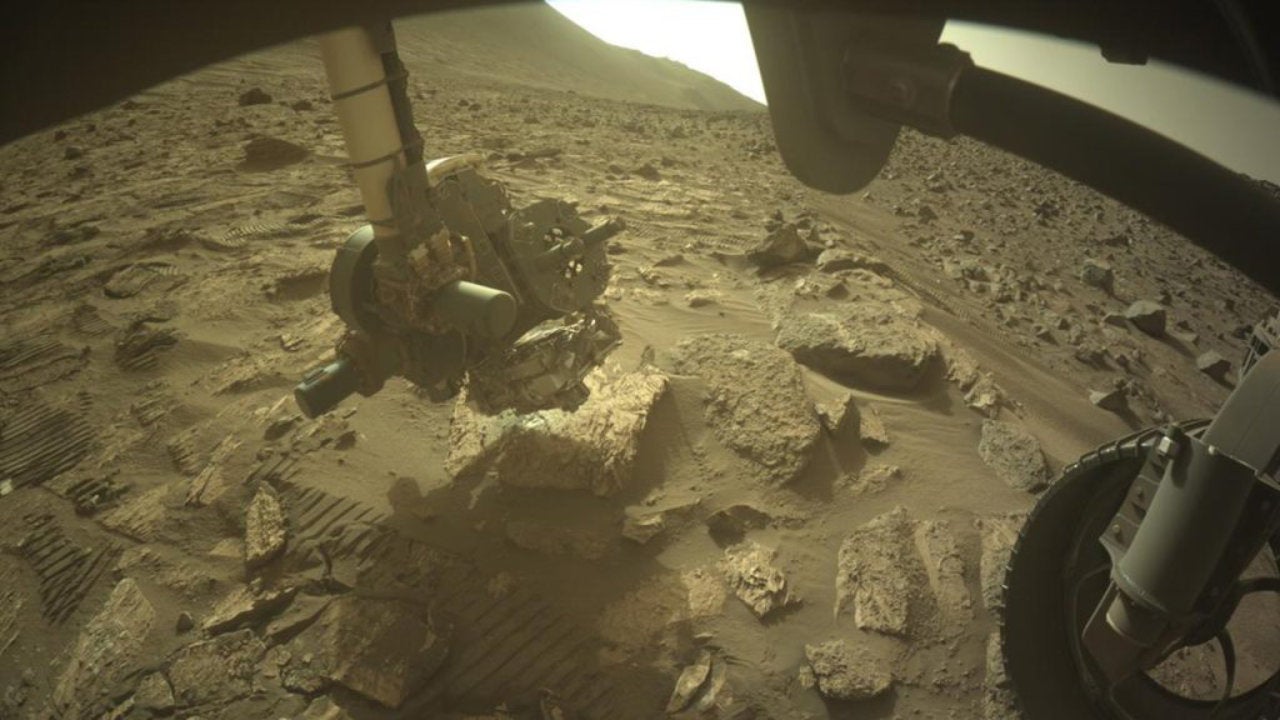
The material identified is macromolecular carbon, meaning large interlinked networks of carbon atoms that are common in both meteorites and rocks on Earth. A team led by Ashley Murphy and Kyle Uckert detected it without damaging the sample using the SHERLOC instrument, which fires a laser at rock and analyzes the response through Raman spectroscopy. The finding does not demonstrate ancient life, the researchers said, though it is an important piece for biology since geology alone can produce this type of carbon without any organism involved.
Molecules that survived radiation
Billions of years ago, Jezero was a basin where rivers carrying fine sediment emptied, the same sediment that compacted over time into the shale layers the rover now scans. The macromolecular carbon is trapped not only in those original sediments but also in sulfate and carbonate minerals that formed later through the action of water, suggesting organic matter arrived or was preserved there in several phases throughout the planet's history.
What has most surprised scientists is how close the material was to the surface, just a few micrometers deep, a layer thinner than a sheet of paper. This is unusual because Mars's surface is a harsh environment for organic chemistry, where radiation and oxidizing agents tend to destroy complex molecules relatively easily. Researchers said the carbon's survival so close to the exposed surface means either that it is an unusually resistant material or that minerals such as clays and iron-rich dust acted as a protective shield.
A wider pattern across Mars
The discovery gains added significance when mapped against other Mars findings. Jezero Crater sits more than 3,000 kilometers from Gale Crater, where the Curiosity rover had already found organic compounds years earlier. Researchers said this shows the organic material was not an isolated case but was fairly widespread across Mars's ancient river systems.
Perseverance does not carry a laboratory complete enough to determine whether the carbon points to fossils or microbes. Confirming the answer, researchers said, will require bringing the samples back to Earth to be analyzed in a laboratory equipped for that purpose.