Spanish Prime Minister Pedro Sánchez will appear before the Spanish Congress on September 3 to report on the border crisis in Ceuta after facing intense political criticism over his response to the events.
Sánchez agreed to testify 35 days after the incident occurred, abandoning initial plans to delay his parliamentary appearance until September 9 following widespread public controversy.
The Prime Minister spent 23 days at the La Mareta official estate in Lanzarote on summer vacation while residents in Ceuta faced a dramatic situation. Sánchez had originally planned to travel directly from Lanzarote to Andorra to extend his holiday without visiting Ceuta, but public embarrassment forced him to cancel the trip.
Defense Minister Questions Official Version
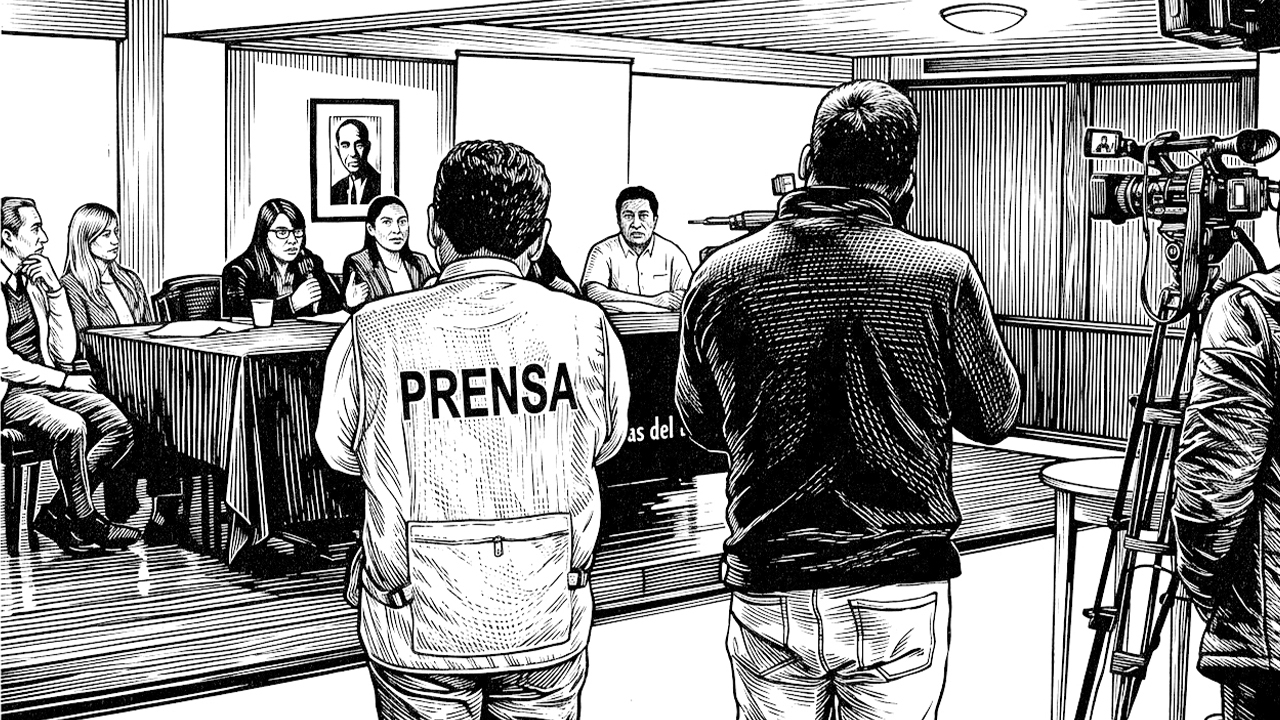
Recent developments following meetings of the National Security Council and the Council of Ministers have heightened political pressure on the government. Several ministers have already testified before their respective parliamentary committees, leading to sharp debate over the executive handling of the crisis.
Defense Minister Margarita Robles created a significant rift within the ruling progressive coalition after questioning the government official account of what occurred on July 30. Testifying in parliament, Robles stated that the Centro Nacional de Inteligencia had alerted both the government and state security forces several days prior to the events at El Tarajal in Ceuta.
The Centro Nacional de Inteligencia is Spain's primary intelligence agency and operates under the Ministry of Defense. El Tarajal serves as the principal border crossing point between Spain and Morocco in North Africa.
Social Media Mobilization and Mass Entries
According to intelligence assessments cited during parliamentary hearings, organizers used social media networks to coordinate tens of thousands of people for a movement across the border fence. Spanish authorities estimated that 80,000 illegal migrants entered Spain during the breach, violating Spanish territorial integrity.
Ceuta and Melilla are Spanish autonomous cities located on the North African coast bordering Morocco. The Alawite kingdom of Morocco has repeatedly asserted territorial claims over both cities, maintaining that they are usurped territories.
On August 1, Sánchez publicly thanked Morocco for its cooperation in rapidly restoring normality in Ceuta. Following that statement, the Prime Minister remained away from official duties to pursue hobbies at sea.
Political Commentary and Pegasus Allegations
Writing in a published column on August 27, former Interior Minister Jorge Fernández Díaz sharply criticized the Prime Minister's political conduct, describing the governing progressive coalition as an oxymoron if it claims to be a dignified institution.
Fernández Díaz highlighted two significant hypotheses regarding the crisis. The first suggests that Moroccan authorities may be utilizing personal information obtained through Pegasus spyware against the Spanish government. Pegasus is a sophisticated mobile surveillance tool developed for intelligence operations.
The second hypothesis cited by Fernández Díaz claims that a foundation linked to George Soros was involved in organizing the mass border crossing. In both scenarios, Fernández Díaz argued that Sánchez remains the central figure while Spain has become the victim.
Parliamentary Proceedings Ahead
Ministers will continue appearing before parliamentary commissions in the coming days ahead of the plenary session. Congress will gather on September 3, where lawmakers plan to question Sánchez on his decision-making, the early warnings provided by intelligence services, and Spain's ongoing diplomatic posture toward Morocco.