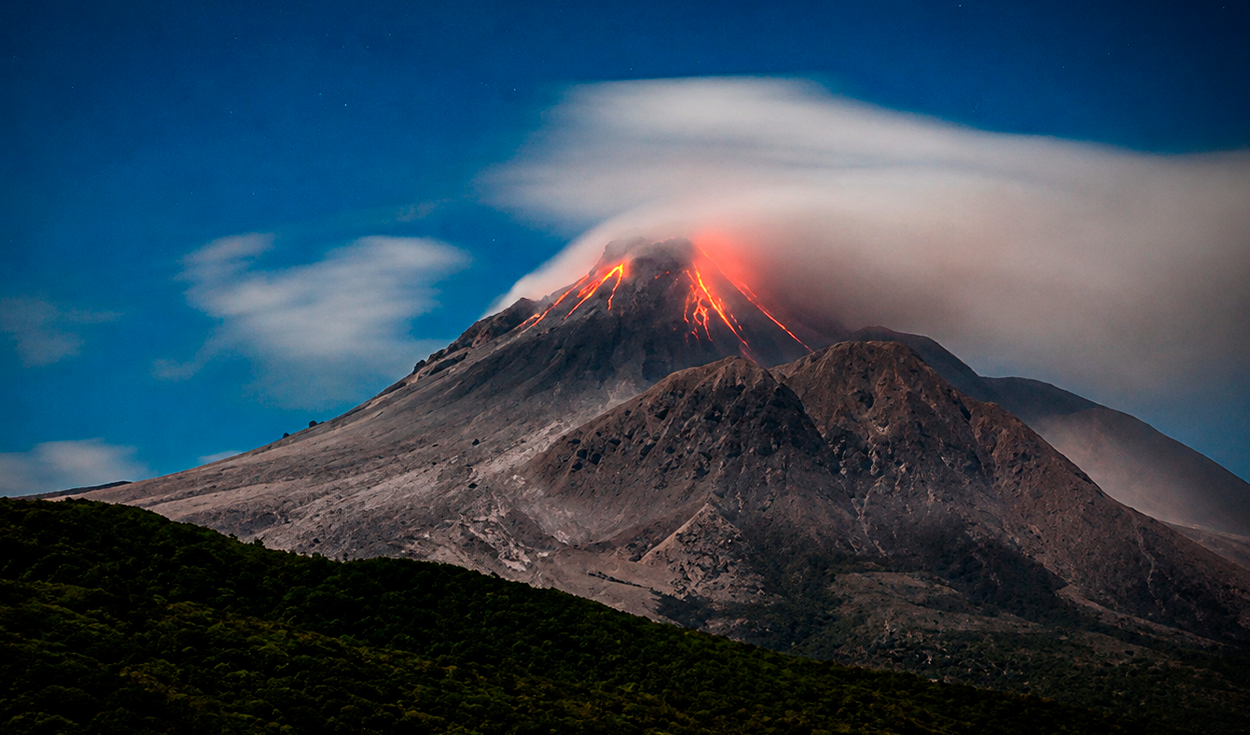
Oxford University researchers have identified a potential metal-rich liquid reserve situated nearly two kilometres beneath the active Soufrière Hills volcano on the Caribbean island of Montserrat.
The academic team described the hot, liquid concentrate deep underground as a metal soup containing essential elements needed to manufacture wind turbines, solar panels, and electric vehicles.
Published in the scientific journal Geophysical Research Letters, the research examined the active volcanic system without using drilling. The Soufrière Hills volcano has remained in an eruptive pause since February 2010.
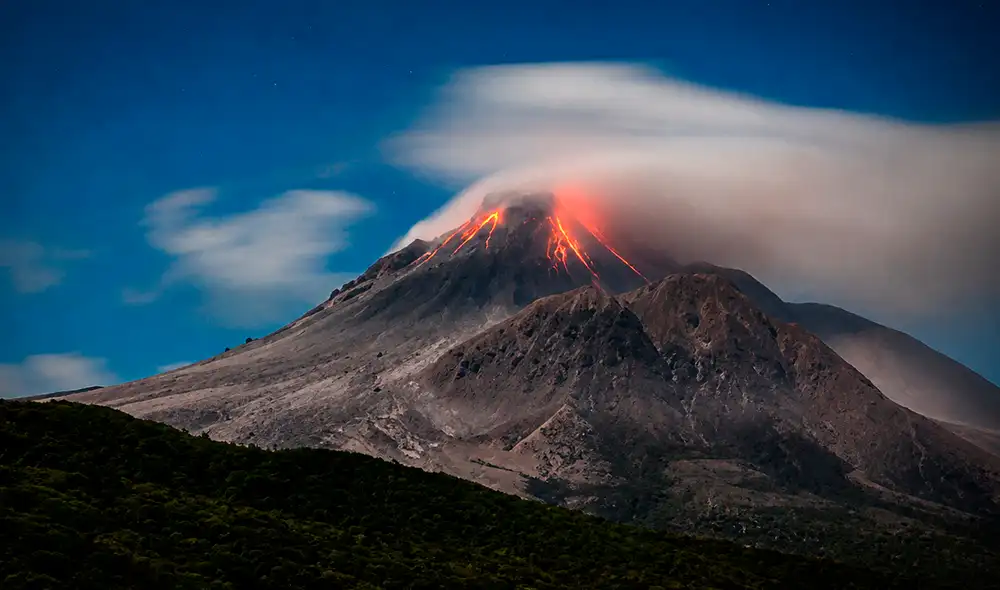
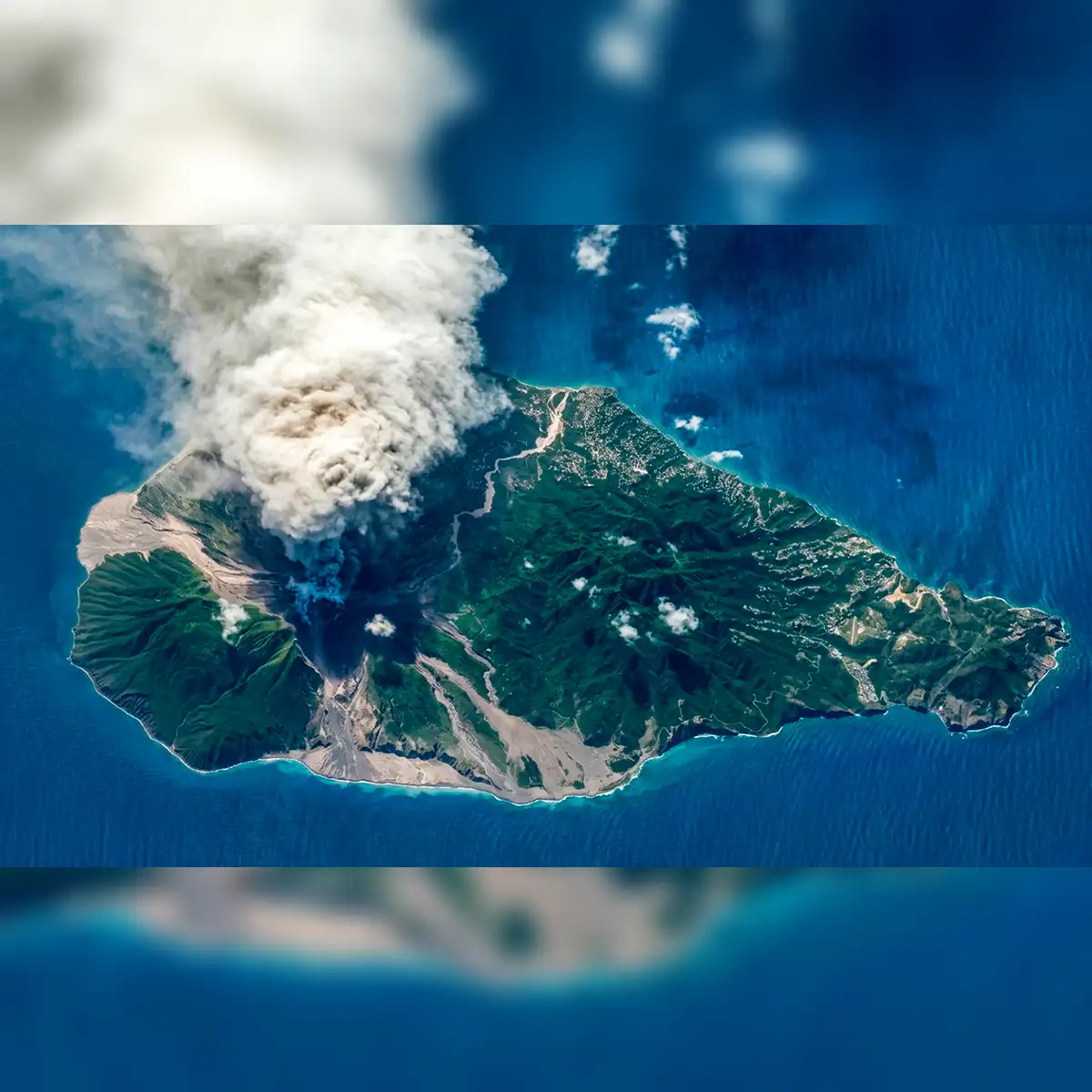
Montserrat is a mountainous British Overseas Territory located in the Caribbean Sea. The island experienced massive volcanic disruptions during the late 1990s, when eruptions destroyed the capital city of Plymouth and forced widespread evacuations. Oxford University, based in England, is one of the world's leading research institutions in earth sciences and geology.
The discovery opens potential new avenues for future sustainable mining. Geologists view magmatic systems as vital targets for the global energy transition because traditional terrestrial mines face increasing supply pressures and environmental challenges.
Seismic imaging of the underground formation
To locate the subsurface deposit, the scientific team analysed thousands of P-wave and S-wave records collected between 1996 and 2007 by Montserrat's local monitoring network.
Using this technical dataset, specialists constructed a three-dimensional tomography that operated like an X-ray of the island's interior. The digital model mapped precise velocity variations as seismic vibrations passed through different underground geological formations.
Seismic tomography relies on recording how earthquake vibrations travel through rock layers. Because seismic waves alter their speed and angle depending on the density, temperature, and fluid content of the material they cross, geologists can construct computer models of hidden structures miles below the surface.
The three-dimensional reconstruction revealed an anomaly situated between 1.8 and 2.5 kilometres below the surface, positioned very close to the volcano's main eruptive conduit. The formation measures approximately one kilometre along one axis and 1.5 kilometres along its north-south axis.
According to the study in Geophysical Research Letters, the specific velocity ratio between the seismic impulses indicates that the target consists of rocks impregnated with water or saline fluids rather than incandescent magma.
Evidence from deep exploratory drilling
The seismic findings are backed by physical liquid remnants retrieved from a depth of 1,485 metres inside an earlier exploratory well on Montserrat.
Laboratory examination of those core samples revealed quartz veins containing salinity levels as high as 56 percent sodium chloride. The samples also contained elevated concentrations of valuable metals, including lead, zinc, and copper.
The study authors concluded that the seismic signal represents a magmatic brine lens potentially rich in critical minerals. However, they clarified that scientists have not yet gathered a direct physical sample from the newly identified deep body itself.
Between 60 percent and 80 percent of the world's metallic ore deposits originate from ancient magmatic-hydrothermal processes. In active volcanic zones, superheated fluids circulating near magma chambers dissolve heavy metals from surrounding rocks, concentrating them into rich subterranean mineral deposits.
Technical challenges and commercial viability
Despite the promising findings, the researchers stressed that the current data does not guarantee an exploitable resource or ensure commercial viability.
To determine whether commercial mining could ever occur, experts must measure the exact salinity, chemical composition, total volume, and metal concentration of the subterranean reservoir. Seismic waves cannot directly measure metal content or prove whether the deep brine lens connects to shallower hydrothermal systems.
To trace the origin and movement of the underground fluids, the academic team recommended conducting further geochemical and electromagnetic surveys across the site.
Definitive verification will eventually require exploratory drilling, which remains a formidable technical challenge due to extreme heat and harsh volcanic conditions. As a preliminary step, researchers plan to evaluate seismic wave dispersion. Writing in Geophysical Research Letters, the authors noted that passive imaging methods could provide adequate resolution to locate such targets, a technique promoted by Oxford University to help mitigate financial and environmental risks in future extraction campaigns.