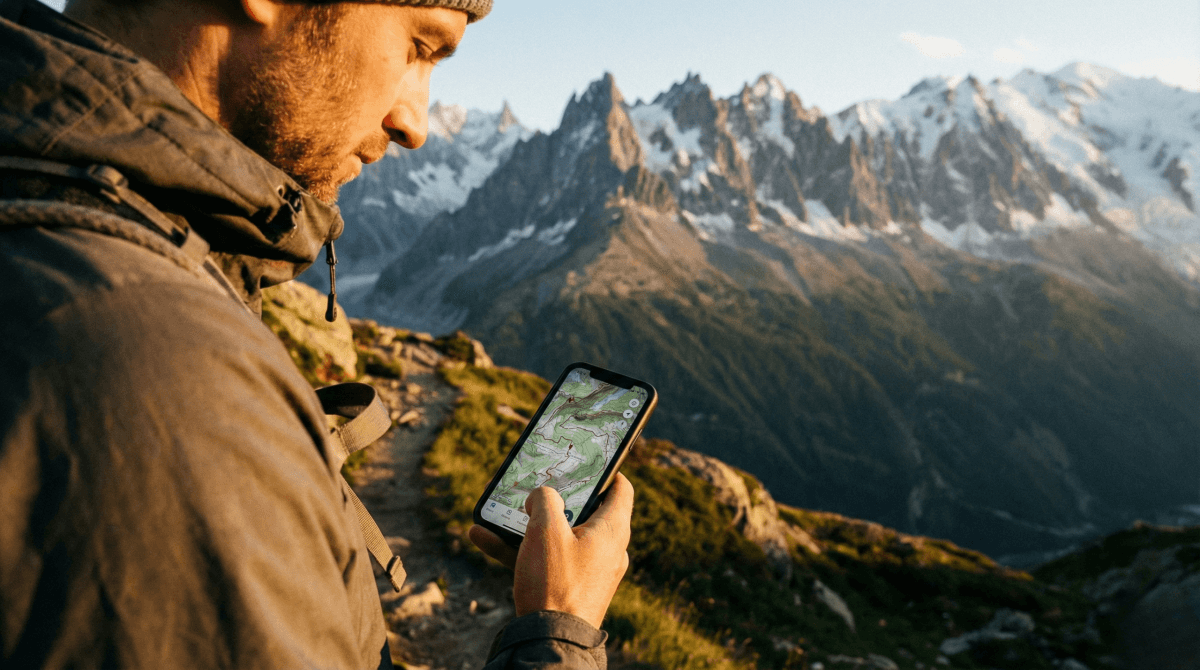
Navigation app Organic Maps has passed six million downloads across Android and iPhone as users seek privacy-focused alternatives to Google Maps, Hungarian news outlet Blikk.hu reported.
The free application provides turn-by-turn navigation, address searches, and route planning without requiring an active internet connection, displaying advertisements, or collecting personal user data.
To navigate offline, drivers and pedestrians download regional map files in advance. Once stored on the device, location searches and voice guidance function without cellular connectivity, helping travelers avoid expensive data roaming fees abroad and navigate areas with weak mobile network coverage.
Origin and privacy architecture
Unlike conventional navigation software that streams location data to remote servers, Organic Maps does not monitor user movement, construct advertising profiles, or display commercial banners. The project operates on open-source code.
Members of the development team previously helped build Maps.me, a popular offline mapping application. After Maps.me was sold to new owners who introduced advertising and monetized features, several original developers departed to create Organic Maps as a non-commercial alternative.
Maps.me was launched in 2011 as MapsWithMe before being acquired by Mail.ru Group in 2014 and later sold to payment provider Parfin in 2020. The commercial shift prompted open-source advocates to fork the project codebase and launch Organic Maps in 2021.
OpenStreetMap integration and outdoor features
Organic Maps relies on OpenStreetMap, a collaborative global mapping database updated by millions of volunteer contributors. Because of this open crowdsourced foundation, the application displays detailed topography that commercial map services often omit.
In addition to standard road networks, the application features specialized trail data for hiking, cycling, and walking. Users can locate mountain passes, forest pathways, natural water springs, and scenic viewpoints that are rarely indexed with equal detail on competing platforms.
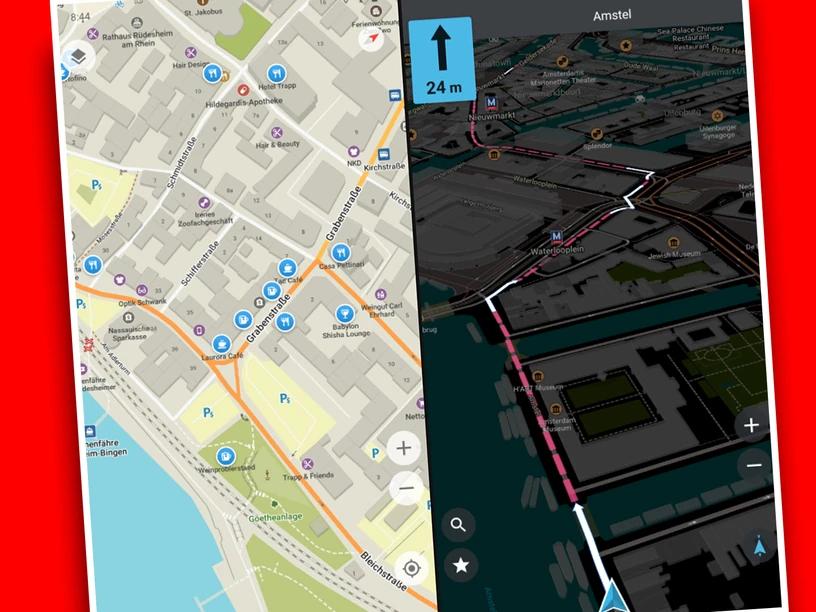
The detailed terrain mapping has made Organic Maps popular among outdoor recreation enthusiasts, hikers, and adventure travelers who require precise trail information away from urban infrastructure.
Battery performance and real-time trade-offs
Because the app does not maintain continuous data streams with cloud servers or download real-time content, it consumes significantly less smartphone battery power than online navigation services. Lower energy consumption is particularly valuable during multi-day hikes or long trips where charging options are limited.
However, the lack of internet connectivity comes with operational drawbacks. Organic Maps does not track live vehicle traffic flow, leaving it unable to alert drivers to traffic jams, accidents, road closures, or sudden traffic delays.
Google Maps and Waze, both operated by Alphabet, rely on real-time smartphone telemetry and crowdsourced incident reports to adjust routes dynamically. While those features make Google Maps and Waze better suited for daily urban commuting, Organic Maps offers a dedicated option for international travel and off-grid exploration.