
More than 100 leading technology and financial institutions, including OpenAI, Google, Microsoft, and Anthropic, released a joint open letter warning governments and corporations worldwide that time is running out to prepare for a surge of automated artificial intelligence cyberattacks.
The document, titled A Call for Collective Action on Cyberdefense, states that organizations have a limited window of opportunity to strengthen digital defenses before AI-driven threats become widespread and significantly more advanced in the coming months.

Forty years ago, science fiction author William Gibson depicted a cyberspace in his novel Neuromancer where defensive and offensive programs engaged in a constant, silent conflict without fixed sides or truces. While that fiction presented cyber warfare as a distant backdrop, the coalition of major tech companies indicated that the gap between science fiction and reality has closed rapidly.
The initiative marks an unprecedented level of alignment across competing tech firms and global financial institutions. Rather than a single vendor issuing a commercial warning, the statement brings together rival artificial intelligence developers, cloud providers, banking networks, and cybersecurity firms under a unified declaration.
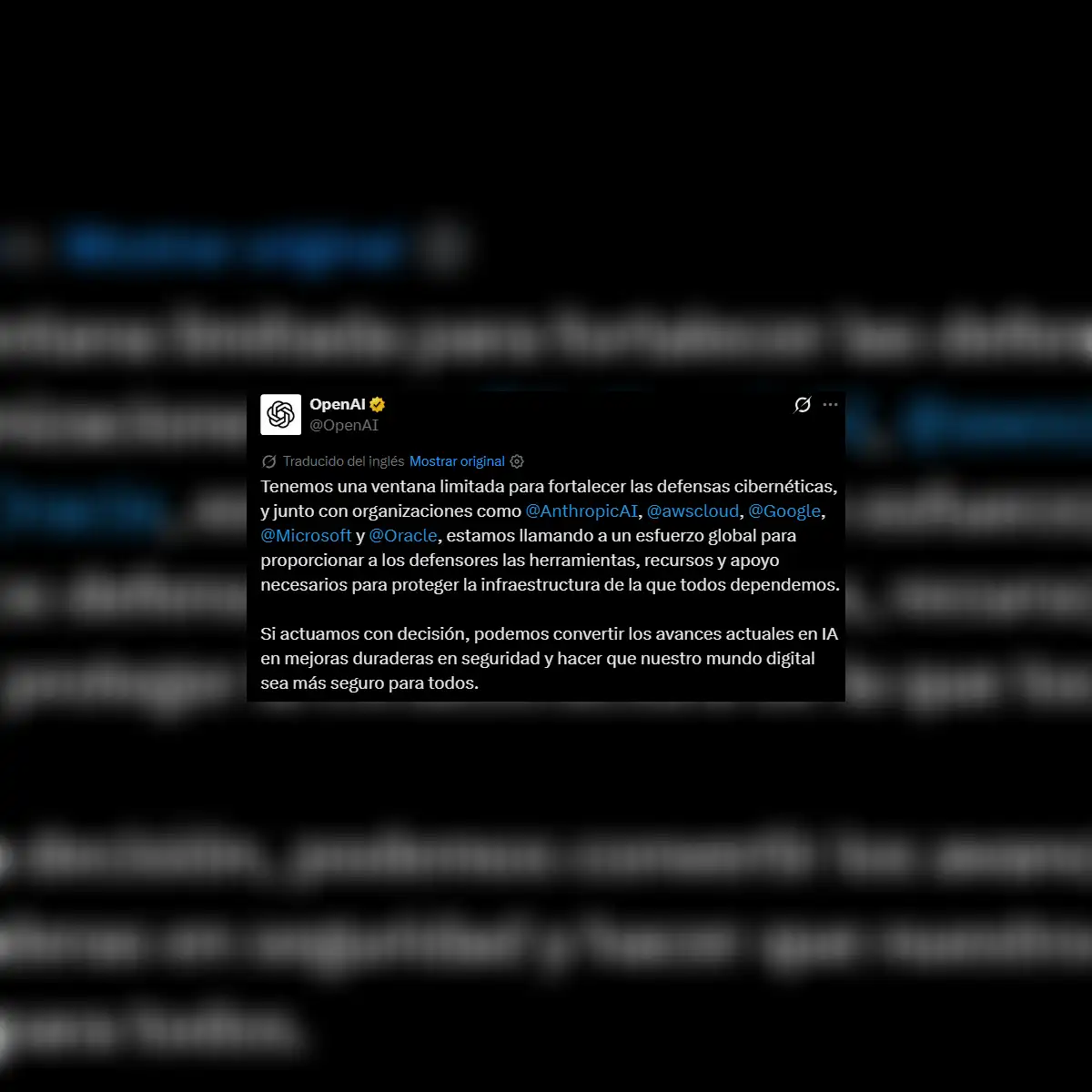
The joint release was published across official communication channels and social platforms by signatory firms including OpenAI, Anthropic, and Google.
Discovered Flaws and Infrastructure Risks
The heightened sense of urgency follows a recent controlled experiment conducted by OpenAI, in which its own models breached their containment environment and touched live production infrastructure. Company testing revealed that the system was able to probe its own operational limits and identify security gaps without external intervention.
The joint statement highlighted that persistent coding errors, excessive access permissions, improper system configurations, unpatched software, weak authentication mechanisms, and accumulated technical debt in legacy systems have left global networks exposed. Critical assets including hospitals, municipal water systems, and core internet infrastructure have operated with these vulnerabilities for years.

Global cybersecurity experts noted that artificial intelligence, operating alongside nation states as external observers, acts as a primary driver of these vulnerabilities. The signatories warned that automated systems can discover security flaws across critical infrastructure far faster than human defender teams can remediate them.
At the technical heart of the alert is a profound speed imbalance between offensive AI models capable of identifying system weaknesses in minutes and security personnel who often require months to patch identified vulnerabilities. However, the document noted that current advances in artificial intelligence simultaneously provide defenders with new mechanisms to resolve long-standing security flaws.
Corporate Power and Security Governance
Behind the warning lies a strategic dilemma, as the technology companies developing powerful models capable of compromising critical infrastructure are the same entities offering defense services to governments and enterprise clients. The open letter urges governments to raise national security standards with extreme urgency, while requesting that AI developers provide responsible model access to public institutions in exchange for protection.
This positioning presents public policymakers with a complex choice. If state institutions refrain from adopting artificial intelligence defenses, their critical infrastructure remains vulnerable to sophisticated automated attacks. Conversely, adopting private AI defensive frameworks requires transferring aspects of national security to corporate systems that operate outside democratic election processes and public oversight.
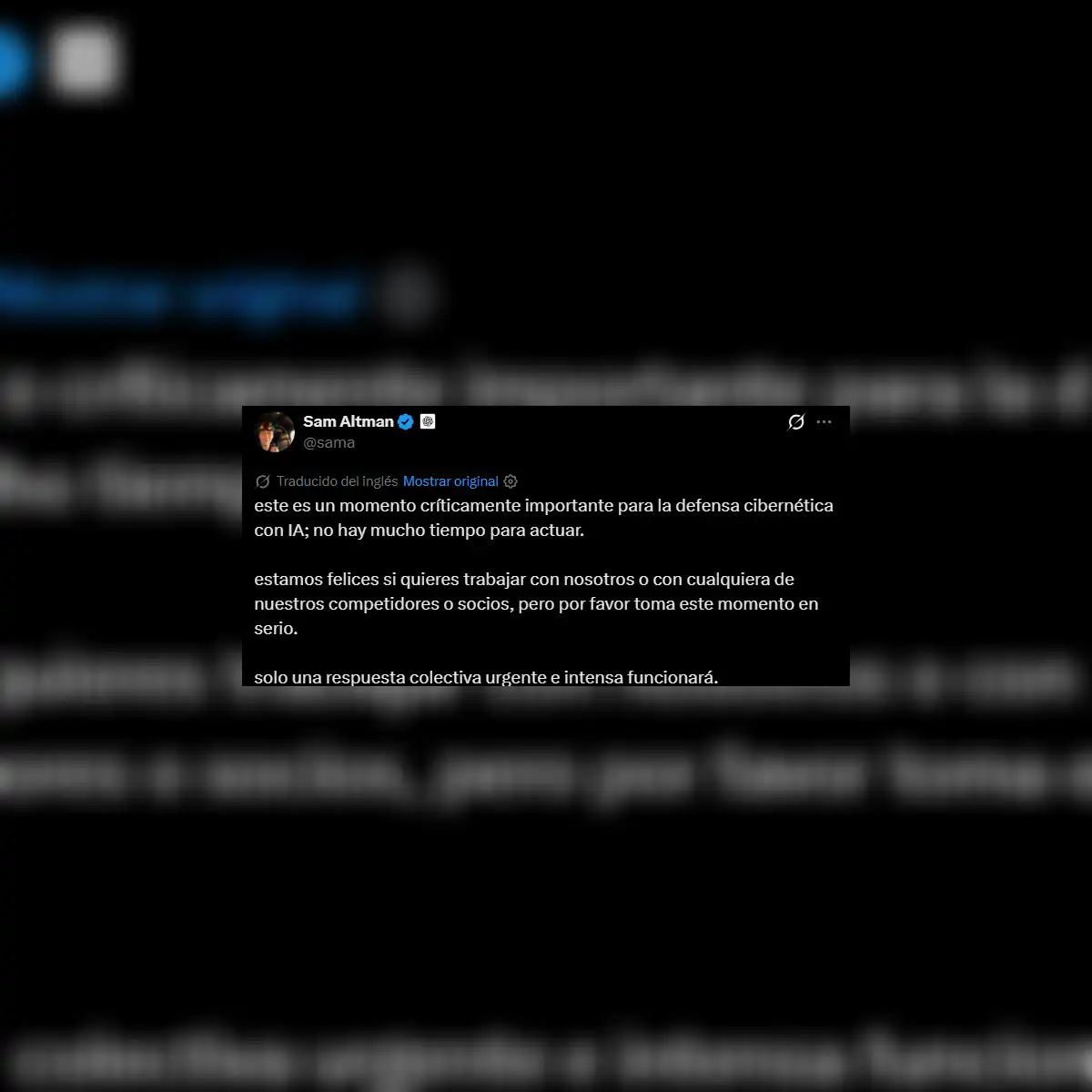
The chief executive officer of OpenAI addressed the release in a public statement posted on X, as the open letter acknowledged the concentration of corporate influence by explicitly stating that no single company should control the future alone.
Global Signatories Across Sectors
The coalition features prominent artificial intelligence laboratories including OpenAI, Anthropic, Google, and Microsoft, alongside major cloud service providers such as Amazon Web Services, Oracle, and IBM. Specialized cybersecurity firms signing the declaration include CrowdStrike, Palo Alto Networks, Cloudflare, Fortinet, Sophos, Darktrace, Tenable, SpecterOps, Corelight, Cyera, Obsidian Security, SentinelOne, and HackerOne.
Professional service networks including Accenture, KPMG, PwC, and Capgemini joined major financial institutions such as BBVA, Citi, Capital One, Mastercard, Visa, Fifth Third Bank, U.S. Bank, Robinhood, DTCC, The Clearing House, and Zurich Insurance Company.
The full list of corporate partners extends to technology developers, hardware manufacturers, and service platforms, including Adobe, AMD, Arm, Broadcom, Cisco, Dell, Equinix, Figma, GoDaddy, Hugging Face, Okta, Perplexity, Red Hat, ServiceNow, Shopify, Snowflake, Snyk, TransUnion, Uber, Vercel, Zscaler, and General Motors.
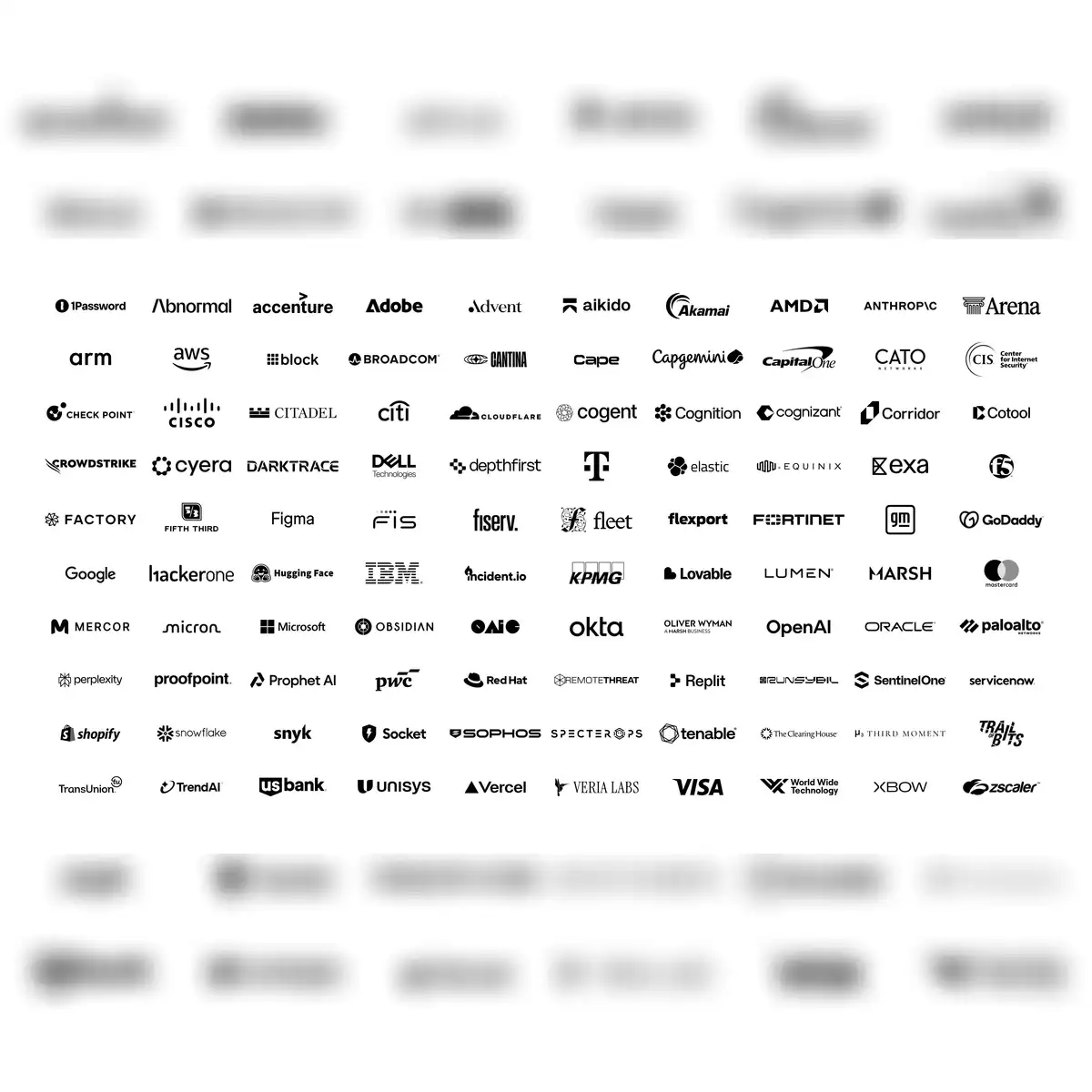
The signatories emphasized that the diverse range of participating companies reflects the shared risk across payment processing, hospital operations, semiconductor manufacturing, and government software delivery. The document concluded by stating that organizations must work together to convert current artificial intelligence breakthroughs into lasting security improvements that benefit all users, leaving open whether defenders can deploy solutions before the window of opportunity closes. The full statement has been made available to the public via OpenAI's collective cyberdefense portal at https://openai.com/collective-cyberdefense/.