

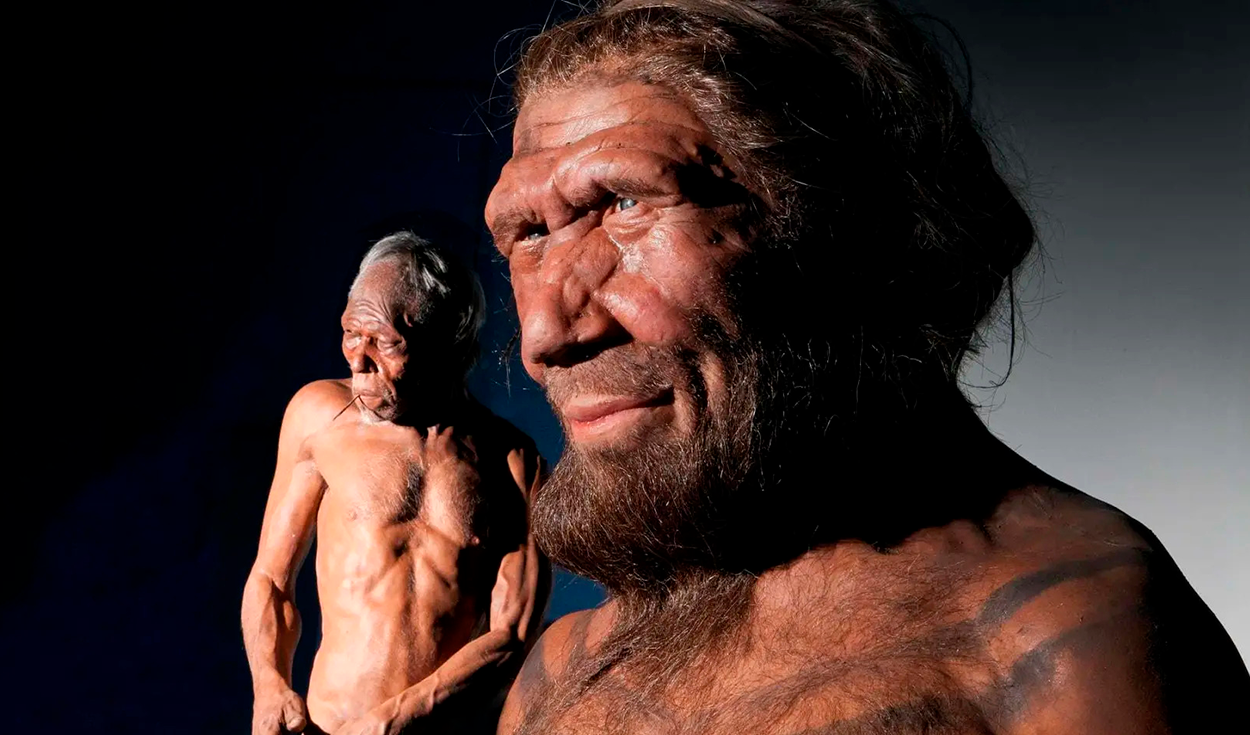
A genetic variant inherited from Neanderthals increases muscle mass and alters jaw structure in millions of living humans, researchers at the Max Planck Institute for Evolutionary Anthropology and the Karolinska Institute have found.
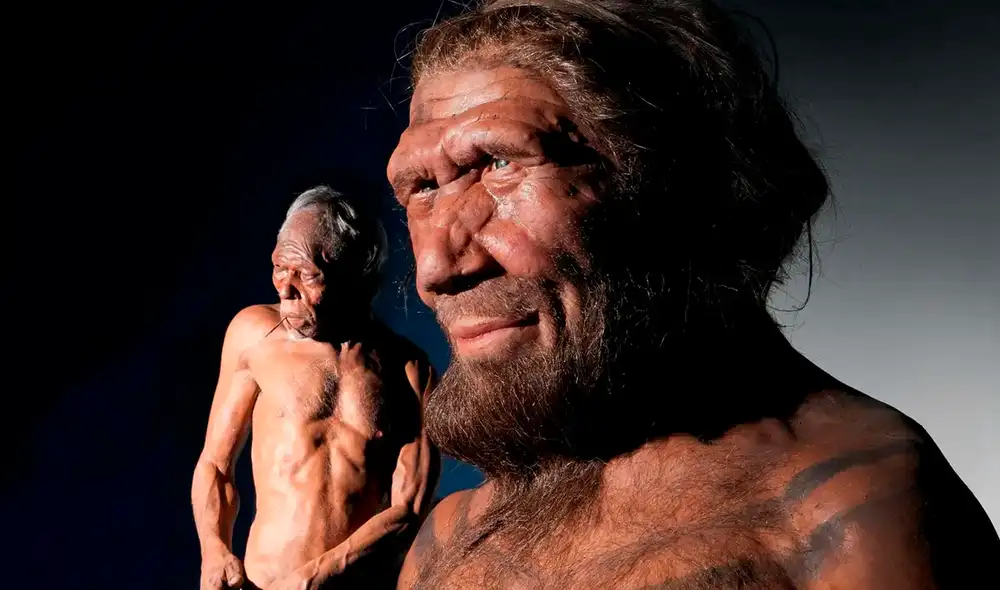
The study, published in the scientific journal Current Biology, combined cell experiments with genetic and medical data from more than one million people. It revealed that an ancient variant of the growth hormone receptor gene causes human cells to respond more intensely to growth hormone, leading to measurable physical differences in adult carriers.
Growth hormone is produced by the pituitary gland and plays a central role in the development of human bones and muscles. To exert its biological effects, the hormone must bind to a specific receptor on cell surfaces encoded by the GHR gene. Researchers compared receptor versions present in modern humans with those found in Neanderthals, before introducing the Neanderthal variant into laboratory-cultured cells and exposing them to growth hormone.
Cells carrying the Neanderthal receptor exhibited a significantly stronger response, growing approximately 40 percent more than cells with the modern human version. However, researchers noted that the cell experiment figure does not mean people carrying the variant have 40 percent more muscle. Philipp Kanis, a researcher at the Max Planck Institute for Evolutionary Anthropology, said he was most surprised that two very different lines of evidence told the same story, noting that lab-grown cells responded with greater intensity while population data from over one million people showed signs of the exact same effect in the organism, adding that it is rare for laboratory and population evidence to align so clearly.
Muscle mass effects and population distribution
The genetic variant is not distributed evenly across human populations worldwide. It is far more common in certain populations of Southern and Eastern Asia, where it can be found in around one fifth of the population. By contrast, its presence in European populations is around 0.5 percent.
Analyzing health and genetic records from more than one million individuals, the research team found that adult carriers tended to display slightly higher overall body mass. This increase was primarily associated with a higher amount of lean mass rather than body fat, with the average difference measuring approximately 270 grams of lean mass.
When the team examined data from thousands of children, they found no significant physical differences linked to the variant during early stages of development. This indicates that the effects of the gene variant likely become noticeable during puberty, a developmental phase marked by a sharp rise in growth hormone activity. Miriam Berreiter, a researcher at the Karolinska Institute, said that as someone who practices CrossFit, she was delighted to find Neanderthal genetics and muscle mass appearing together in the same study, though she pointed out that even a Neanderthal growth hormone receptor is no substitute for physical training.
Anatomical features and jaw structure
Beyond muscle development, the study identified small anatomical differences in individuals carrying the Neanderthal gene variant. These traits include a slightly shorter mandibular ramus, a higher probability of an overbite, and somewhat shorter tooth roots.
While these physical characteristics show a clear resemblance to features observed in Neanderthal fossil remains, researchers cautioned that the variant does not make an individual more Neanderthal. The physical structure of ancient humans was the product of numerous genetic and environmental factors rather than a single gene.
Hugo Zeberg, a researcher at the Max Planck Institute for Evolutionary Anthropology, said it is fascinating that a genetic change inherited from Neanderthals can still exert an effect on the human body today. Zeberg noted that this is only one of many genetic factors influencing growth and body shape, emphasizing that on its own, the gene cannot explain the Neanderthal body and does not determine the overall appearance of a person.
Neanderthals disappeared from the fossil record approximately 40,000 years ago, but genetic interbreeding left behind DNA that continues to influence modern human biology. The Max Planck Institute for Evolutionary Anthropology, located in Leipzig, Germany, and the Karolinska Institute in Solna, Sweden, are leading research centers in evolutionary biology and medicine. Current Biology is a peer-reviewed scientific journal published by Cell Press that covers all areas of biology. The findings offer fresh insight into how ancient human heritage continues to shape human traits in small but measurable ways.



