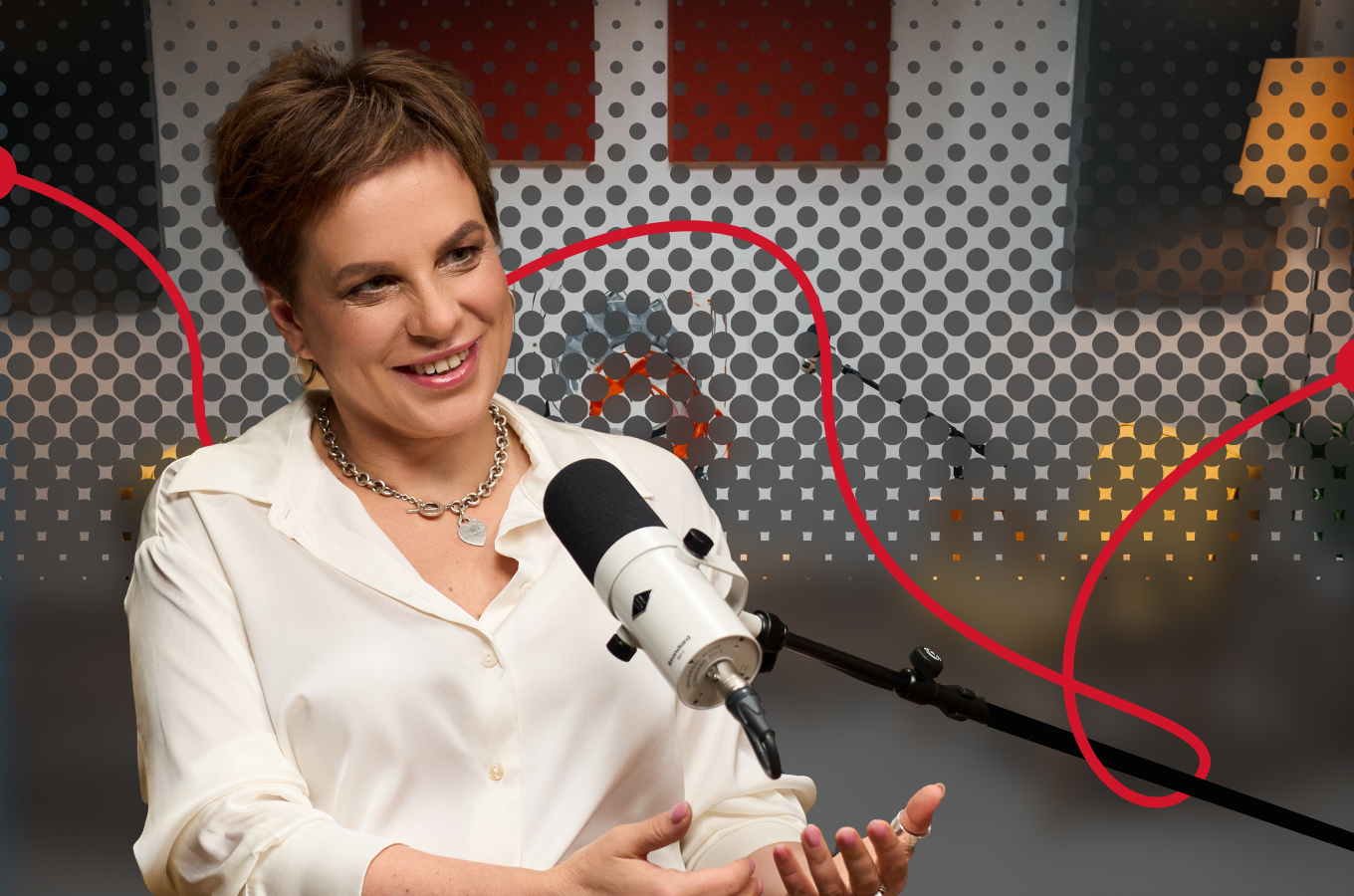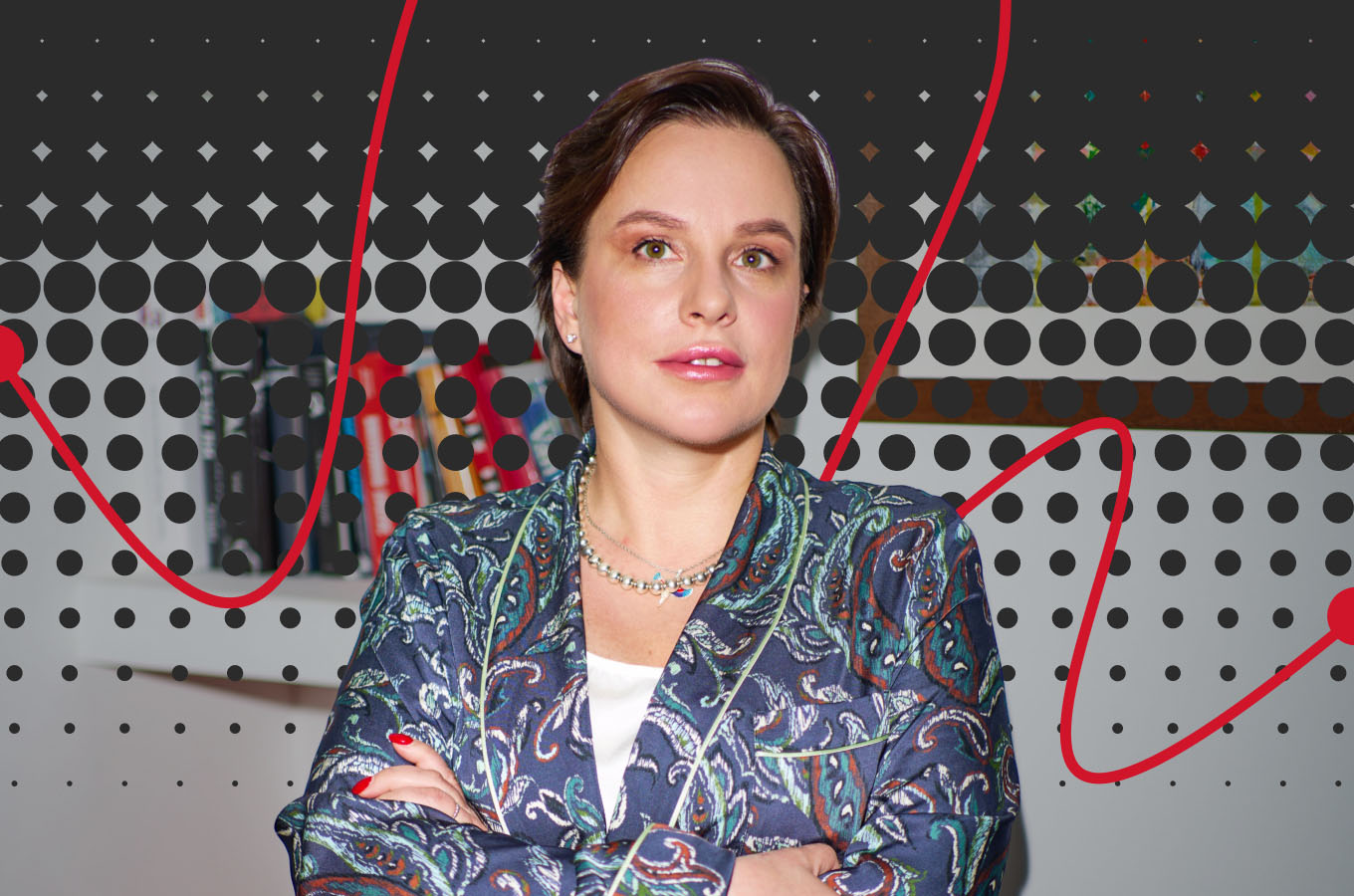
Psychotherapist Natalia Bekhtereva warned that dating apps profit by keeping users single during an appearance on the Delai video podcast hosted by Inc magazine.
Bekhtereva explained that online dating platforms depend financially on users spending extended periods searching for partners rather than successfully matching, which would prompt them to delete the applications.
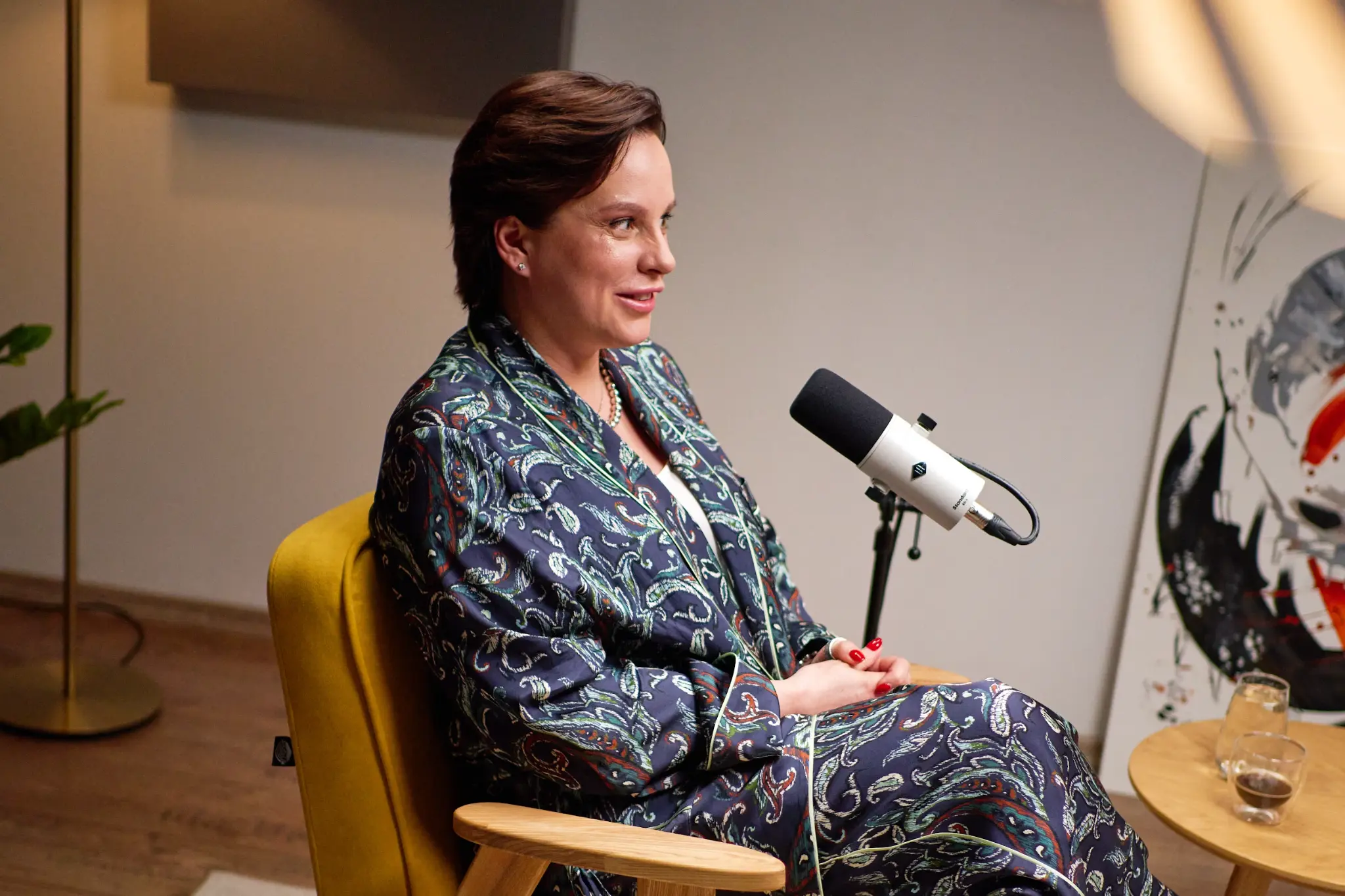
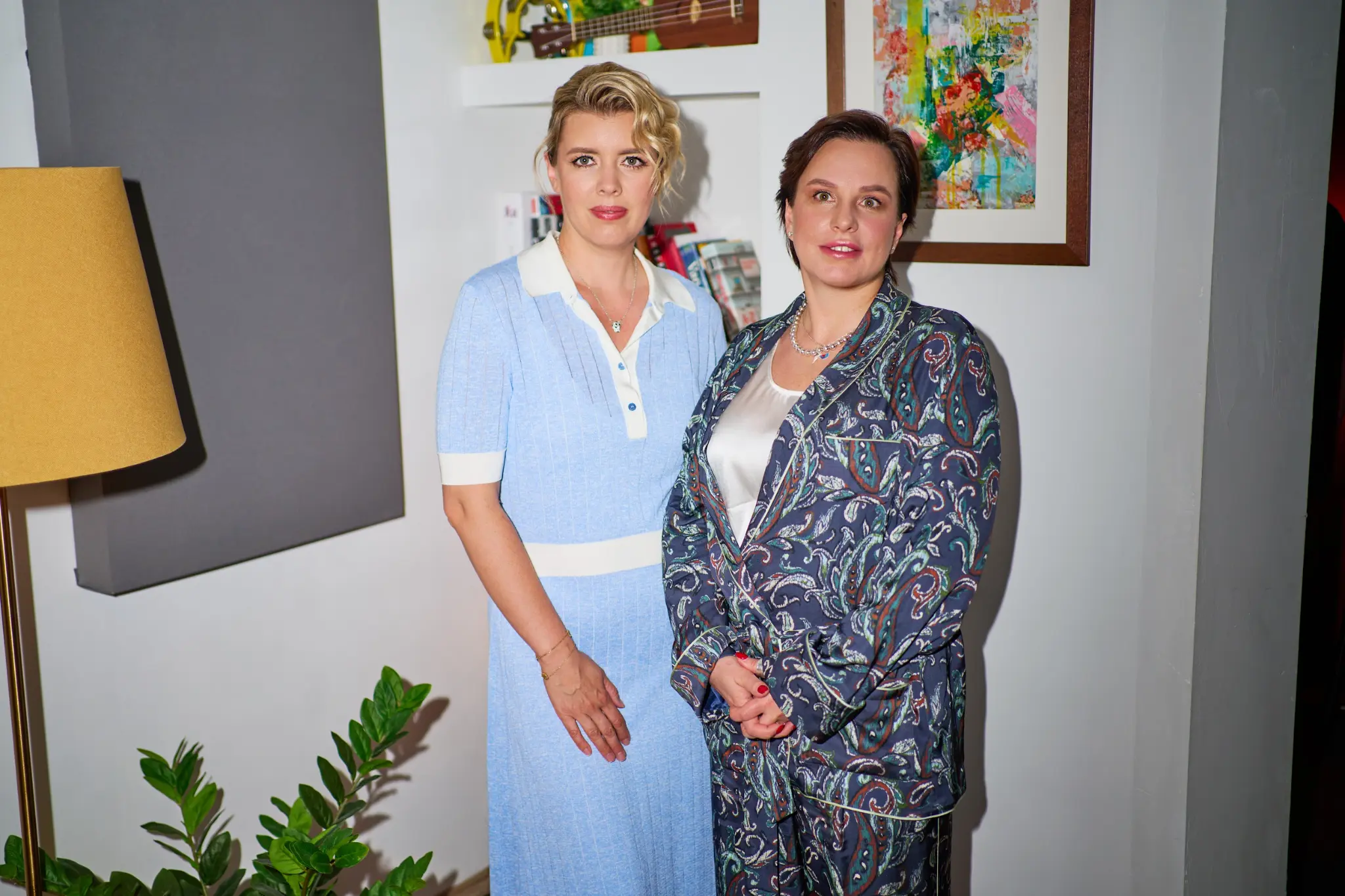
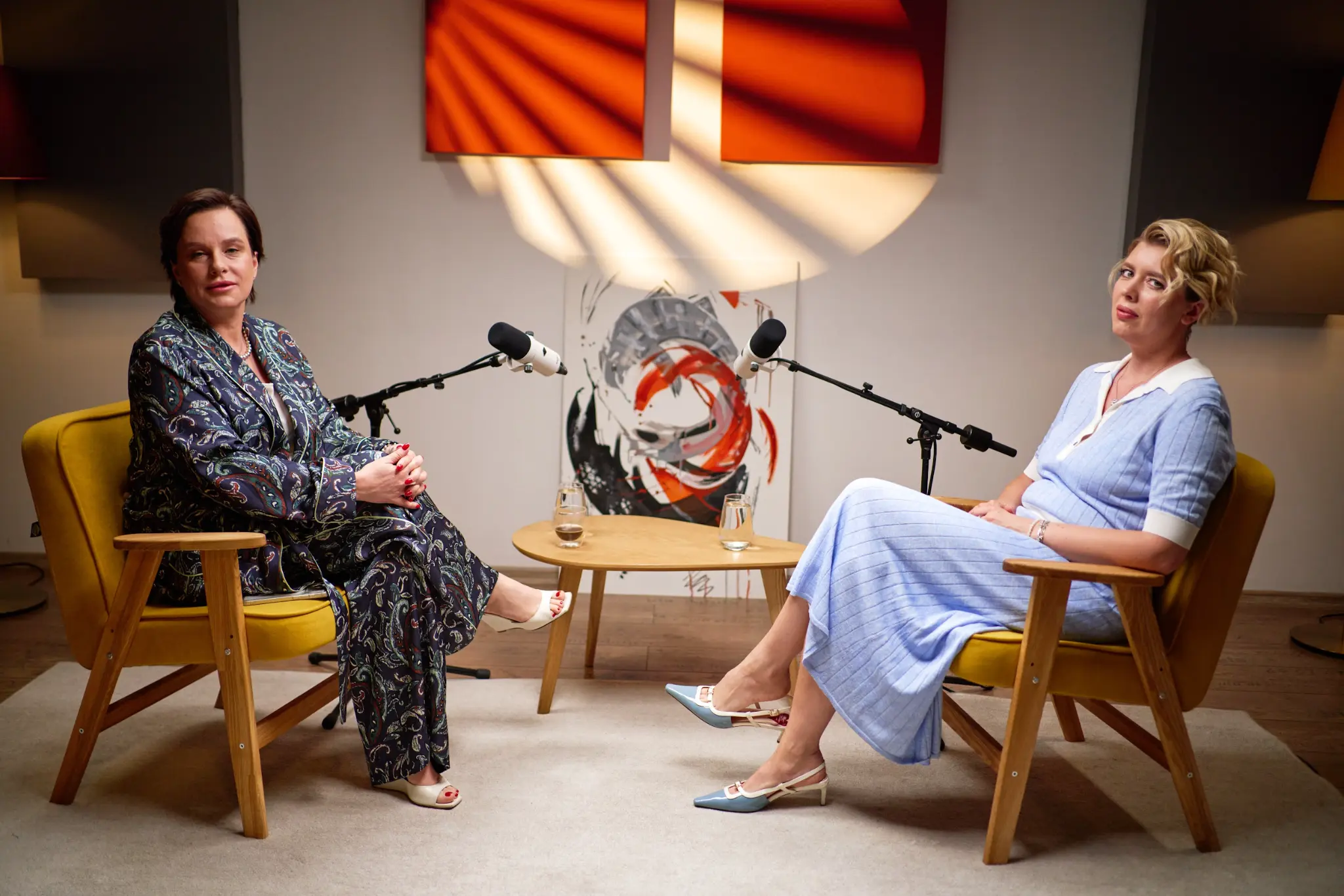
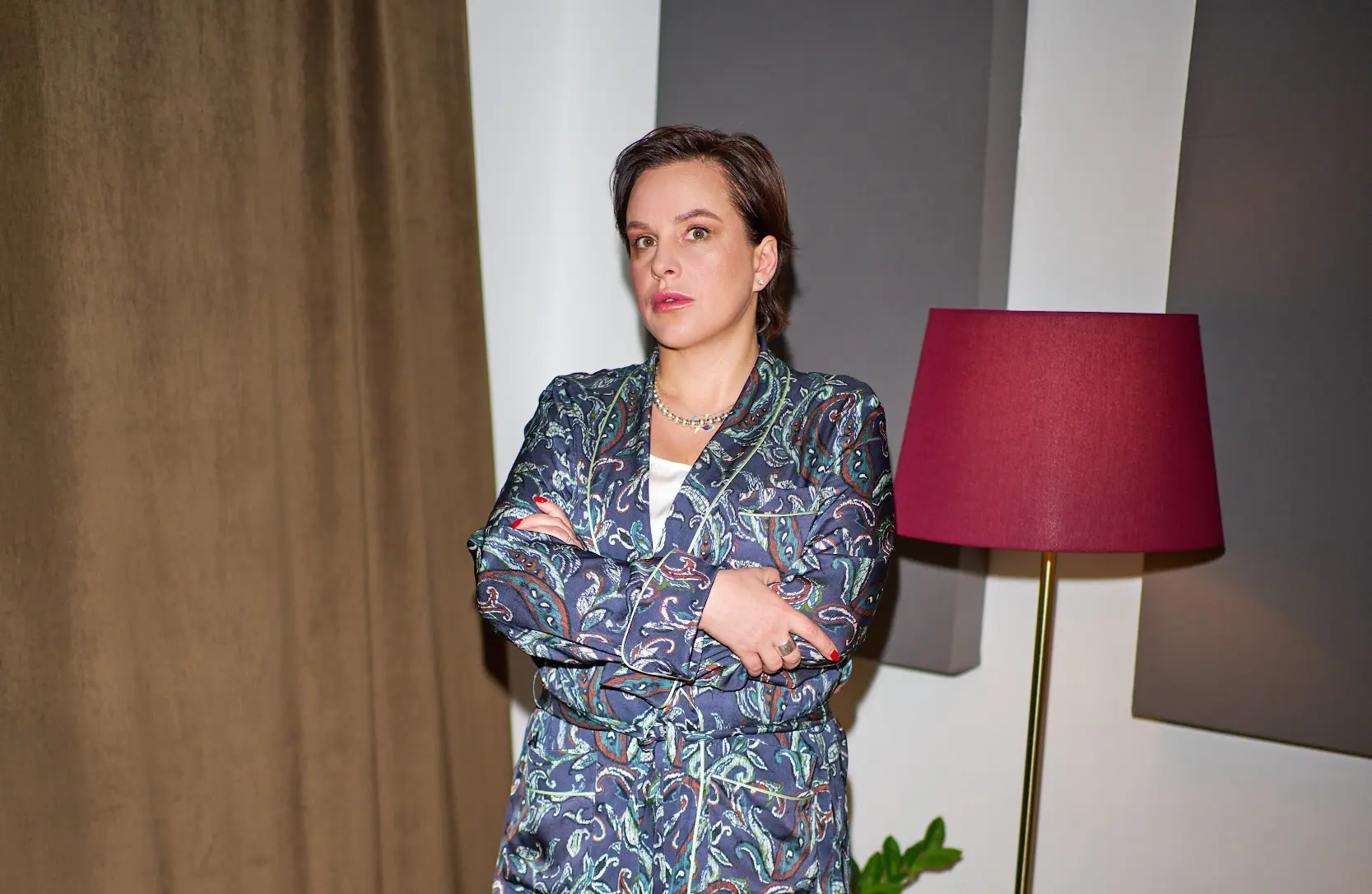
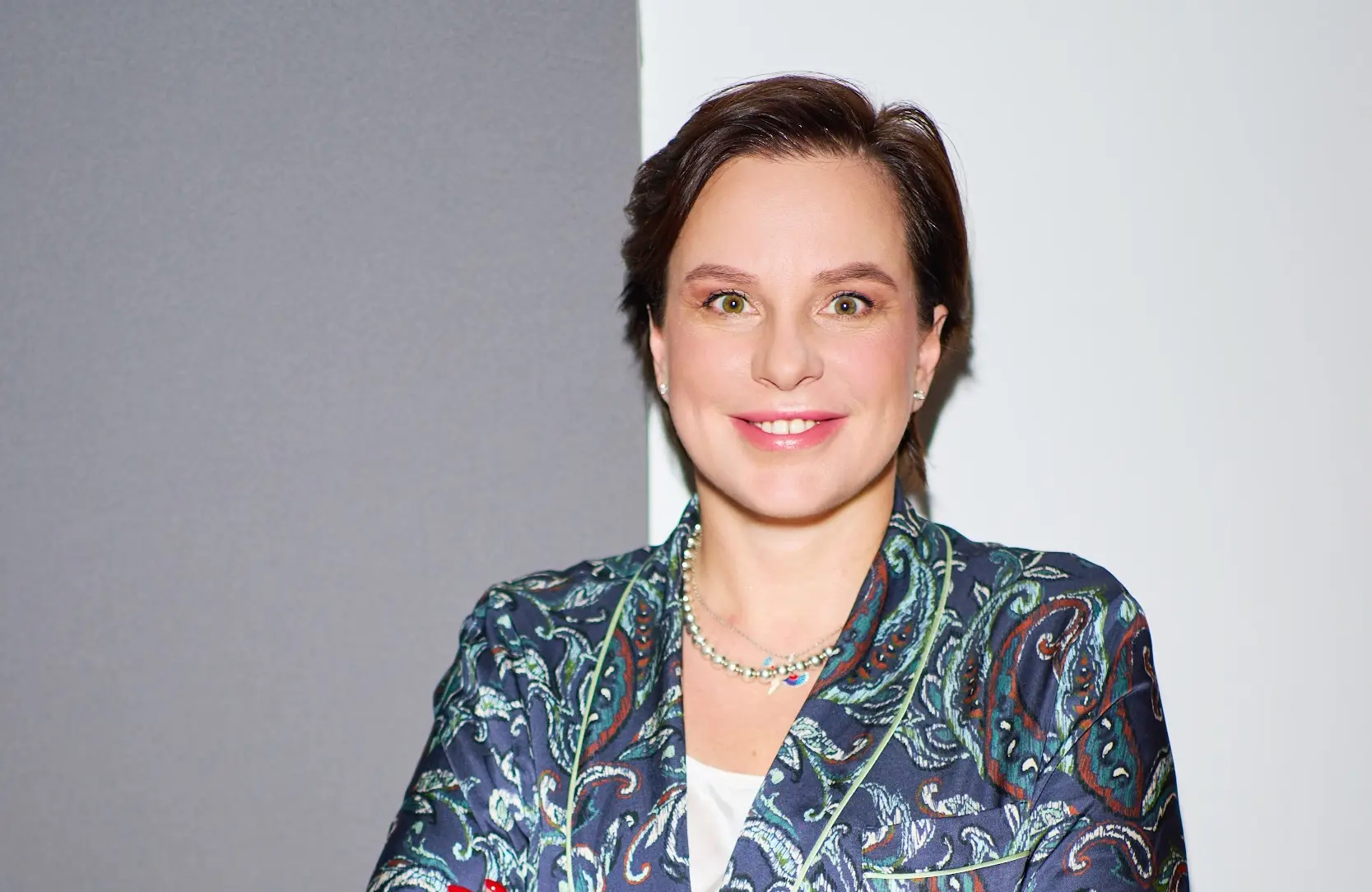
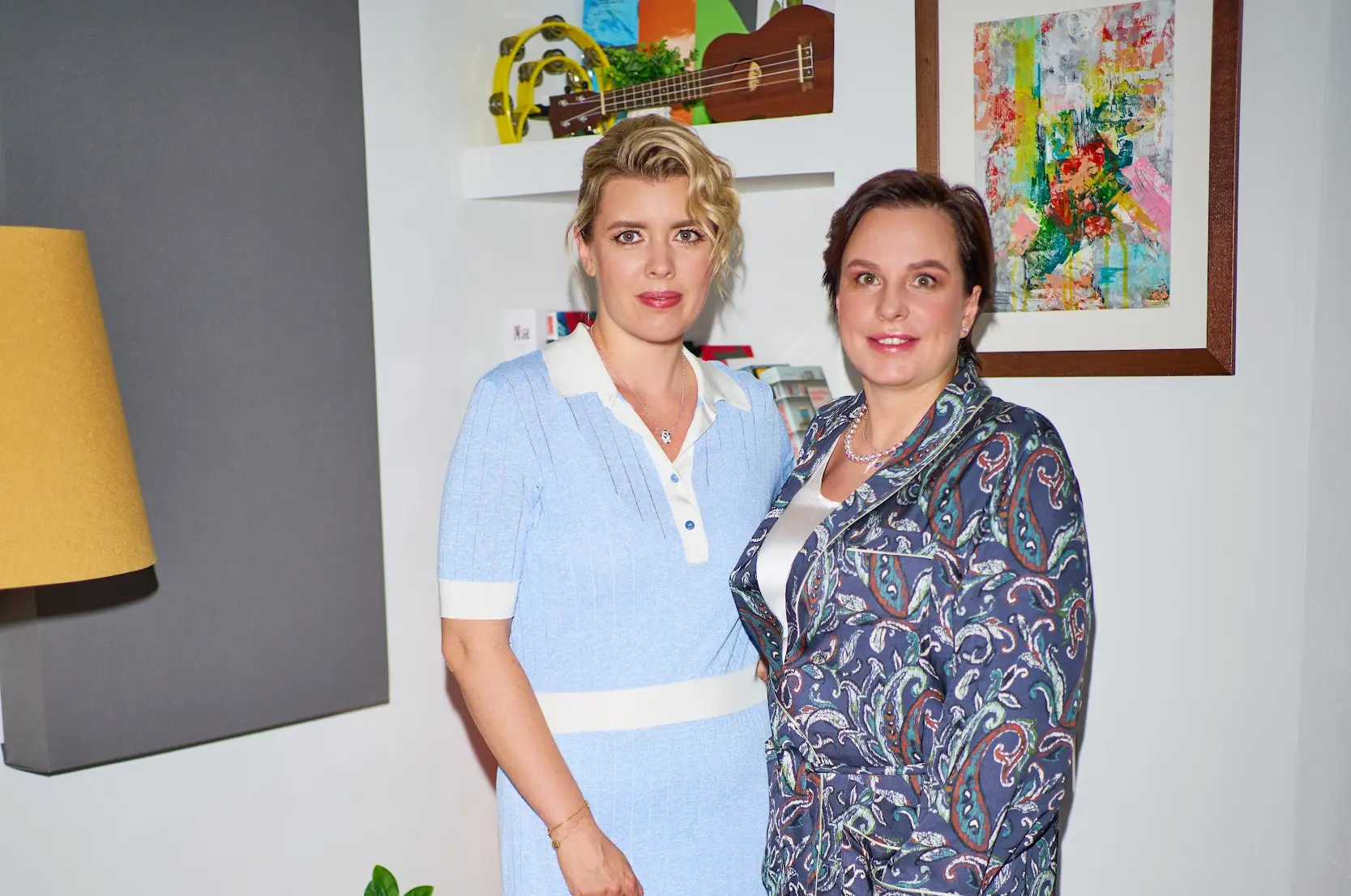
Natalia Bekhtereva is a practicing psychotherapist, psychiatrist, psychologist, and chairman of the Ethical Committee of the Russian Psychotherapeutic Association. She is a co-owner of Publishing House of Hard Books and the great-great-granddaughter of Vladimir Mikhailovich Bekhterev, the world-famous psychiatrist and founder of Russian psychiatry. She spoke with Maria Lapuk, co-owner of Inc magazine, on the regular biweekly video podcast Delai, which features interviews with successful Russian entrepreneurs.
Commercialized algorithms and rigid matching criteria
Global statistics indicate a decline in online dating activity as public interest shifts back toward offline events. Bekhtereva noted that men are increasingly attending in-person gatherings to satisfy a shared need for offline interaction. However, many individuals experience conflicting internal desires, feeling lonely while simultaneously avoiding new acquaintances due to a fear of managing uncertainty.
When selecting partners online, users set rigid parameters such as height over 180 centimeters, specific hair and eye colors, or strict income levels. Bekhtereva stated that these filters eliminate suitable candidates over single mismatches. While initial real-life encounters rely on chemistry, digital profiles turn ideal expectations into rigid checklists where any deviation is rejected. She emphasized that no individual can fulfill contradictory expectations, such as being a powerful business owner who also cooks and manages childcare at home.
Loss of social rules and artificial online personas
Addressing questions over whether women should initiate dates, Bekhtereva observed that relationship friction arises from uncertain social roles. She noted that modern cultural codes grant women complete freedom to build businesses, govern countries, initiate relationships, or refrain from working entirely. However, unguided freedom creates anxiety, prompting people to rely on standardized rules from social media platforms like Instagram.
Citing Russian psychiatrist Nikolai Gannushkin, Bekhtereva highlighted that an absence of structured rules increases the risk of personality disorders. Unlike traditional religious practices or parental introductions that involved established rituals, modern online guidelines enforce uniform standards. Historical habits like keeping personal diaries or writing letters provided self-analysis, whereas modern users lack reflective spaces and adopt artificial masks during dates.
Wearing artificial personas triggers internal alarm and anxiety because visible behavior contradicts perceived feelings. Over time, when partners reveal their true personalities, feelings of deception emerge. Bekhtereva compared this dynamic to purchasing a cream jar that turns out to be mostly empty space. Consequently, partners often become unprompted psychotherapists for one another, concealing true thoughts to maintain an illusion of harmony.
The lucrative market for ideal lifestyles and parenting
Bekhtereva pointed out that selling perfection has become a highly profitable market for corporations and individuals across cosmetics, plastic surgery, fashion, and self-development. Teaching people to accept themselves as ordinary yields little revenue, whereas marketing quick solutions for ideal living creates continuous consumer demand. She added that psychotherapy faces similar expectations, though therapy cannot eliminate inherent traits like aggressiveness, only helping clients manage and direct them.
Creating uniform social masks serves as an effective mechanism for social management. Bekhtereva observed a generational shift in parenting, where parents raise children in idealized environments shielded from stress, conflict, or unpleasant truths. Some parents refuse to let children read fairy tales containing aggression or visit museums dedicated to the 1941 through 1945 war, fearing psychological trauma.
She explained that children naturally possess magical thinking, assuming parents can fulfill every desire. While emotional development requires outgrowing magical thinking, shielding children from real-world challenges prevents them from learning how to navigate reality.
Fairy tale archetypes and the drama triangle
Modern relationships frequently collapse into extreme behaviors rather than constructive compromise. People either abandon partners immediately after labeling them abusive or engage in prolonged efforts to reform them. Bekhtereva connected these behavioral patterns to traditional fairy tales stored in cultural memory.
Women often adopt rescue roles seen in stories like The Frog Princess or Snow White. During the interview, Lapuk shared that The Snow Queen was her favorite childhood story due to the title character, while Bekhtereva preferred Pippi Longstocking for its active pace. Meanwhile, men frequently mirror patterns from Ivan the Fool, remaining passive until a major crisis forces sudden action, after which they return to inactivity. Bekhtereva noted that psychologist Stephen Karpman, a student of Games People Play author Eric Berne, derived the persecutor, victim, and rescuer drama triangle directly from these fairy tale structures.

Economic independence and irreconcilable differences
Addressing the rise of single-person households, Bekhtereva traced social isolation back to the industrialization era when traditional community support networks dissolved. Modern economic independence allows individuals to raise children or live alone without financial reliance on a partner. Facing a choice between relationship uncertainty and solitude, the human brain frequently chooses loneliness.

Bekhtereva predicted that mutually reflective relationships will become a new luxury and social elite. Surprising statistics indicate that 60 to 70 percent of long-term cohabiting couples hold irreconcilable differences on major issues. Successful couples navigate these divisions by granting personal freedom, taking individual responsibility, avoiding controversial topics, and maintaining at least one shared unifying goal.
Sharing her personal experience, Bekhtereva noted that she raised three children born across different decades: a daughter born 22 years ago, a son named Maksim born ten years later, and a 12-year-old son whom she affectionately nicknames Skuf. She remarked that she was effectively three different mothers to them because her own personality evolved over time.
Historical perspective, graphomania, and practical rules
Rising divorce rates reflect social and economic independence rather than an absence of past relationship struggles. Leading family history reconstruction groups, Bekhtereva observed that genealogical research reveals extensive past affairs, multiple marriages, and family drama. Historical generations managed uncertainty and trauma more effectively because they were raised witnessing life without artificial filter shields.
Many individuals today reject stability out of fear of being labeled a normie. This pressure has fueled a wave of graphomania, where ordinary writers attempt to imitate emotionally volatile, borderline-psychopathic authors, resulting in unnatural writing. Bekhtereva advised people to focus on creating change within arm's reach and doing what they excel at.
She concluded that partners must establish clear rules and maintain honest communication from the beginning of a relationship rather than pretending to reject structure.
Bekhtereva previously authored articles examining why normal people avoid entering business and why experiencing burnout can be beneficial.