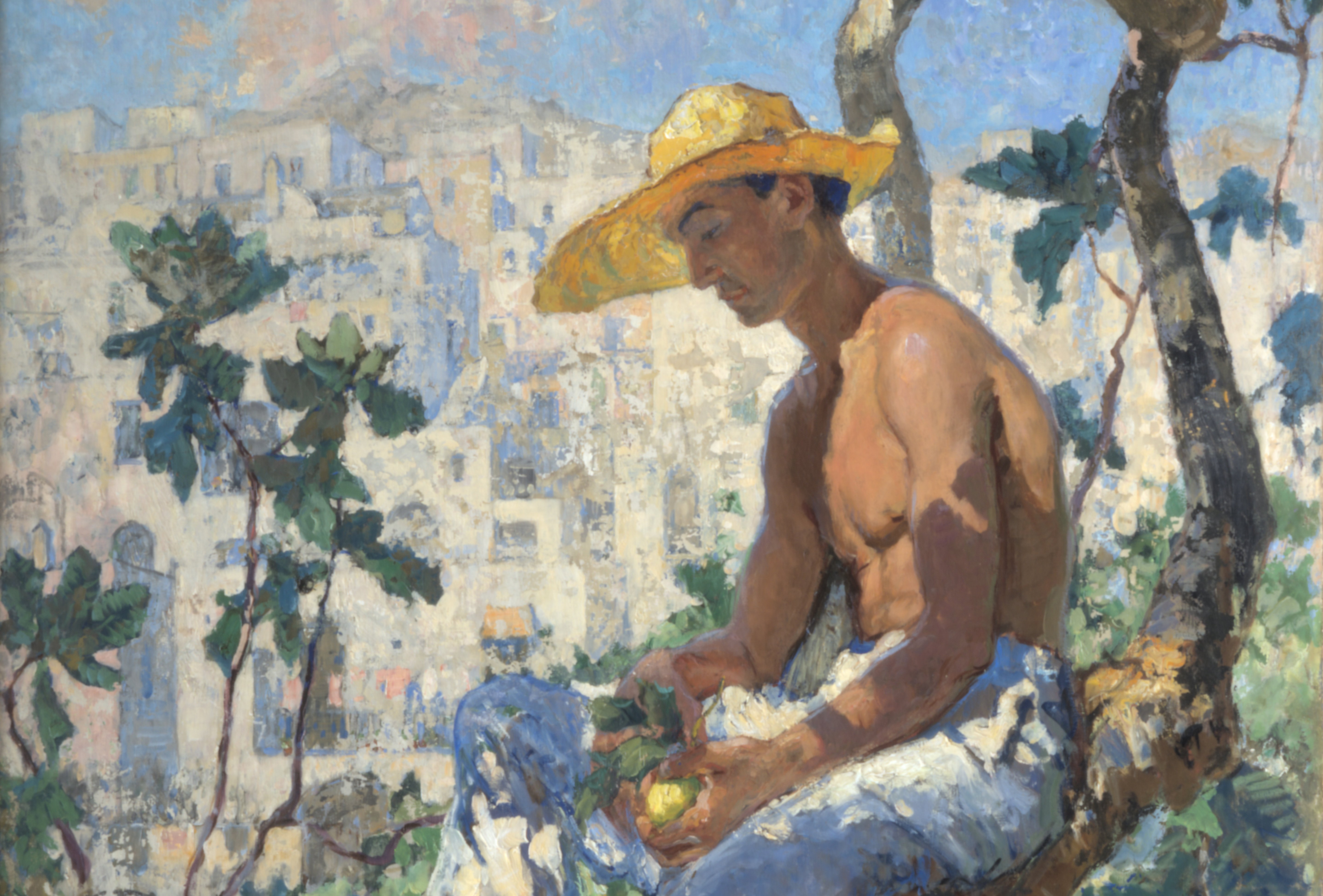
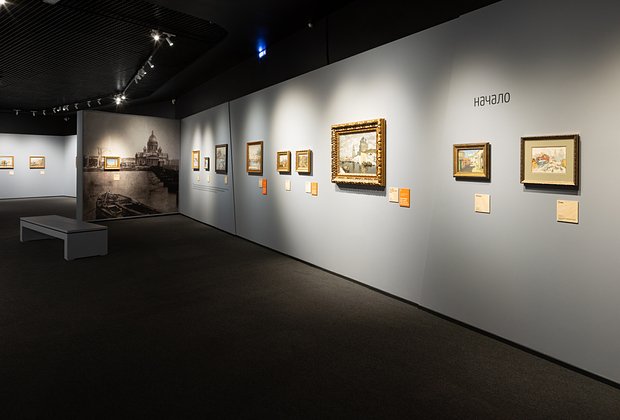
The New Jerusalem Museum has opened a major exhibition titled "(UN)known. Konstantin Gorbatov," marking the 150th anniversary of the Russian painter's birth. The show brings together his archive, personal belongings and more than a hundred of his paintings, which were transferred to the Soviet Union in 1946 under the terms of an unsent letter he left behind.
The letter, addressed to London, was found by a Soviet officer in Gorbatov's empty Berlin apartment in 1945. In it, the artist wrote that he was writing at a tragic moment, when death threatened everyone living in Berlin, and asked that all his paintings be sent after the war to the Academy of Arts in Leningrad, to do with them as it saw fit. His wish was carried out in full, and the collection eventually found a home at the New Jerusalem Museum.
Water and vanished cities
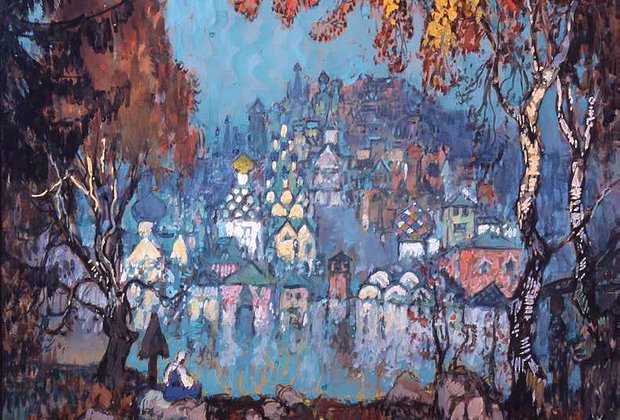
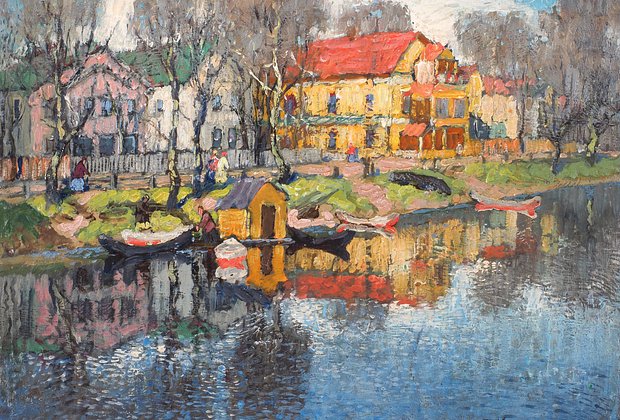
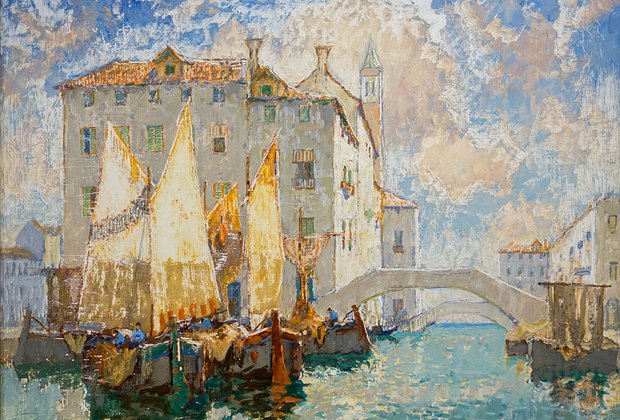
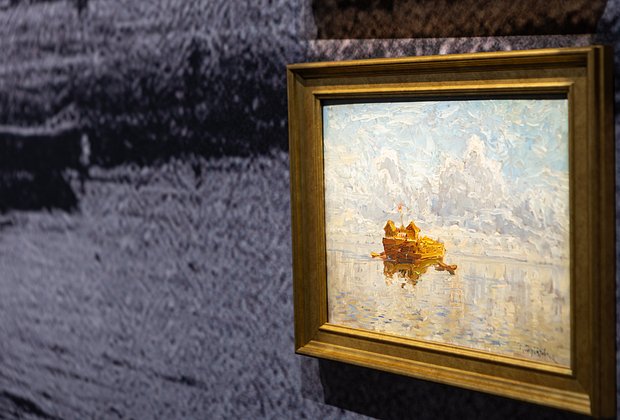
Gorbatov painted two versions of the legend of Kitezh, a city said to have vanished beneath Lake Svetloyar when Khan Batu's horde approached, twenty years apart. Water alongside architecture runs through much of his work, functioning as a kind of distorting mirror that seems ready to spread across the canvas and absorb roads, bridges, houses, churches and ships, not to destroy them but to preserve them.
Early travels and training
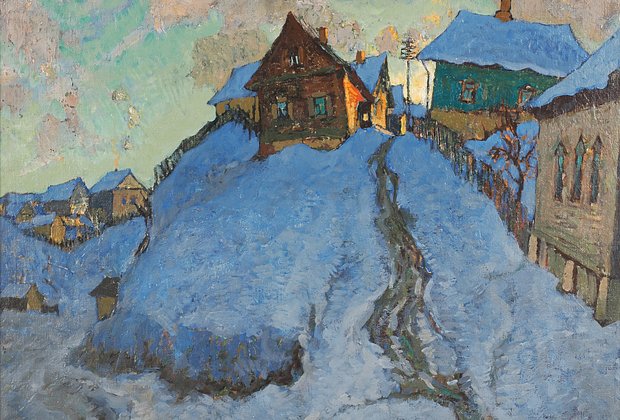
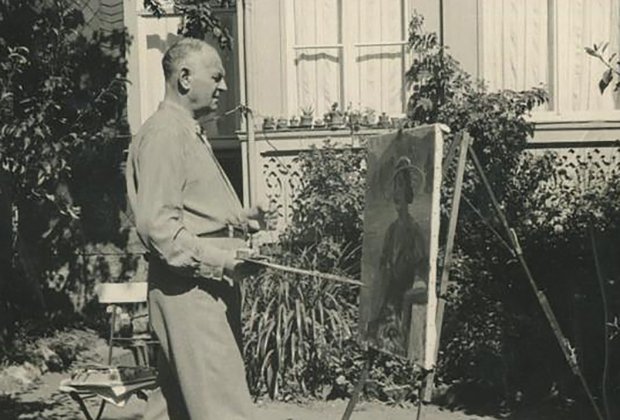
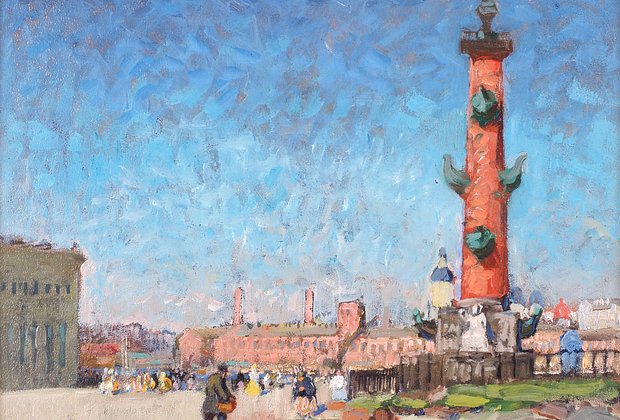
Gorbatov was born in Stavropol in 1876. He studied the basics of art in Samara, then spent six years in Riga studying at the construction department of the Riga Polytechnic. In the early 20th century he moved to St. Petersburg and enrolled at the Academy of Arts. His work was shown at exhibitions of the Peredvizhniki society as well as abroad, in Venice, Munich and Paris.
Leaving Russia for Berlin
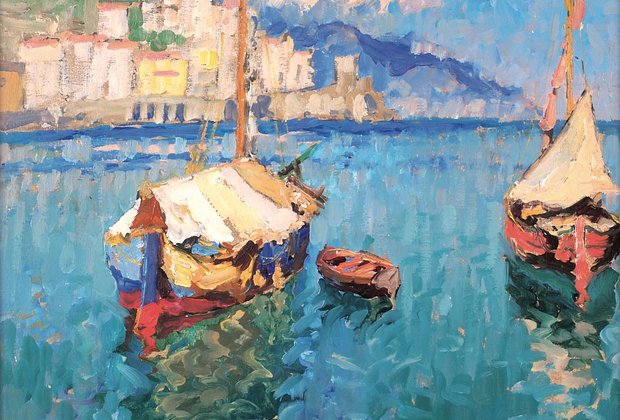
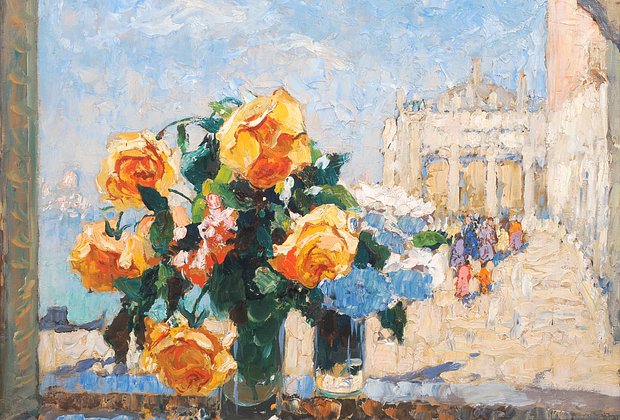
Gorbatov finished his studies at the academy in 1911 with a lengthy trip through Italy funded by a graduate stipend. He was in Petrograd when the revolution came and did not plan to leave the country even during the difficult years of the Civil War. In 1919 he was made a professor at the Academy of Arts, but the new authorities had little use for his popular landscapes of churches with gleaming domes.
The final blow came when the apartment of Gorbatov and his wife Olga was robbed and she was hurt in the process. Using a work assignment to Italy as cover, the couple left Russia for good in 1922 and eventually settled in Berlin. Abroad, Gorbatov found triumph, as his paintings of a Russia that had vanished forever were in enormous demand among European audiences. He traveled widely and exhibited often.
After a 1929 exhibition of Russian painting in Cologne, the art historian and painter Igor Grabar, who organized the show, described Gorbatov as an academician of about 55 who painted "Russian landscapes," almost exclusively featuring churches, endless churches, who was popular with German audiences, exhibited everywhere, and sold more than everyone else combined and kept on selling.
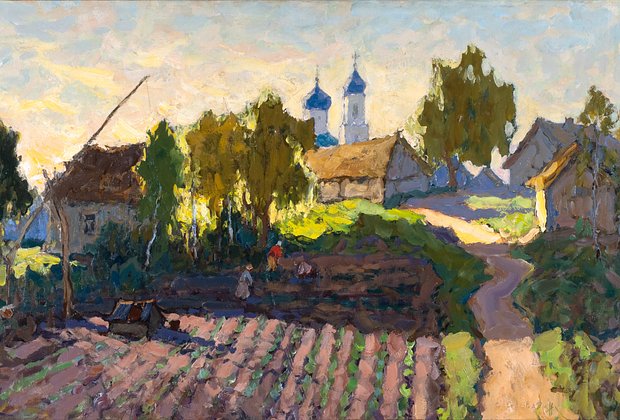
Life under Nazi rule
Gorbatov's popularity did not last. After the Nazis took power, Germany's cultural life was transformed entirely, with art treated solely as a tool of state ideology, propaganda and the promotion of "Aryan values." Monumental heroic art was favored, and the post-impressionist style in which Gorbatov worked, along with his paintings of Russian churches and Italian courtyards that he kept producing regardless, found little demand.
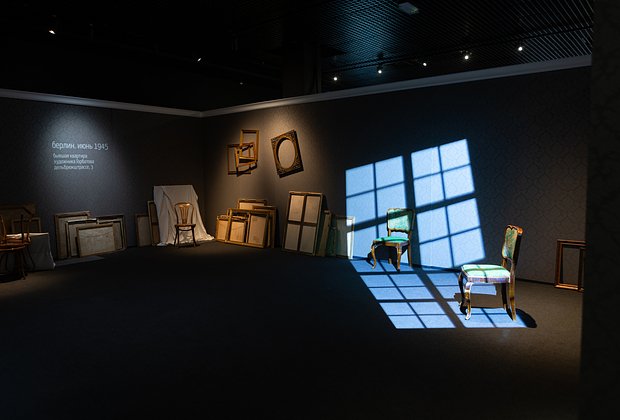
Poverty, war and loss
Gorbatov and his wife spent the entire Second World War in poverty and hunger in Berlin. Because of their background, they were required to report to police twice a week as people considered unreliable, and they were not permitted to leave the country. Konstantin Gorbatov survived the fall of Berlin by two weeks. Olga died in June 1945, leaving a suicide note in German reading, "Ich habe keine Ausweg," meaning "I have no way out."
The couple had no children. Their paintings, the artist's only legacy, were moved from Berlin to Moscow, where they remain at the New Jerusalem Museum today. The exhibition "(UN)known. Konstantin Gorbatov" runs through August 30.