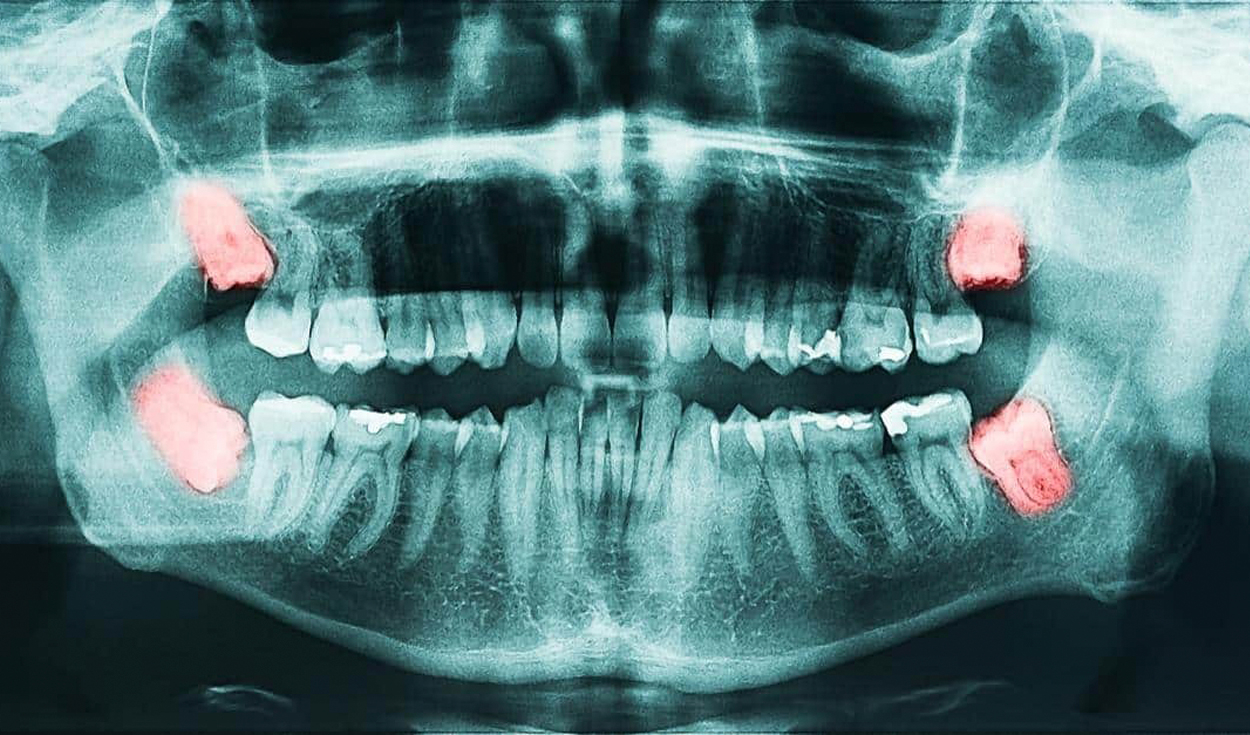
Scientists analyzing mouse teeth have identified the biological mechanism that causes human wisdom teeth to frequently grow irregularly, become impacted, or require surgical removal.
Researchers found that evolutionary reductions in human jaw size combined with dietary shifts have left insufficient room for third molars to develop normally at the back of the mouth.
The study relies on a developmental principle known as the inhibitory cascade. Under this mathematical and biological model, each developing molar releases chemical signals that limit the physical growth and final size of the tooth forming next to it.
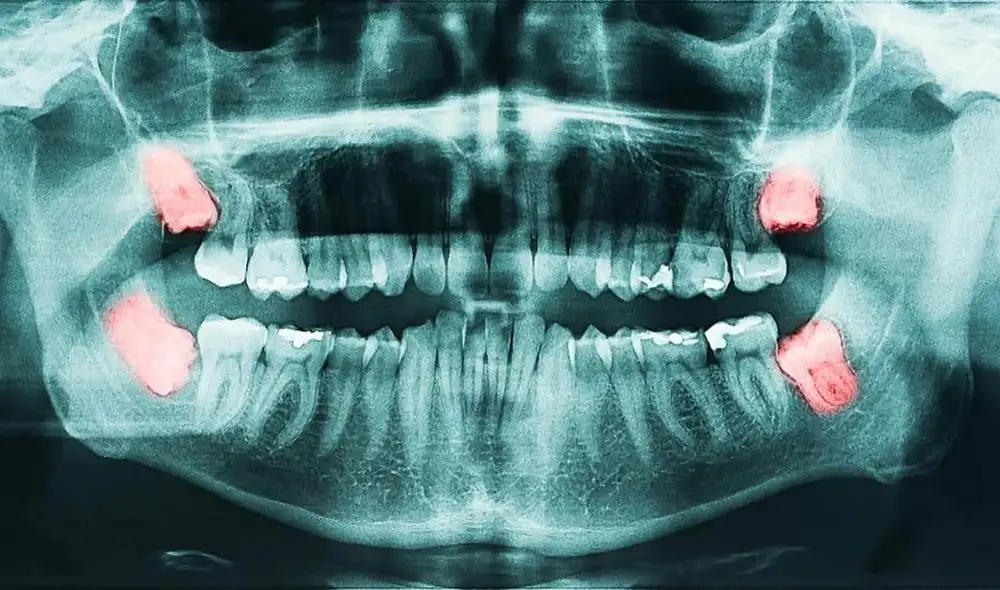
Because wisdom teeth are the last molars to form during dental development, they absorb the cumulative effect of these inhibitory signals. As a result, the third molar often remains significantly smaller than preceding teeth or fails to form entirely.
Mouse tooth experiments and mathematical modeling
The foundation of this developmental mechanism was established in 2007 by a team of researchers led by Kathryn Kavanagh. The scientists conducted laboratory experiments on mouse teeth to construct a predictive mathematical model of molar growth.
The model demonstrated that molar development operates like a sequential chain, where the size of each tooth depends directly on the dental structures that formed before it. Each tooth releases inhibitory signals that partially restrict the growth of its neighboring molar.

When researchers applied this mouse tooth model to human dentition, it provided a scientific explanation for the high degree of size variability and developmental inconsistency observed in human third molars.
Evolutionary jaw shrinkage and modern diet
Human wisdom teeth must attempt to grow within a jaw structure that has shrunk considerably throughout human evolution. Early human ancestors possessed larger, more robust jaws that provided ample space to accommodate a full set of 32 permanent teeth.
Evolutionary changes in human diet heavily influenced this reduction in jaw size. The widespread adoption of cooking and processing food reduced the mechanical strain required to chew, diminishing the biological necessity for a massive jawbone.

With diminished space available in the modern human jaw, third molars frequently become impacted, grow at abnormal angles, or trigger painful dental complications that require surgical extraction by dental professionals.