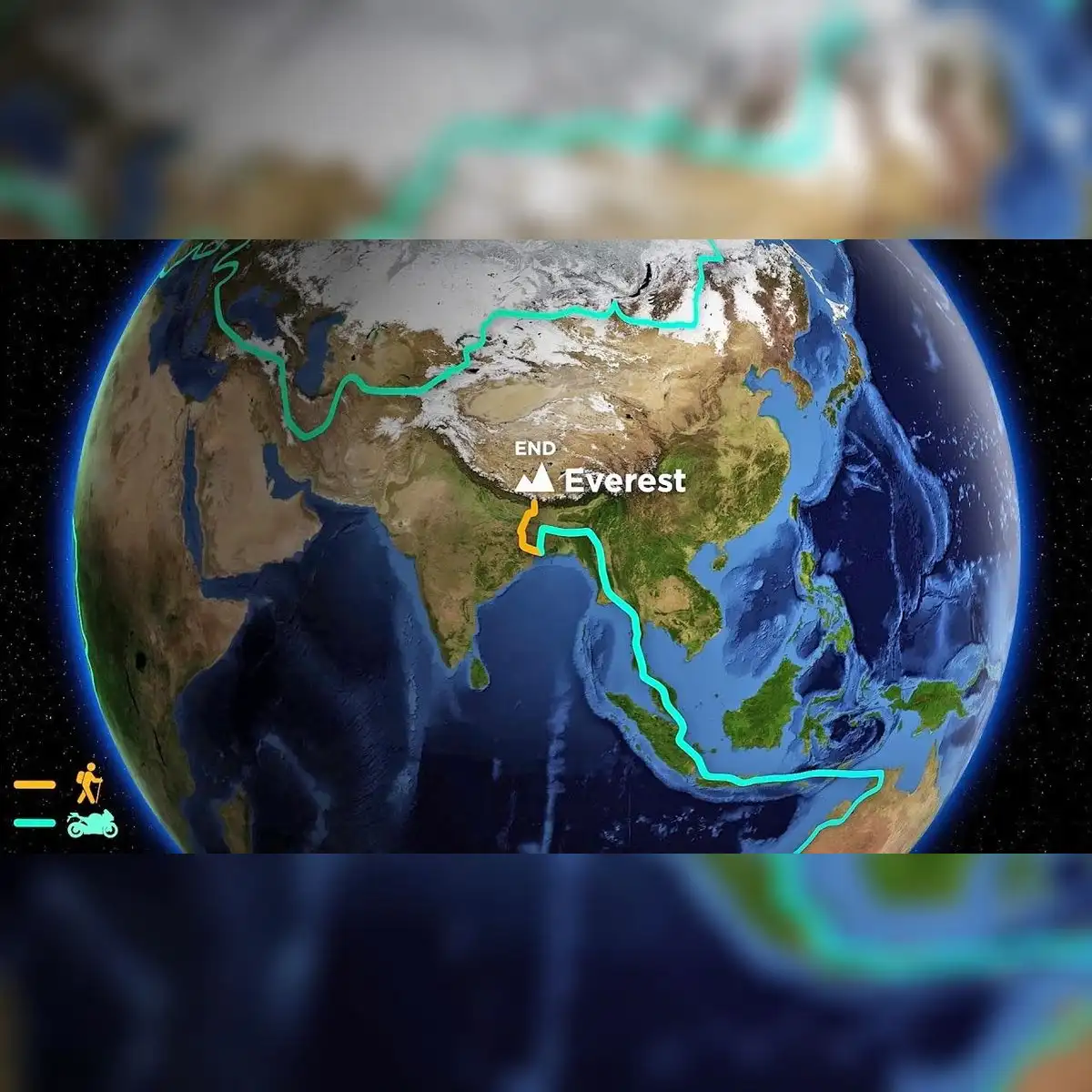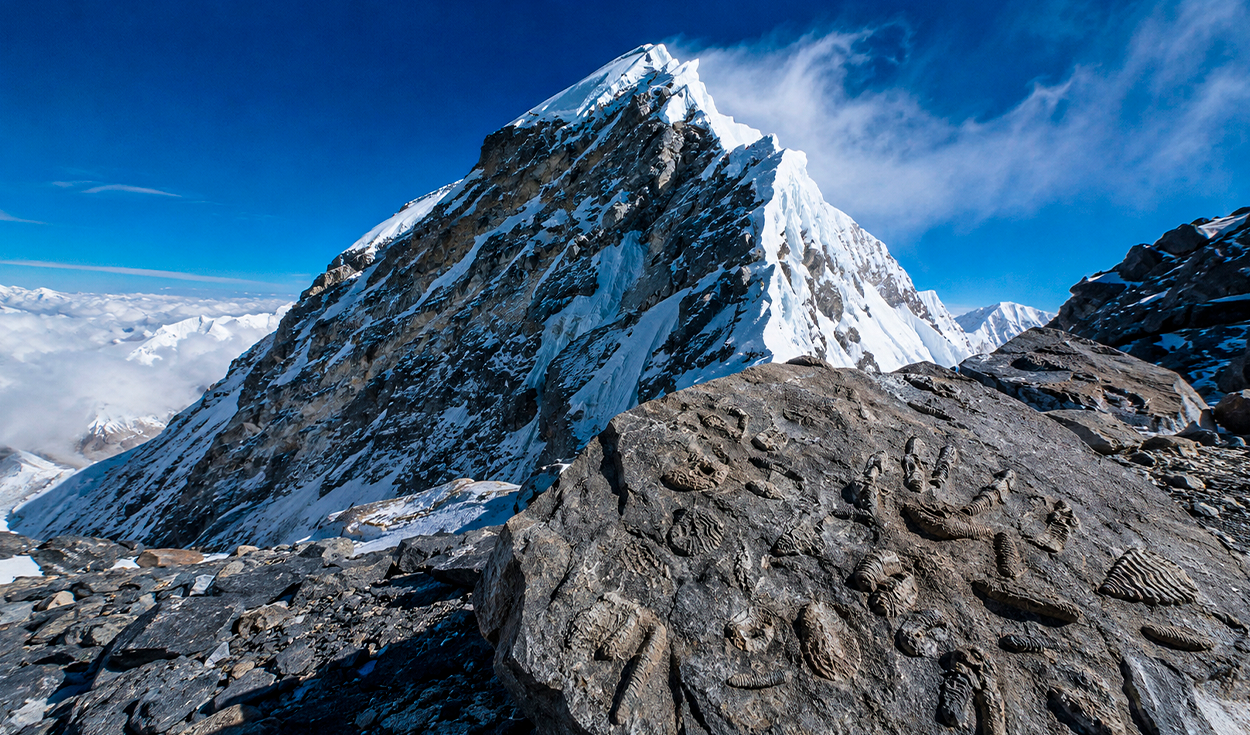
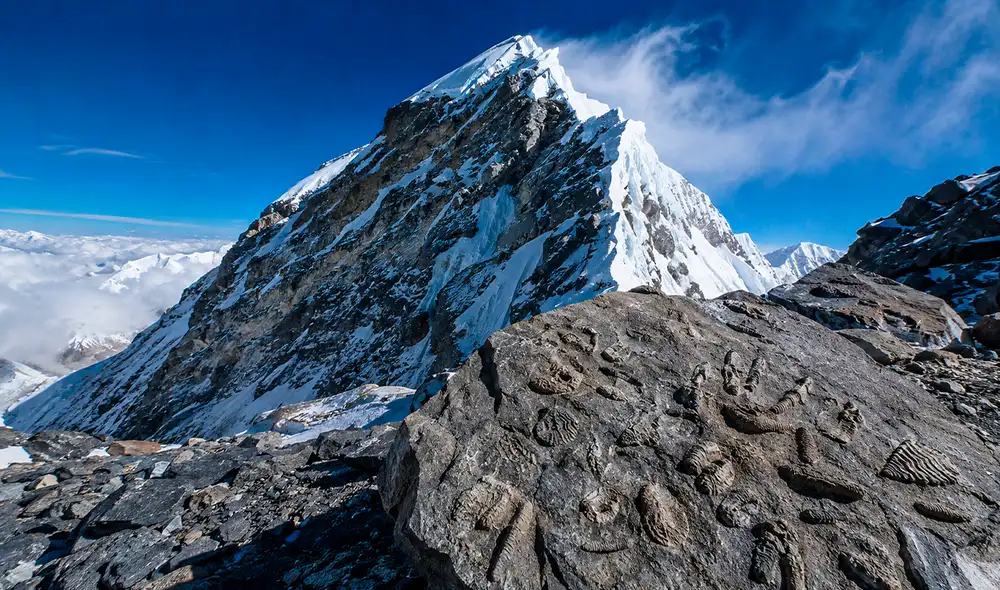
The summit of Mount Everest contains 450-million-year-old fossils of aquatic organisms, confirming the highest mountain on Earth emerged from an ancient sea.
Evidence embedded in limestone rock at the 8,848.86-metre peak reveals a marine past that contrasts sharply with the extreme cold and lack of oxygen that characterise the modern Himalayan landscape.
The International Union of Geological Sciences and the Geological Society of America confirm that this geological history predates the formation of the Himalayas by hundreds of millions of years. The discovery of these layers is the result of decades of scientific research rather than an isolated find by mountaineers.
Qomolangma limestone formation
The aquatic remains are located within the Qomolangma Formation, a layer of limestone at the top of the mountain.
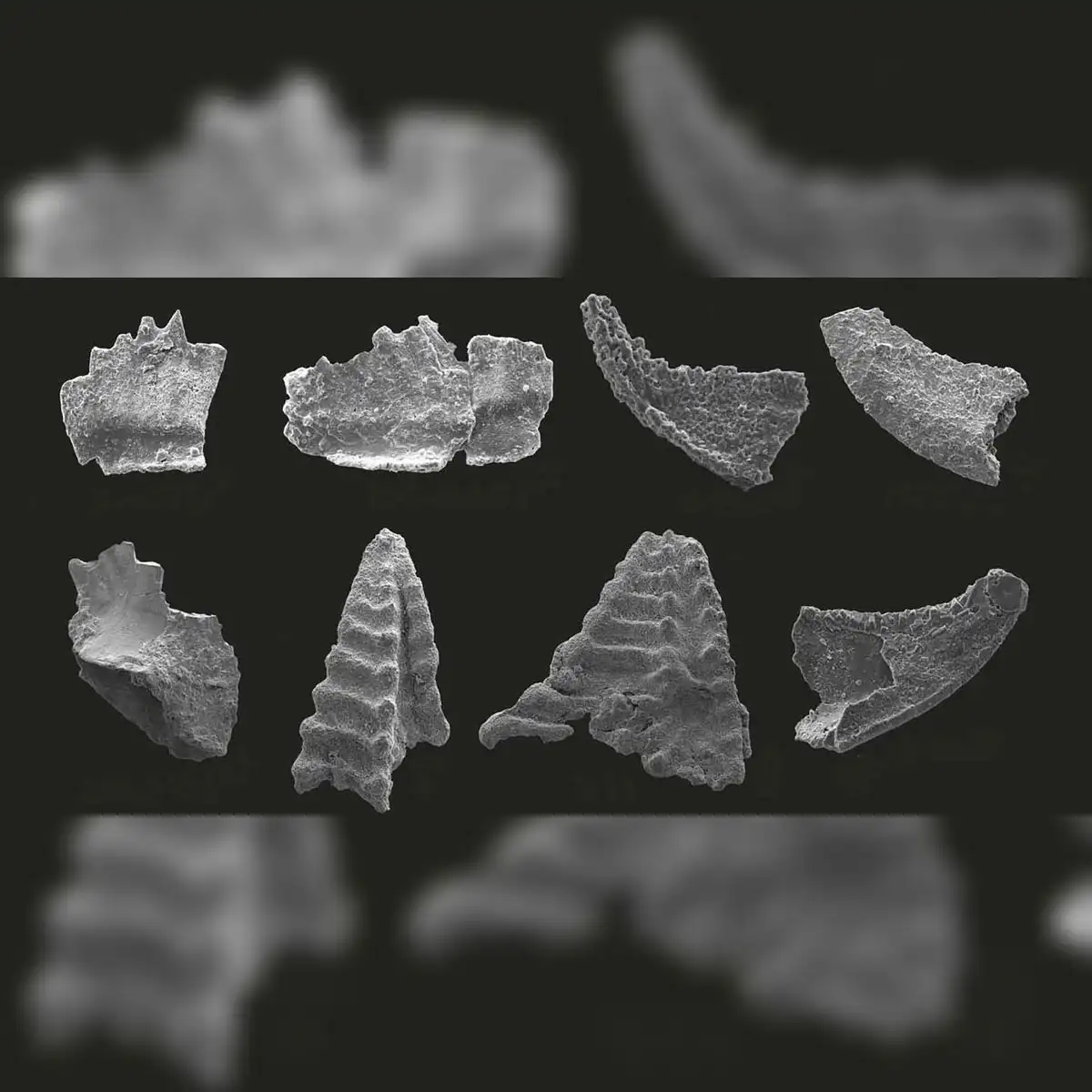
During research published in the 1960s, Swiss geologist Augusto Gansser documented the micro-remains of crinoids, which are relatives of starfish, near the summit.
A subsequent review published in the Journal of the Geological Society noted that petrographic analyses had identified fragments of trilobites and ostracods trapped in the calcareous material. These sediments accumulated in a warm tropical ocean during the Middle Ordovician period.
The International Union of Geological Sciences said the highest rocks on the planet contain brachiopods, conodonts and crinoids belonging to ecosystems that flourished during the Great Ordovician Biodiversification Event. The presence of these organisms shows that the material forming the summit originated underwater long before the terrain was elevated.
Origins of the Himalayan strata
The age of the rock layer was established in the 1970s by examining equivalent strata in accessible areas of Tibet.
Research published in the Geological Society of America Bulletin linked the Qomolangma deposits to Ordovician samples found in Nyalam, 75 kilometres away. The study also revealed a 60-metre-thick fossilised microbial structure located just 70 metres from the highest point, confirming the original marine environment.
Mount Everest itself was formed by the violent collision of the Indian and Eurasian tectonic plates between 50 and 55 million years ago.
Because both continental landmasses had a similar density, the impact did not cause either plate to fully subduct. The immense compression instead crumpled and stacked large blocks of the lithosphere, pushing ancient marine sediments upward to create the Himalayan mountain range, according to data from the United States Geological Survey.
Isostatic rebound and elevation
A 2024 study published in Nature Geoscience found that the peak is still undergoing structural changes.
Intense erosion caused by the Arun and Kosi river basins has removed massive volumes of rock over the past 89,000 years. After being freed from this weight, the Earth's crust reacted with an isostatic rebound, a phenomenon similar to a ship rising in the water after unloading cargo.
This rebound has added between 15 and 50 metres to the mountain's current elevation and continues to provide a constant vertical lift of two millimetres per year.
At an official altitude of 8,848.86 metres, the peak is about 250 metres taller than the adjacent mountain in the Himalayas. Adam Smith, an expert at University College London, said that as the nearby river system cuts deeper, the loss of material causes the mountain to rise even further.
The sheer scale of the natural monument is the result of a combination of tectonic upward pressure, crustal thickening, and the loss of mass through water erosion, in a constant battle against the wearing effects of ice, wind and water.