

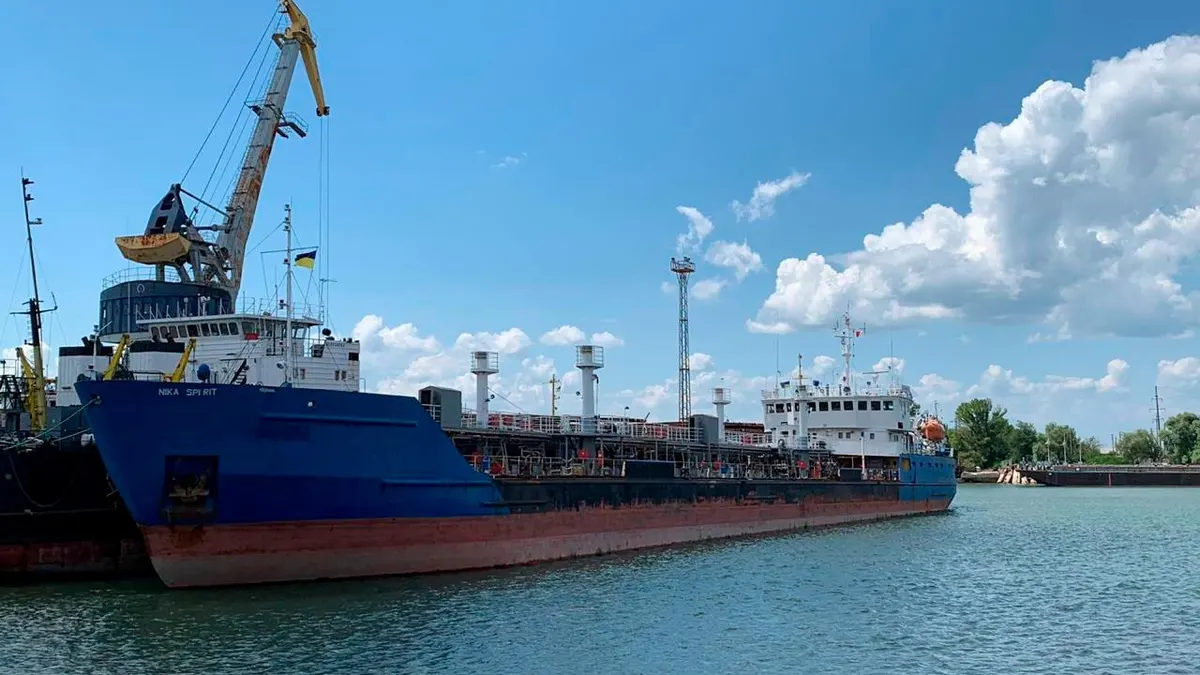
Morocco received almost 74,000 tonnes of Russian diesel and gasoil in the week ending November 5, according to shipping data from S&P Global Commodities at Sea cited by the Russian business newspaper Kommersant. The figure places Rabat among the top markets for Russian refined-product exports, even as Moscow keeps restrictions on such sales in place and Ukraine continues to strike Russian refineries.
The shipments arrived despite Russia's own curbs on exporting fuel, in what the data describe as a broader resumption of deliveries from Moscow.
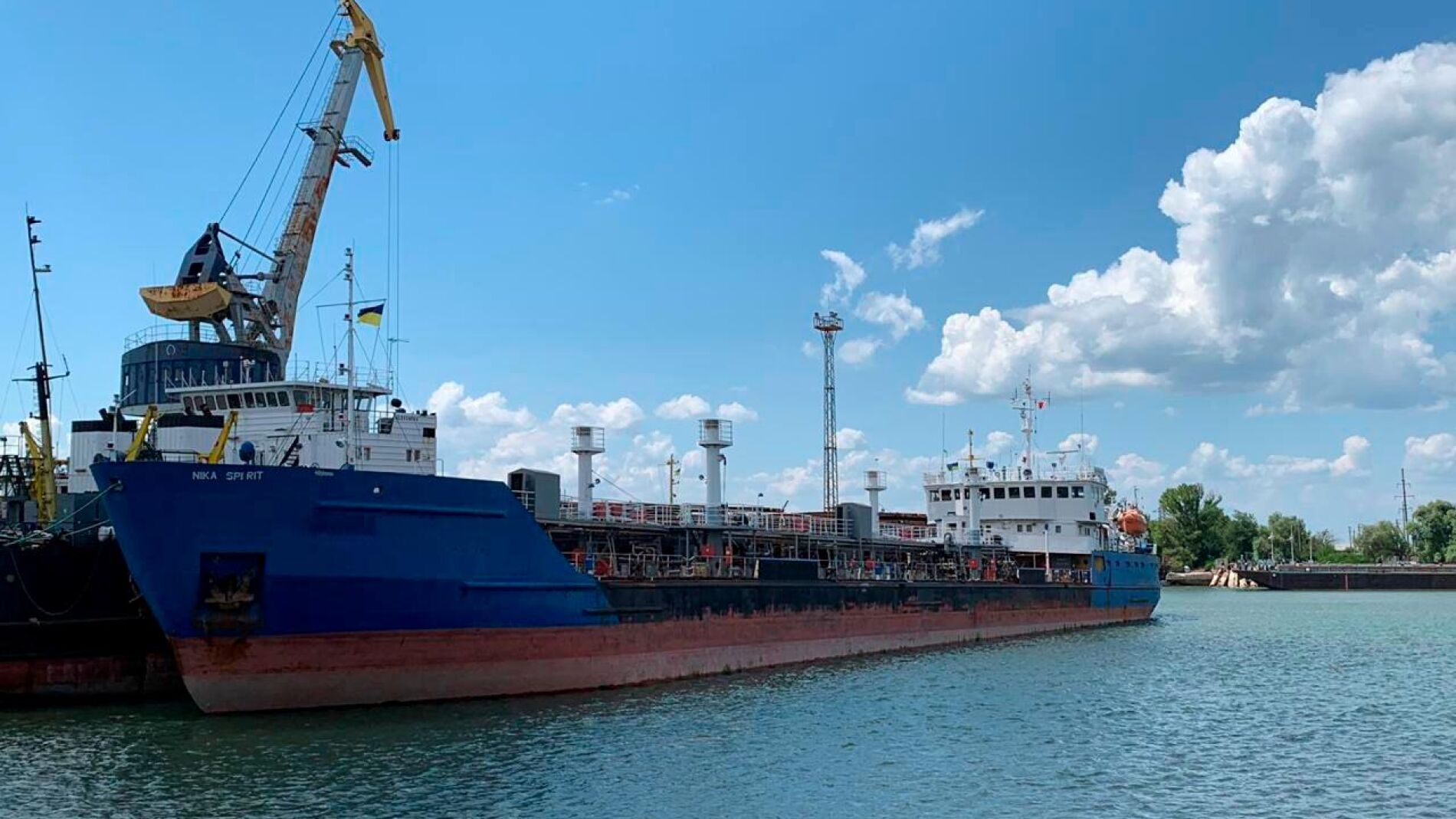
Morocco has no domestic oil refinery in operation after the country's only plant, the Samir refinery in Mohammedia, shut down in 2015, leaving it reliant on imported fuel to meet demand.
Morocco Among Top Three Buyers
The nearly 74,000 tonnes sent to Morocco accounted for close to 18% of the 410,000 tonnes of diesel and gasoil Russia exported during the week in question, the data show.
The United States was the largest destination, taking 141,000 tonnes, followed by Singapore with 87,000 tonnes. Morocco ranked third, ahead of Turkey, which received 43,000 tonnes.
The increase in deliveries came amid a wider recovery in Russian exports. Diesel and gasoil volumes loaded during the week rose 14.5% compared with the previous week, when they stood at 358,000 tonnes, according to the data cited by Kommersant.
Export Restrictions Remain, With Exceptions
The resumption of shipments to Morocco coincides with restrictions that Russia continues to apply to its exports of petroleum products. Moscow has extended until January 31, 2027 a general ban on exporting certain refined products, including diesel, gasoil and marine fuels.
Exceptions are nonetheless foreseen for specific exporters and shipments, which has allowed cargoes such as those bound for Morocco to continue moving.
Novak Points to Rising November Volumes
Russian Deputy Prime Minister Alexander Novak said diesel exports could reach approximately 2.15 million tonnes in November, compared with 510,000 tonnes in October. Novak oversees Russia's energy sector within the government.
The jump in volume reflects a partial easing of the restrictions that was decided in October, following talks between Russian President Vladimir Putin and U.S. President Donald Trump.
Where the Cargoes Were Loaded
The largest shipments of the week left from the port of Primorsk on the Baltic Sea, which handled 193,000 tonnes. Primorsk is one of Russia's main oil export terminals on the Baltic coast.
Nakhodka, in Russia's Far East, followed with 67,000 tonnes, ahead of Taman, on the Black Sea, with 37,000 tonnes, and Vysotsk, also on the Baltic, with 30,000 tonnes.


