First-time homebuyers in Brazil can access federal subsidies of up to R$ 55,000 through Minha Casa, Minha Vida alongside state grants, tax breaks, and MRV installment plans.
Combining federal, state, and municipal housing incentives with builder financing allows buyers to lower initial down payment costs, cut mortgage interest rates, reduce notary fees, and organize household budgets.
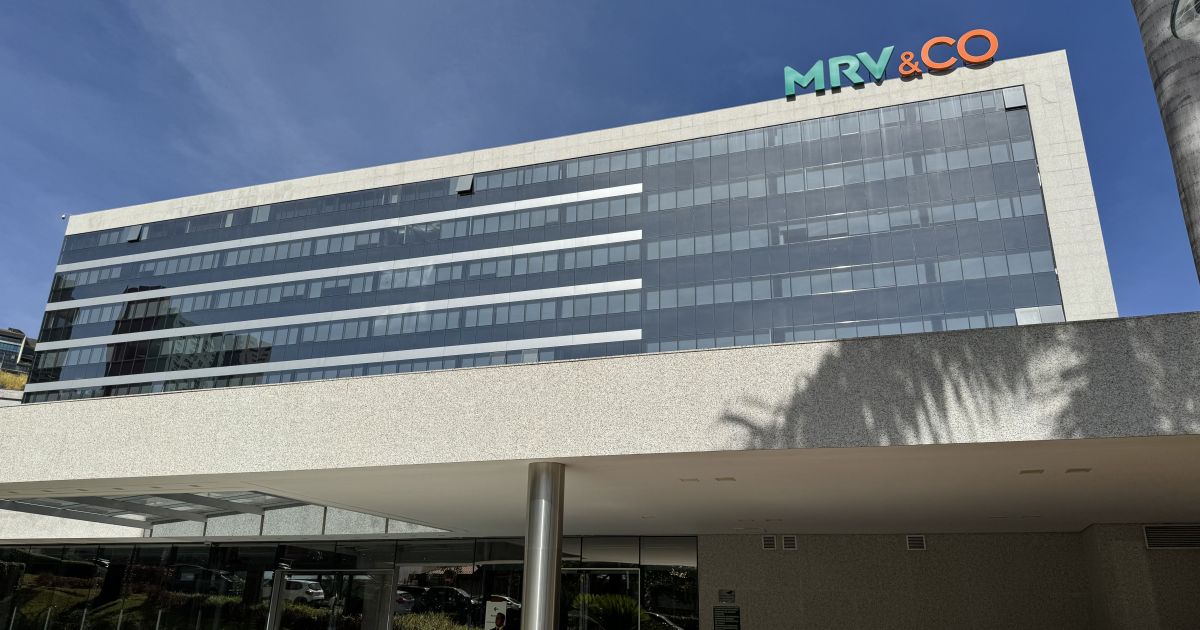
MRV, one of Brazil's largest residential construction companies, offers a nationwide portfolio of affordable developments across the country. Headquartered in Belo Horizonte and listed on the B3 stock exchange, the company builds entry-level apartments designed to help tenants move from rent into homeownership under public housing rules.
Federal Minha Casa, Minha Vida subsidies and notary discounts
Federal housing incentives in Brazil focus on cutting mortgage costs and supporting families eligible for Minha Casa, Minha Vida (MCMV). Launched in 2009, MCMV is the federal government's primary affordable housing program for low- and middle-income households.
The program grants a direct subsidy of up to R$ 55,000 toward a property's purchase price alongside interest rates below traditional market levels. Eligibility, subsidy amounts, and rates depend on the buyer's income bracket and property value caps.
Buyers can also tap balances held in the Severance Indemnity Fund (Fundo de Garantia do Tempo de Servico, or FGTS), a mandatory employer-funded severance account for Brazilian workers. Accumulated FGTS funds can cover the down payment, reduce the total principal financed, or amortize an existing loan balance.
First-time buyers financing a home through the Housing Finance System (Sistema Financeiro da Habitacao, or SFH) also receive a 50% discount on notary and registry fees (emolumentos) for the public deed and property registration. Created in 1964, the SFH regulates Brazilian mortgage lending, while Article 290 of the Public Registries Law (Law No. 6,015/1973) guarantees the fee reduction.
Buyers can check federal terms at branches and portals of Caixa Economica Federal, Banco do Brasil, and the Ministry of Cities (Ministerio das Cidades). To receive the 50% fee discount, buyers must submit a written request directly to the Real Estate Registry Office (Cartorio de Registro de Imoveis) upon contract registration.
State housing vouchers and down payment grants
Brazilian state governments supplement federal loans through regional programs integrated with MCMV under the MCMV Cidades counterparts modality. Several states issue housing vouchers (cheque-moradia) and financial grants to help families cover bank down payment requirements and lower operational contract costs.
Seven states run dedicated down payment programs with online consultation portals:
- Amazonas (Meu Lar): Grants subsidies to families earning up to R$ 4,400 monthly to facilitate home financing, detailed on the Programa Amazonas Meu Lar website.
- Ceara (Entrada Moradia): Provides a R$ 20,000 state government subsidy for MCMV-financed properties via the Programa Entrada Moradia website.
- Mato Grosso do Sul (Ser Familia Habitacao): Offers variable down payment subsidies based on gross monthly family income brackets through the MTPar website.
- Parana (Casa Facil Parana): Supplies direct down payment aid to families meeting Parana Housing Company (Cohapar) rules on the official Cohapar website.
- Pernambuco (Morar Bem PE): Grants a state subsidy of up to R$ 20,000 toward a first-home down payment on the State Housing and Works Company (CEHAB-PE) portal.
- Rio Grande do Sul (Porta de Entrada): Provides a R$ 20,000 subsidy to compose or reduce the mortgage down payment via the Programa Porta de Entrada website.
- Sao Paulo (Casa Paulista): Combines state subsidies with MCMV for families earning up to three minimum wages, managed by the Sao Paulo State Secretariat for Housing and the Metropolitan Housing and Urban Development Company (CDHU).
In other states, buyers must check local terms with State Housing Secretariats (Secretarias Estaduais de Habitacao) and State Housing Companies (COHABs).
Municipal real estate transfer tax exemptions
Municipal incentives reduce or waive mandatory local purchase taxes, chiefly the Real Estate Transfer Tax (Imposto de Transmissao de Bens Imoveis, or ITBI). Levied by Brazilian cities on property transfers before a deed can be recorded, the ITBI has no national first-home exemption rule, leaving each city hall (prefeitura) to set its own tax code.
Three state capitals offer specific ITBI reductions on their municipal websites:
- Sao Paulo (SP): Grants a full ITBI exemption on a first residential purchase if the property's assessed tax value (valor venal) falls within the statutory cap, which is adjusted annually and has stood historically near R$ 245,000.
- Belo Horizonte (MG): Provides a full exemption for residential properties with an assessed tax value up to R$ 74,500, or progressive discounts including a 1.5% reduced rate or a 50% discount tied to entry-level brackets and social housing programs (PPFHIS).
- Porto Alegre (RS): Applies reduced tax rates to the portion of the property price financed through the SFH, lowering the buyer's tax cost.
In other cities, buyers must consult the municipal finance portal or Municipal Finance Secretariat (Secretaria Municipal de Fazenda) where the property sits. Both the simulation and the tax exemption request must be filed before the city issues the definitive tax payment slip.
Bank mortgage simulators and MRV payment terms
Workers can combine their FGTS balance with down payment savings or use it to amortize financing after checking their borrowing capacity and required deposit (sinal) through official bank simulators.
State-owned Caixa Economica Federal, Brazil's main housing credit and MCMV operator, offers the Caixa Housing Simulator (Simulador Habitacional Caixa). State-controlled Banco do Brasil provides simulation tools for both account holders and non-account holders, while private lenders Itau, Bradesco, and Santander run digital platforms that calculate interest rates by credit score and income bracket.
While Brazil's traditional property market typically demands an immediate 20% down payment upon signing, MRV allows first-time buyers to split the down payment directly with the builder into up to 60 monthly installments, easing the pressure on household budgets.
MRV's credit review also accommodates self-employed and informal workers by accepting bank statements, credit card bills, and income tax returns as proof of income. Because MRV projects frequently meet MCMV guidelines, eligible buyers can access federal price subsidies, reduced interest rates, and loan terms up to 420 months (35 years).
Public housing program rules and eligibility criteria remain distinct from the commercial terms that govern direct down payment financing with MRV.