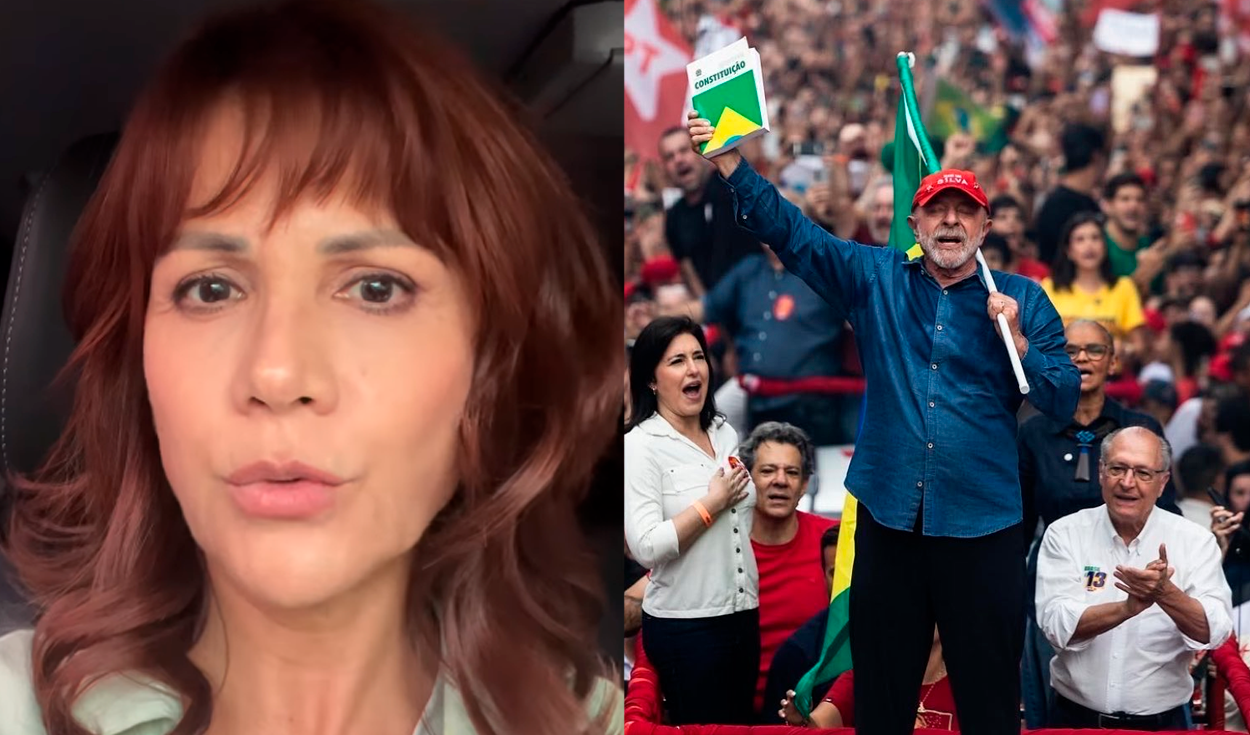
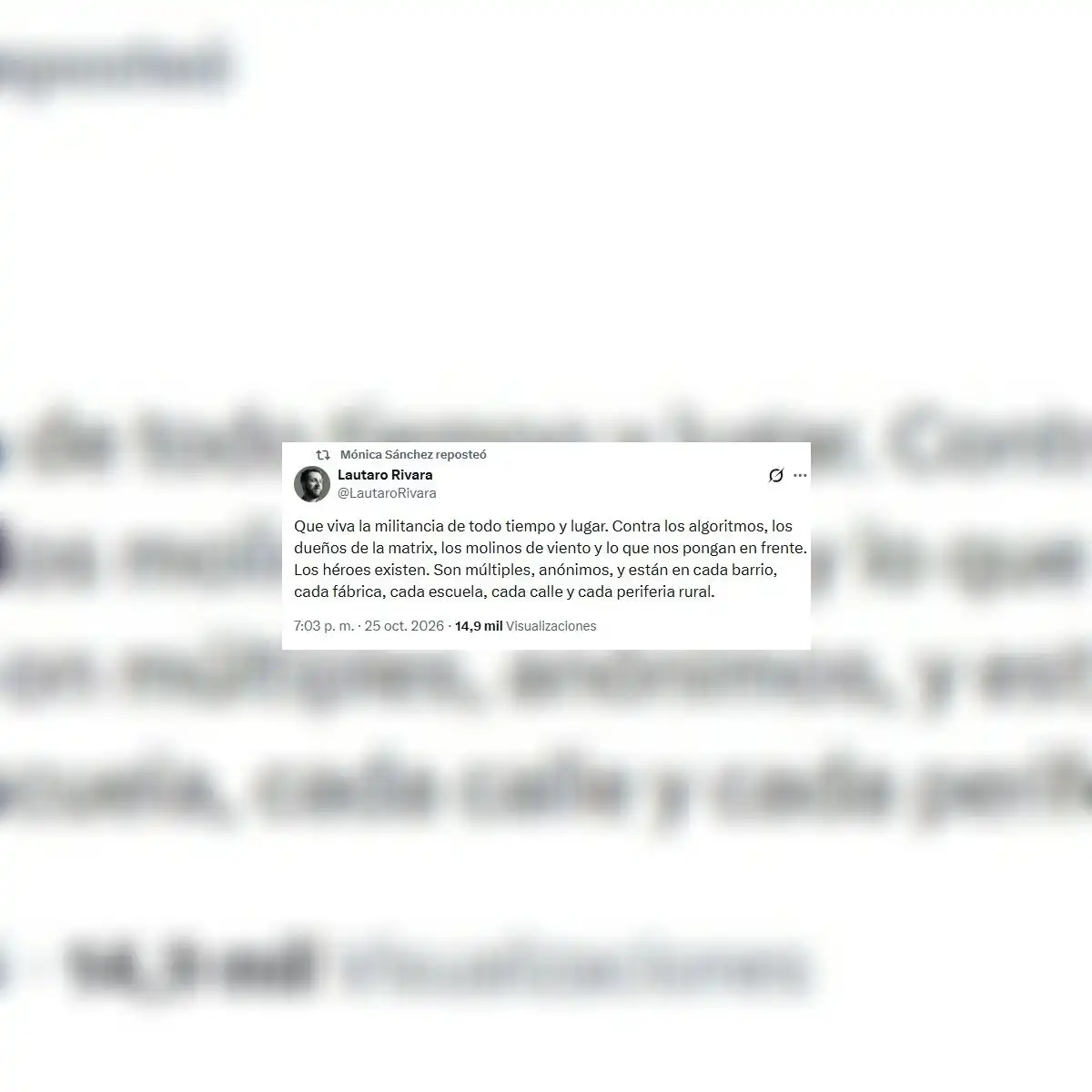
Peruvian actress Monica Sanchez has publicly celebrated Luiz Inacio Lula da Silva after his presidential election victory over Flavio Bolsonaro in Brazil. The performer joined observers across South America responding to the official second-round results, circulating a message on social media that praised community organising and declared that heroes exist.
Official tallies released by Brazil's Superior Electoral Court confirmed that Lula, representing the Workers' Party, won 51.79 percent of valid votes, representing 64.2 million ballots. Bolsonaro secured 48.21 percent, totaling nearly 59.8 million votes, in a closely fought runoff election held on Sunday, October 25.
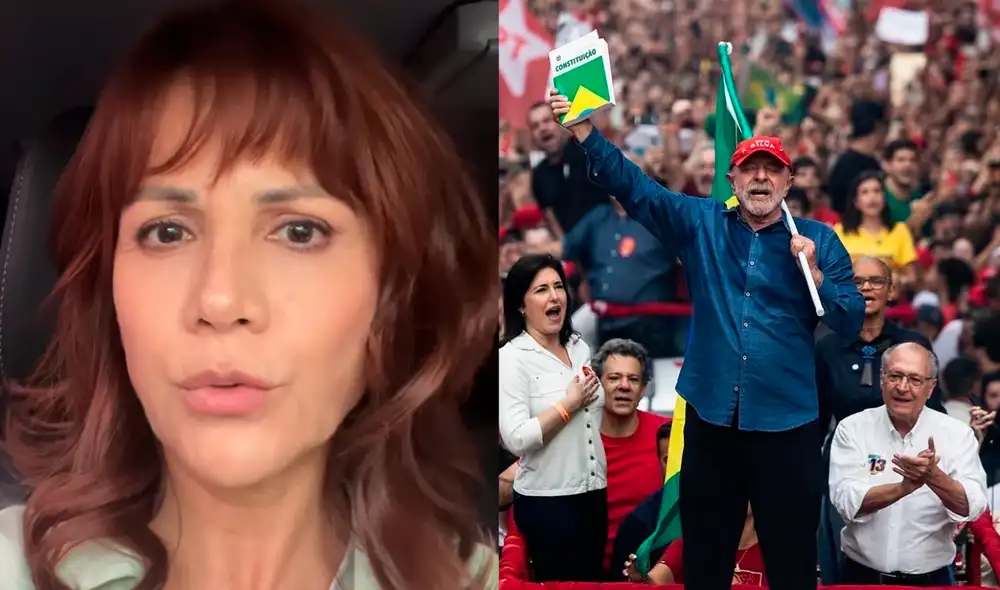
Sanchez, widely known to television audiences throughout Peru for her long-standing screen roles, shared her reaction on her official X account as congratulations and commentary poured in from across the region. The post attracted widespread public attention amid a tense political climate across South America.
Message on Popular Activism
In the post shared online, Sanchez highlighted a written reflection on political engagement that celebrated popular organising and civic participation across all periods and locations. The text praised ordinary citizens who push back against technological algorithms, corporate media power, and political obstacles, describing everyday people as anonymous heroes present in every neighbourhood, factory, school, street, and rural periphery.
The passage distributed by the actress was not written by Sanchez herself. The original text was authored by Lautaro Rivara, an Argentine journalist and international analyst who specialises in Latin American geopolitics and Caribbean history. Rivara's essay emphasised the decisive impact of social movements and citizen mobilisation, focusing on the collective role of ordinary voters in shaping national political outcomes.
Sanchez drew attention to the core sentiment that heroes exist, prompting discussion among followers who have tracked her public statements over several decades. Her decision to share the reflection reflected a broader trend among Latin American cultural figures who publicly engaged with the high-stakes Brazilian campaign.
Political Engagement in Peru
The online commentary was not the first time Sanchez has made her political viewpoints known. In Peru, the actress has established a long record of addressing national politics, frequently taking critical stances against Fujimorismo, the conservative political movement established by former president Alberto Fujimori that remains a defining force in Peruvian public life.
Sanchez has consistently defended the democratic right of citizens to cast their ballots freely and spoken out against social discrimination directed at people with differing political opinions. During Peru's 2026 electoral contest, she publicly backed voters who supported left-wing political figure Roberto Sanchez, rejecting criticisms directed at his electorate and describing those attacks as racist and classist.
Her public stances have also extended to cultural governance. Sanchez previously opposed the creation of a formal professional college for artists in Peru, arguing that artistic culture is built from the streets and community spaces rather than state bureaucratic institutions.
Alongside her civic interventions, Sanchez remains one of Peru's most prominent acting figures. She earned widespread national acclaim for portraying the character Charito on the hit television series Al fondo hay sitio, an América Televisión daily comedy that became one of the most viewed series in Peruvian broadcasting history. She recently returned to theatre, appearing in the production Las irresponsables alongside actresses Johanna San Miguel and Norma Martinez following a brief hospital stay caused by an accidental stage fall.
Brazil Presidential Election Results
The Brazilian election on Sunday concluded a deeply polarised contest between two starkly contrasting political coalitions. The runoff pitted Lula, a veteran trade union leader and former head of state who returned to power under the Workers' Party banner, against federal senator Flavio Bolsonaro, the eldest son of former right-wing president Jair Bolsonaro.
According to the official count published by Brazil's Superior Electoral Court, known as the TSE, Lula achieved a historic comeback by capturing 51.79 percent of the vote. The electoral authority registered a margin of more than 4.4 million votes separating the two candidates, concluding a high-turnout election in South America's largest country.
The outcome echoed across borders because Brazil holds significant diplomatic and economic weight in South America. The election took place in a regional environment where conservative and right-wing political factions have expanded their influence, making the Brazilian vote a focal point for political and cultural observers in neighboring nations such as Peru.
Legal Challenges and Next Steps
After election authorities certified the preliminary results, Lula addressed the public to acknowledge the victory. The president-elect stated that the outcome marked a defeat for political denialism and expressed his gratitude to the tens of millions of citizens who turned out to support his campaign.
Bolsonaro refused to concede the election and announced that he would not accept the published result. The conservative challenger stated that his campaign would initiate formal legal proceedings to seek the annulment of the vote, asserting that electoral officials erred by extending voting hours at select polling places on election day.
The announced legal challenge directs the dispute toward Brazil's electoral courts for judicial review. Electoral authorities and regional observers continue to monitor the formal certification process, while supporters and commentators across Latin America await the resolution of the court filings.