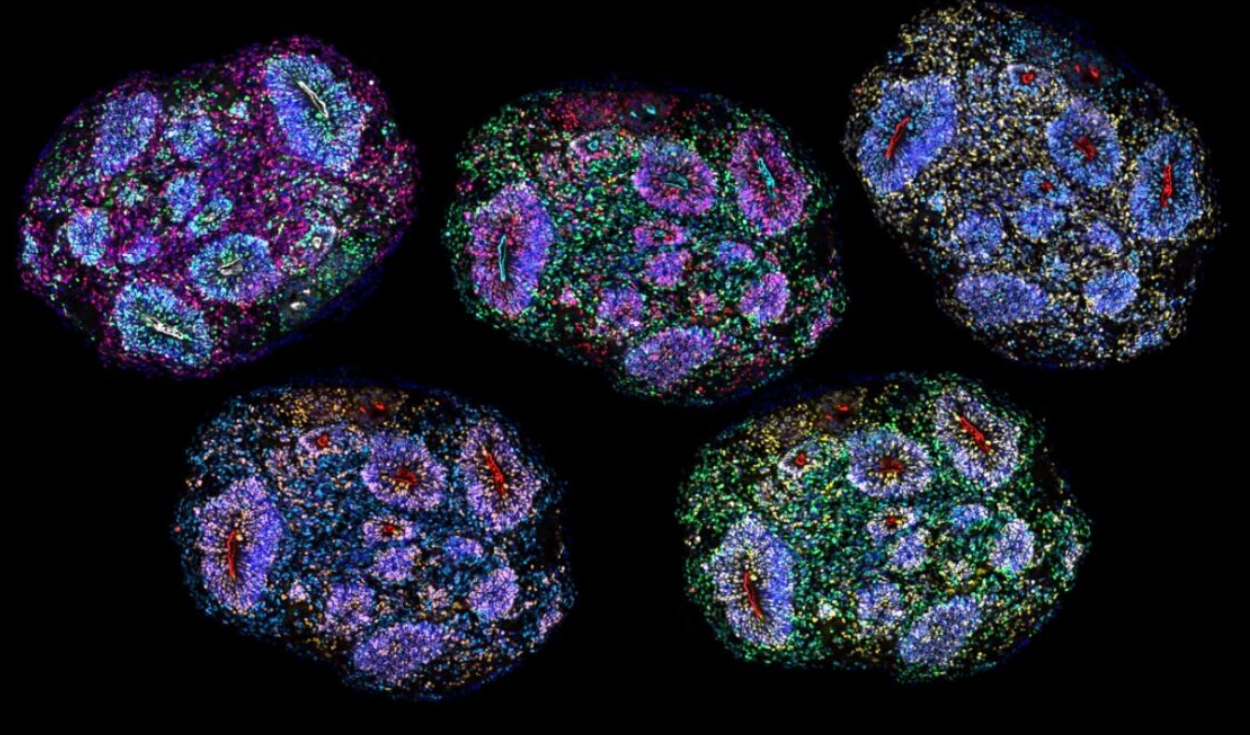
Scientists have grown miniature human brains derived from stem cells that can perceive the passage of time and record their biological maturation over nearly six years, according to a study published in Nature.
The landmark research maintained the active three-dimensional cell clusters, known as organoids, for almost six years in laboratory conditions. Previous experiments with similar structures typically expired after only a few weeks or months.
The human brain contains approximately 86 billion neurons and trillions of neural connections, taking nearly two decades to reach full maturity. Studying this developmental process directly after birth has long presented a major challenge for neuroscientists due to the physical barrier of the skull and the extended timeline of human growth.
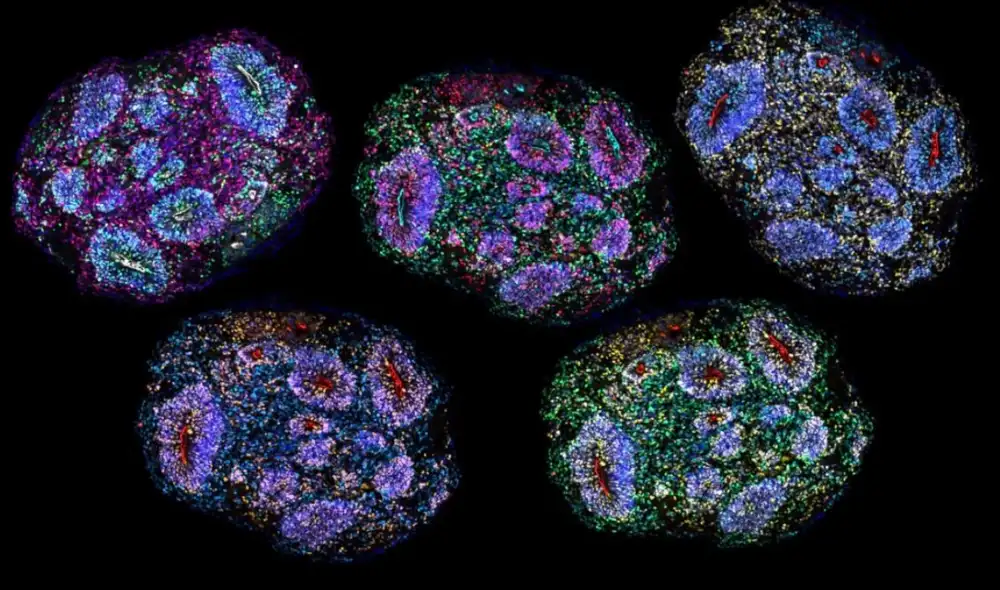
To overcome those barriers, researchers cultured small three-dimensional tissue models using stem cells. Stem cells are master cells capable of developing into specialized cell types, while brain organoids reproduce key structural aspects of living brain tissue inside laboratory vessels.
Researchers confirmed that the cellular diversity within the mini-brains retains an internal biological clock. The organoids preserved a living archive of their developmental trajectory, giving scientists unprecedented access to previously hidden stages of human brain development.
Tracking biological age with genetic clocks
The research team evaluated dozens of cellular cultures using genetic analysis tools, microscopic imaging and electrophysiological readings. By examining specific marks on cellular DNA as epigenetic clocks, scientists verified that the laboratory samples followed a temporal schedule identical to that of human organs.
Epigenetic clocks measure biological aging by analyzing biochemical changes, such as DNA methylation patterns, that accumulate on genetic material over time. Unlike chronological age, these molecular markers reflect how old a tissue actually behaves and functions.
To test whether the cells genuinely remembered their biological age, investigators separated organoids from different developmental stages and combined their components into hybrid structures known as chimeroids. The individual cells retained their internal age records despite being disassembled.
Cellular progenitors with longer temporal histories resumed their activity precisely where they had stopped. Older cells produced mature astrocytes in just two weeks, a developmental task that normally requires two months under standard biological conditions.
Simulating nerve fluid and neuronal gymnastics
Keeping fragile mature neurons alive for almost six years required overcoming complex technical hurdles. To prevent progressive cellular degeneration, specialists developed a continuous stimulation technique that maintained connections in a state of constant, spontaneous discharge, functioning as a physical exercise routine for the cells.
The team also created a customized chemical medium designed to simulate the natural fluid of the human central nervous system. This environment promoted the growth of vital supporting cells, including astrocytes and oligodendrocytes.
Astrocytes play an essential role in maintaining the blood-brain barrier, a protective filter that prevents harmful substances in the bloodstream from entering brain tissue. Oligodendrocytes synthesize myelin, a protective fatty sheath that insulates nerve fibers to ensure efficient electrical signalling between brain cells.
The long-term culture technique provides a non-invasive experimental platform to examine the structural and functional mechanisms of postnatal brain maturation. In their report, the authors concluded that organoids grown on extended timelines and the resulting data form a powerful system for studying neoteny, human evolution and the subtle mechanisms that govern the mind.
Neoteny refers to the evolutionary delay of developmental milestones, allowing human brain maturation to extend deep into childhood and adolescence. The study was published in Nature, a peer-reviewed scientific journal based in the United Kingdom.