

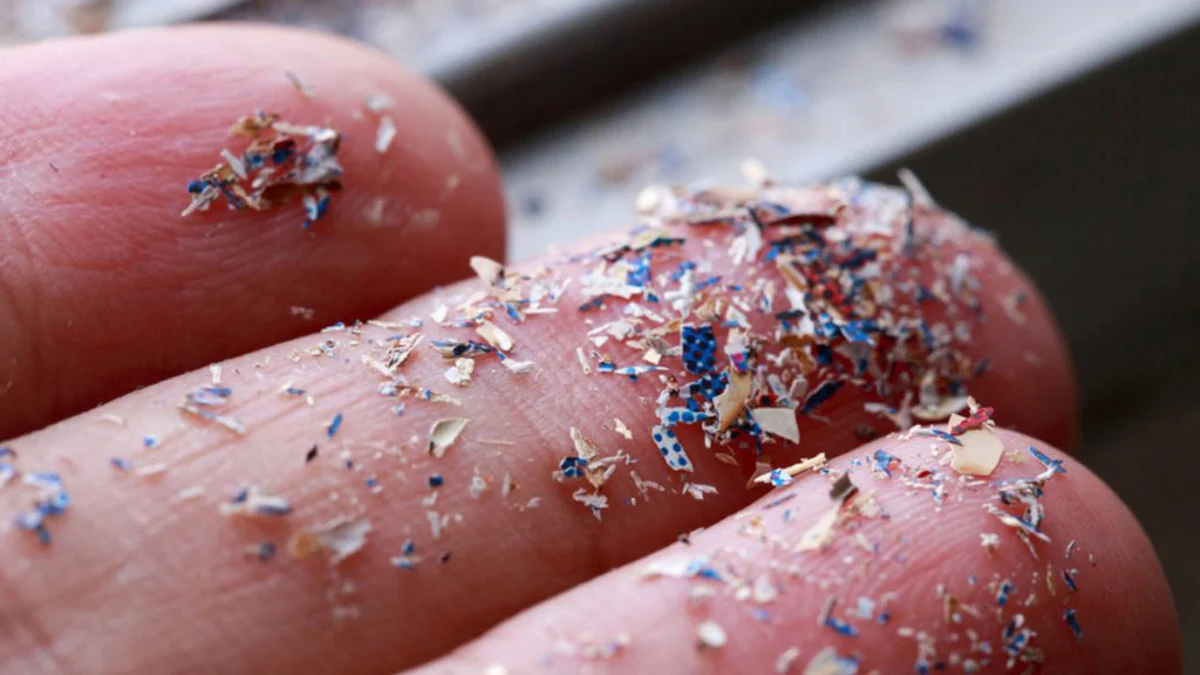
Microscopic plastic particles are accumulating in human brain tissue at higher concentrations than in any other organ in the body, according to new research conducted by scientists at the University of New Mexico.
The study revealed that the concentration of plastic detected in human brain tissue samples surged by nearly 50 percent over an eight-year period between 2024 and 2026, directly reflecting the accelerating pace of global plastic waste generation.

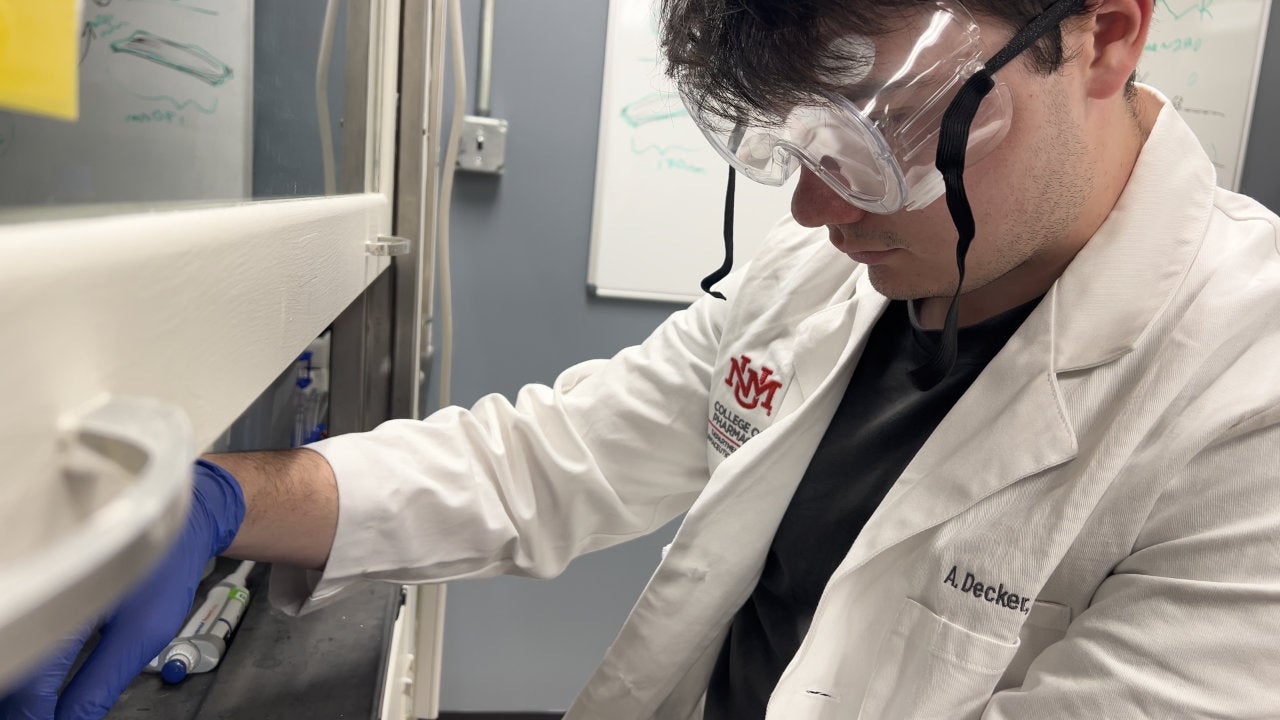
Researchers led by toxicologist Matthew Campen analyzed autopsy brain tissue samples to evaluate how environmental pollution is penetrating internal human organs. While scientists previously knew that microplastics contaminated drinking water, ambient air, and human food supplies, prior examinations had primarily identified their presence in organs such as the liver, kidneys, and placenta. The latest findings demonstrate that brain tissue now harbors unprecedented levels of synthetic debris.
Microplastics are synthetic polymer fragments measuring less than five millimeters in diameter, produced through the degradation of commercial products and industrial waste. The University of New Mexico, a public research institution located in Albuquerque, houses specialized environmental toxicology laboratories that investigate how chemical pollutants and synthetic materials interact with human biological systems.
Rapid accumulation in neuronal tissue
Campen expressed deep concern over the data gathered during the autopsy analyses, admitting that the findings fundamentally alter the understanding of plastic pollution by making it an intimate human health issue. He stated that he had never anticipated detecting such elevated concentrations of synthetic material in human tissue and remarked that he found no amusement in carrying such a substantial quantity of plastic inside his own head.
According to the toxicology team, the discovery ought to serve as an urgent wake-up call regarding the physiological consequences of global plastic consumption. The team noted that the rapid increase in cerebral plastic deposits directly tracks the broader expansion of worldwide plastic manufacturing and environmental waste accumulation.
The study, which was published in the peer-reviewed scientific journal Nature Medicine, highlights how microscopic debris circumvents biological defenses. Nature Medicine is a leading international academic publication that specializes in biomedical research, publishing peer-reviewed studies on human disease mechanisms and clinical developments.
Nanoplastics and the blood-brain barrier
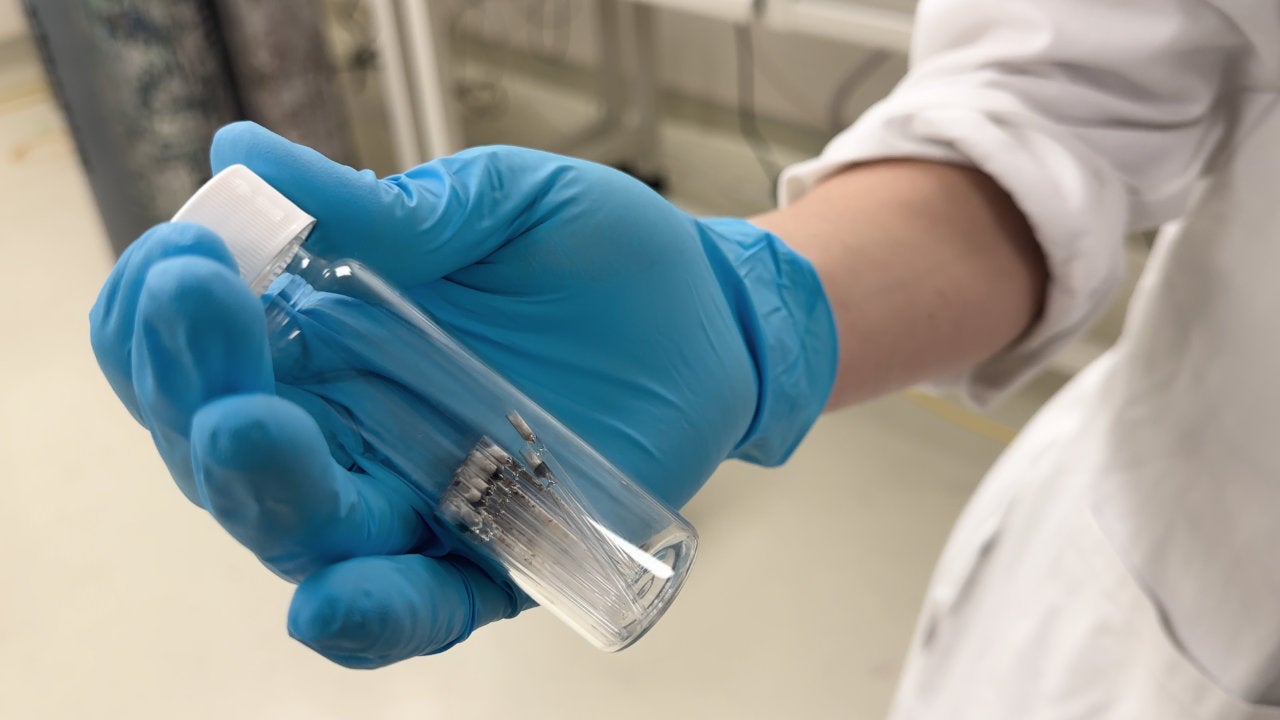
A central finding of the investigation involves the minuscule size of the contaminating debris. The researchers discovered that the accumulated material consists predominantly of nanoplastics, which are microscopic fragments measuring only a few hundred nanometers wide.
At this nanoscale size, the particles are comparable in dimension to certain viruses. Scientists explain that this microscopic scale allows the fragments to bypass the blood-brain barrier, the physiological shield composed of specialized blood vessels and tissue that normally protects brain tissue from toxic substances circulating in the blood.
Using advanced microscopy techniques, the scientific team examined the brain mass and identified up to 12 distinct polymer types embedded within the tissue. Polyethylene, the versatile polymer most frequently utilized in manufacturing disposable shopping bags, plastic bottles, and food packaging, emerged as the most prevalent material in the analyzed samples. Although scientists observed these residues trapped within brain tissue, the exact mechanism by which they travel to the brain and their precise long-term health effects remain under investigation.
Polyethylene is the most widely manufactured plastic in the world, valued across commercial industries for its durability, low cost, and resistance to moisture. When larger polyethylene items degrade in the environment through exposure to sunlight, weathering, and mechanical friction, they fragment into microplastics and eventually into nanoplastics, which measure less than one micrometer across.
Links to neurodegenerative conditions
The investigation also uncovered a troubling correlation involving neurodegenerative disease. Autopsy samples taken from individuals diagnosed with dementia contained up to 10 times more plastic material than brain samples from individuals without the condition.
However, the study authors emphasized the need for caution when interpreting this correlation. They pointed out that the data does not prove that plastic accumulation causes dementia, as the high concentration of polymers could simply represent a consequence of existing brain tissue breakdown and cellular deterioration.
Regarding potential health impacts, Campen explained that the primary danger may stem from physical disruption rather than chemical toxicity alone. As foreign objects inside the body, nanoplastics could physically obstruct blood flow through delicate capillary vessels, interfere with electrical signal transmission between neurons, or accelerate ongoing neurodegenerative pathways.
Contamination routes and future prospects
Dietary intake appears to be the primary gateway through which plastic enters the human body. Agricultural crops absorb water contaminated with microplastic residues, which then transfer into livestock and accumulate throughout the food chain before reaching human dining tables.
In addition to ingestion, humans inhale thousands of airborne microplastics each day, exposing lungs and respiratory systems to constant particle absorption. Scientific research demonstrates that airborne particles enter bodily fluids before circulating toward vital organs.
The research team warned that there is no immediate fix for the contamination crisis. Even if global plastic production were halted completely tomorrow, existing environmental waste will continue to degrade over coming decades, multiplying the quantity of invisible nanoplastics in the air, water, and food supply.
Campen concluded that discovering synthetic plastic inside human brain tissue alters public perception of environmental pollution. The presence of plastic inside human heads transforms pollution from a distant ecological concern affecting oceans and marine wildlife into an immediate internal crisis, making it urgent for medical science to determine its long-term biological consequences.



