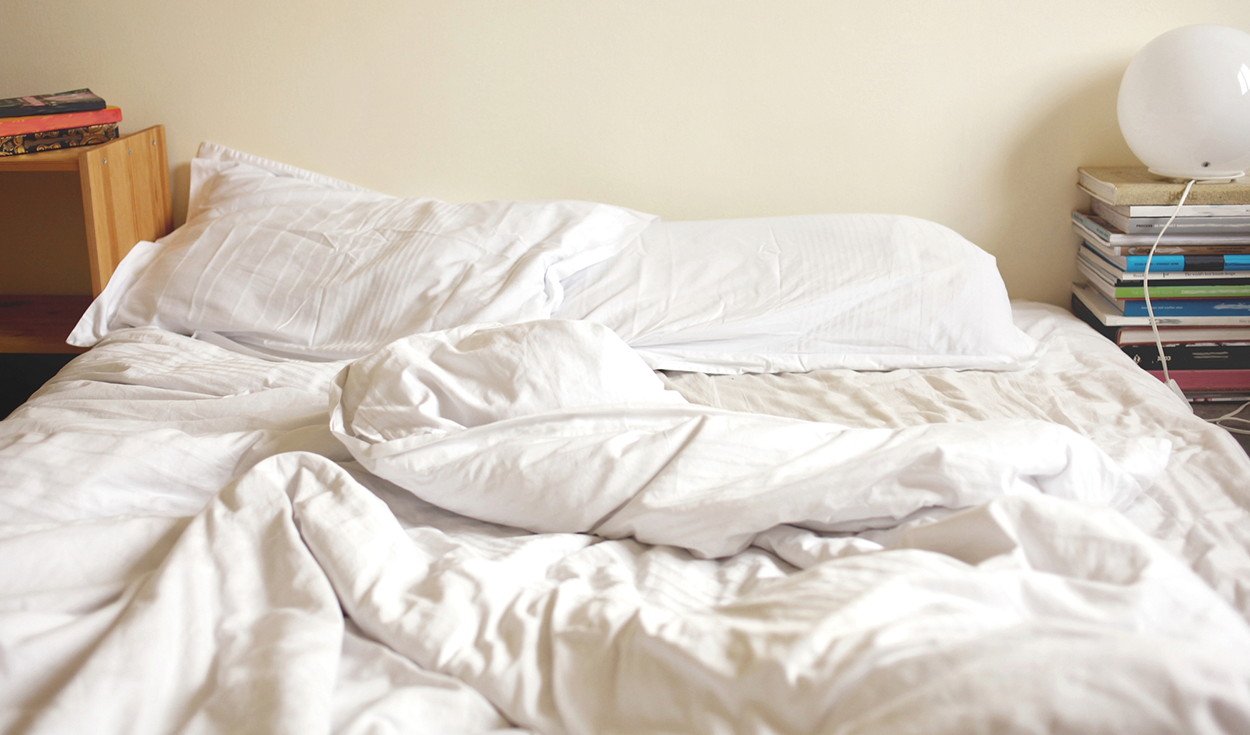
A microbiologist has set out exactly how often sheets, pillowcases, blankets and duvets should be washed, warning that dirty bedding is not just an aesthetic issue but a health one.
Primrose Freestone, a senior lecturer in clinical microbiology at the University of Leicester, wrote in The Conversation that people spend close to a third of their lives in bed, making the cleanliness of that space more important than it might seem. She said sheets can look clean while still holding sweat, body oils, skin cells and microorganisms picked up overnight.
Freestone said a clean, welcoming bed with spotless sheets, soft pillowcases and fresh blankets not only feels good but also supports better sleep.
What builds up in sheets overnight
According to Freestone, the body sheds hundreds of thousands of skin cells every night, releases oils and can produce a significant amount of sweat, even after showering before bed. Most of that material ends up on sheets, pillows and blankets to varying degrees.
Skin also hosts millions of bacteria and fungi, many of which transfer to bedding as people move during sleep. Freshly produced sweat does not necessarily smell bad, she said, but some skin bacteria, including staphylococci, can break it down and create compounds responsible for unpleasant odors.
During the day, hair and skin can also pick up dust, pollen, pollutants and other allergens that later end up in bed, which can affect sensitive people and contribute to respiratory problems or allergies. Freestone said washing bedding regularly is about more than tidiness given everything that can accumulate in it.
Dust mites feed on shed skin cells
The skin cells shed each night also feed dust mites, microscopic organisms that thrive in warm, humid environments such as bedding and mattresses.
Freestone said the mites themselves are not dangerous, but their droppings are potent allergens that can worsen eczema, asthma and allergic rhinitis.
Fungi can also be found on these items. She said species such as Aspergillus fumigatus have been detected on pillows used over long periods. While they can cause serious lung infections, the risk is particularly relevant for people with weakened immune systems.
The situation changes further when a pet sleeps in the same bed, since animals can bring hair, dander, dirt and occasionally fecal matter, meaning the bedding needs more frequent cleaning, Freestone said.
How often to wash sheets and blankets
Freestone recommends washing sheets and pillowcases once a week. If someone is ill, sweats heavily at night or shares a bed with pets, she said that interval can be shortened to every three or four days.
Blankets and duvet covers should be washed roughly every two weeks, she said, while full duvets can be cleaned every three to four months depending on use.
For mattresses, Freestone recommends vacuuming at least once a week and airing them out every few days. Pillows, meanwhile, should be washed every four to six months, following the manufacturer's instructions.
Best washing temperature for sheets
For washing sheets, Freestone recommends using detergent at a temperature of 60 degrees Celsius or higher, as long as the garment's label allows it. She said thorough drying is also important to prevent moisture from encouraging fungal growth.
Freestone said regular washing removes the buildup of sweat, skin, dust and microbes, which helps reduce allergic reactions, prevent infections and avoid bad odors. She added that since research continues to show the deep effect sleep has on aspects ranging from cardiovascular health to mental clarity, a hygienic sleeping environment is a small but valuable investment in overall wellbeing.