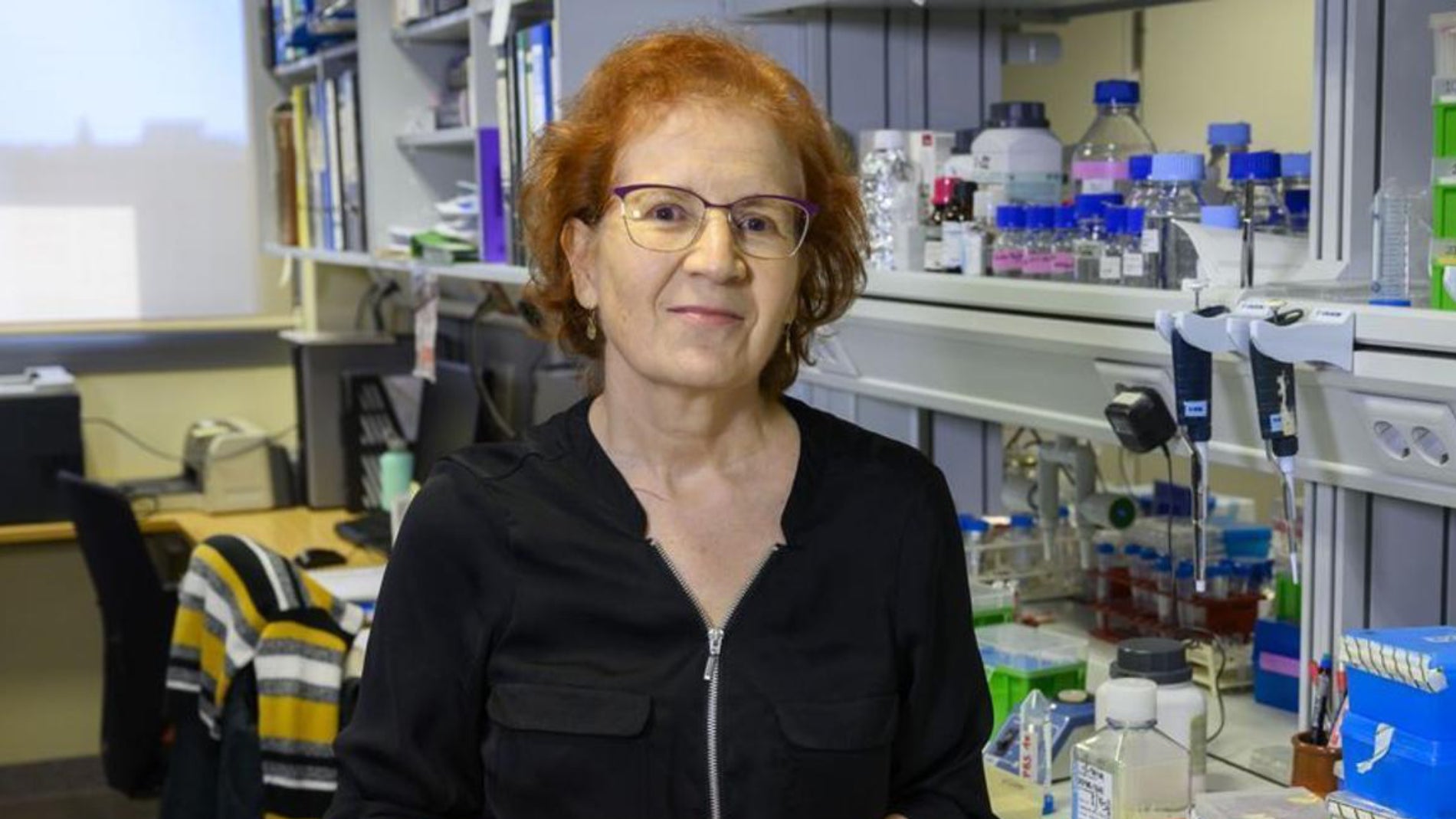
Spanish virologist Margarita del Val has warned that the world faces the real risk of another global pandemic driven by novel viruses or tropical pathogens.
Speaking on the Spanish science outreach podcast Raticos de Ciencia, the immunologist from the Severo Ochoa Molecular Biology Centre stressed that society must not consider the era of biological emergencies over.
Five years after the outbreak of COVID-19, a pandemic that paralyzed global activity and was previously foretold by billionaire philanthropist Bill Gates, scientific institutions are working to fortify public health defenses against future biological threats.
Research centers have recently sought major technical breakthroughs, including a universal respiratory virus vaccine developed at Stanford University to shield against all respiratory pathogens, but Del Val emphasized that structural prevention remains essential.
Emergence of novel pathogens
Del Val outlined two plausible scenarios that could reactivate a global health alert at any moment, beginning with the irruption of an unprecedented infectious agent.
Such an event could involve a novel zoonotic virus jumping from animals to humans or an unknown genetic mutation against which the human population possesses no prior immune memory.
This scenario mirrors the initial emergence of SARS-CoV-2 in 2020, when an immunologically naive human population lacked antibodies to slow rapid viral transmission.
Zoonotic transmission occurs when viruses jump from animal hosts to humans, a phenomenon often driven by habitat destruction, wildlife trade, and land development that force wild species into closer proximity with human communities.
Spread of tropical diseases
The second major risk scenario highlighted by Del Val involves tropical pathogens expanding their geographical footprint and taking root in southern Europe.
Diseases historically confined to warmer, subtropical regions, including dengue fever, zika virus, and West Nile virus, now find direct entry routes into Mediterranean nations.
Dengue, zika, and West Nile virus are vector-borne viral infections spread through mosquito bites, capable of causing debilitating symptoms that range from severe joint pain and high fever to life-threatening neurological conditions.
Del Val identified sustained global warming and intense human hyperconnectivity as the two primary drivers accelerating this geographical expansion.
Climate change and invasive vectors
Rising average global temperatures enable invasive insect vectors, particularly the tiger mosquito, known scientifically as Aedes albopictus, to establish permanent populations in Mediterranean ecosystems.
These invasive mosquitoes previously failed to survive cold European winters, but warmer seasonal temperatures now allow them to breed continuously and overwinter in regions where they could not previously settle.
Del Val supported her assessment by referencing a scientific study titled Climate change increases cross-species viral transmission risk, published in the journal Nature in April 2022.
The study was authored by researchers Colin J. Carlson, Gregory F. Albery, Cory Merow, Christopher H. Trisos, Casey M. Zipfel, Evan A. Eskew, Kevin J. Olival, Noam Ross, and Shweta Bansal.
Nature, published in the United Kingdom, is one of the world's most prestigious peer-reviewed scientific journals, specializing in landmark research across medicine, biology, and environmental sciences.
Global mobility and pathogen travel
Beyond environmental changes, Del Val noted that modern international air traffic and dense commercial supply chains compress the timeframe of pathogen transport to mere hours.
An infected traveler or vector insect can travel across continents faster than the incubation period of most infectious diseases, allowing a localized outbreak to spread internationally before detection.
The virologist highlighted recent collaboration initiatives between the Interdisciplinary Thematic Platform on Global Health of the Spanish National Research Council and the Barcelona Institute for Global Health, known as ISGlobal.
The Spanish National Research Council, abbreviated as CSIC, is Spain's state agency for scientific research, while ISGlobal is a joint research institution dedicated to improving global health and health equity.
Interdisciplinary research and funding
During the June 2025 podcast recording, Del Val explained that researchers gathered to evaluate lessons learned from the coronavirus pandemic to prevent similar global disruptions.
She stated that the best defense against a new COVID-19 emergency consists of consolidating permanent interdisciplinary research networks that can detect novel health alerts before formal public alarms sound.
Looking to future developments, Del Val urged the creation of structured collaboration channels between government public health administrations and scientific research centers.
She stressed that public authorities and research bodies must jointly fund and coordinate permanent global health platforms capable of containing a local outbreak before it escalates into a global pandemic.