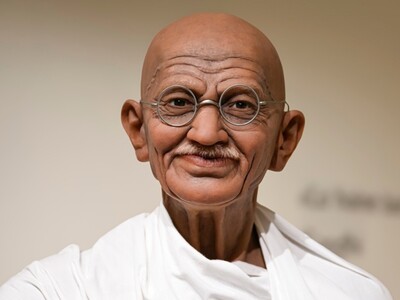
A collection of handwritten notes by Indian independence hero Mahatma Gandhi has sold for $1.7 million at an auction in Mumbai, setting a record for the highest price paid for an Indian historical document.
The auction was held by Saffronart, a prominent auction house headquartered in Mumbai. Saffronart announced the record-setting result in a statement on Thursday, confirming that the historical documents had been preserved by the family of Anand T. Hingorani, a close associate of Gandhi and a fellow freedom fighter.
Mumbai, the coastal metropolis formerly known as Bombay, serves as the commercial center of India's art market, where major historical artifacts are regularly presented to international collectors.
The lot consists of 688 individual notes written by Gandhi for Hingorani between 1944 and 1946. Gandhi penned the daily reflections to offer spiritual comfort to Hingorani following the death of his wife, Vidya. The collected writings were later compiled into a book titled A Thought for the Day.
Written during the final years of British colonial rule in India, the daily thoughts explore fundamental spiritual and ethical topics, focusing primarily on truth, God, and non-violence.
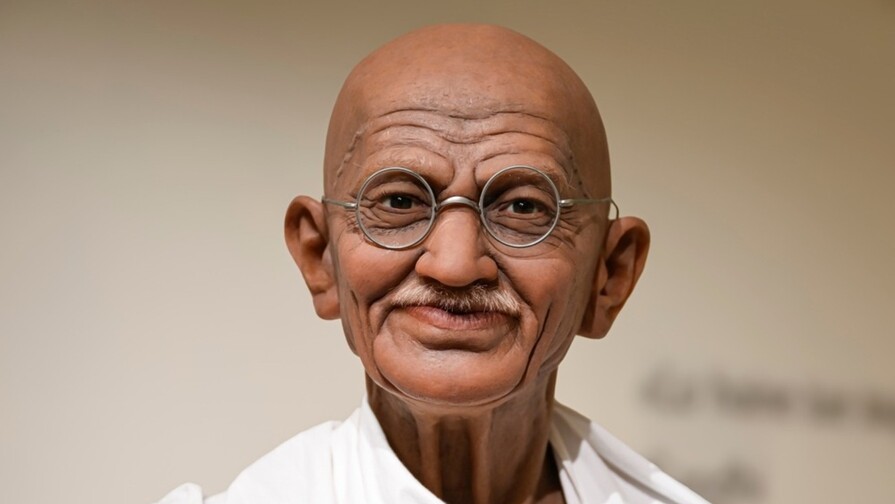
Auction highlights and personal items
The handwritten manuscripts served as the primary attraction of a dedicated collection titled Gandhi: From the Collection of Anand T Hingorani. Beyond the written notes, the auction lot featured Gandhi's personal portable spinning wheel, as well as his written notes detailing the discipline of spinning.
The spinning wheel, known as the charkha, became a central symbol of Gandhi's campaign for economic self-reliance, encouraging Indians to spin their own cloth to resist foreign trade dominance.
Saffronart co-founder Dinesh Vazirani said in a statement that the collection was particularly fascinating because it offered the opportunity to view one of the most significant figures in the history of India through the prism of a close and personal relationship.
Gandhi's historical movement and legacy
As the primary leader of the Indian independence movement, Gandhi directed nationwide non-violent civil disobedience campaigns against British rule. His methods inspired similar non-violent resistance movements across the world throughout the twentieth century.
Gandhi was assassinated in January 1948, less than six months after India secured its independence.