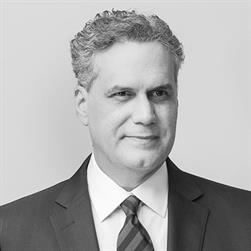
Writer Lindsay Johns described the deadly violence at the Marikana platinum mine in South Africa as a disgraceful massacre that could and should have been avoided.
Writing for the Daily Mail on 20 August 2012, Johns warned that the killings would cause severe damage to the international standing of South Africa. He stated that the incident threatens the image the nation seeks to portray as a society freed from apartheid and healing from its violent past.
The Marikana platinum mine is located in South Africa, a nation that transitioned from white minority rule under apartheid to democratic governance in the 1990s. The country is one of the premier producers of platinum in the world, with its mining industry serving as a cornerstone of the national economy.
The column on South Africa forms part of a series of commentary articles authored by Johns for the British national newspaper. On 13 August 2012, he reflected on the conclusion of the London 2012 Olympic Games in a piece titled "Our revels now are ended: What we can take away from the London Olympics."
Johns argued that the Olympic Games left a lasting legacy for Britain, fostering increased unity, belonging, and national pride among residents. He added that the sporting festival demonstrated how humility and elite sport can comfortably coexist. London hosted the Summer Olympic Games in July and August 2012, drawing athletes from across the globe.
Commentary on British Society and Violence
Earlier in the month, on 6 August 2012, Johns marked the official one-year anniversary of the widespread public disorder in England with an article titled "The riots one year on: What needs to change." In the piece, he questioned what progress had occurred since the unrest broke out across London and other English cities in August 2011.
Johns called for a return to promoting personal responsibility and rejected claims that the disturbances were political statements. He criticized assertions made by liberals that portrayed the events as conscious political actions by a teenage underclass, describing such arguments as pathetic and dangerous.
In July 2012, Johns turned his attention to British education, writing on the necessity of stopping a rising tide of violence inside classrooms. He argued that society must work to eliminate violent behavior from broader culture, regardless of progress made in tackling domestic violence.
During the same month, he published a tribute to Bush House on the day the historic complex closed its doors as the home of the BBC World Service. Bush House, located on the Strand in central London, had served as the broadcasting headquarters for the international radio network for 70 years.
Cultural Debates and Social Issues
In August 2012, Johns also highlighted the 50th anniversary of Jamaican independence in an article titled "Jamaica at 50." He noted that the Caribbean island nation possesses rich cultural offerings extending far beyond its world-famous figures, such as reggae musician Bob Marley and Olympic sprinter Usain Bolt.
His commentary during May 2012 addressed political leadership, academic subjects, and racial debate. Johns argued that the fundamental problem with political leaders is not that they are posh, but that they are patronising. He also dismissed the academic study of Harry Potter as a load of Hogwarts, expressed opposition to actor Sylvester Stallone making a fifth Rambo film, and challenged former London deputy mayor Lee Jasper by arguing that white people do not hold a monopoly on racism.
In April 2012, Johns defended the south London district of Streatham against criticism from comedian Jo Brand and urged young people wearing hoodies to reform their behavior before seeking employment. His March 2012 pieces called for breaking the grip of macho culture, demanded justice in America for slain teenager Trayvon Martin, urged an end to teenage torture linked to African witchcraft zealots, and praised Channel 4's broadcast Make Bradford British for demonstrating the importance of cultural identity.
Johns began his 2012 column series in February with an article exploring the benefits of living without a television set. He also addressed public health in June 2012 on World Blood Donor Day, delivering an impassioned plea to encourage greater public participation in blood donation services.