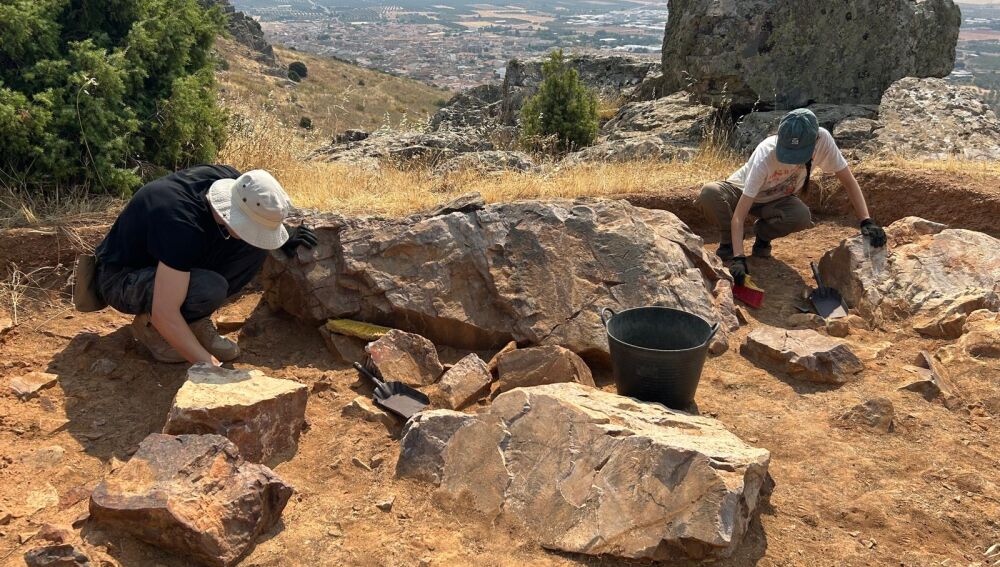
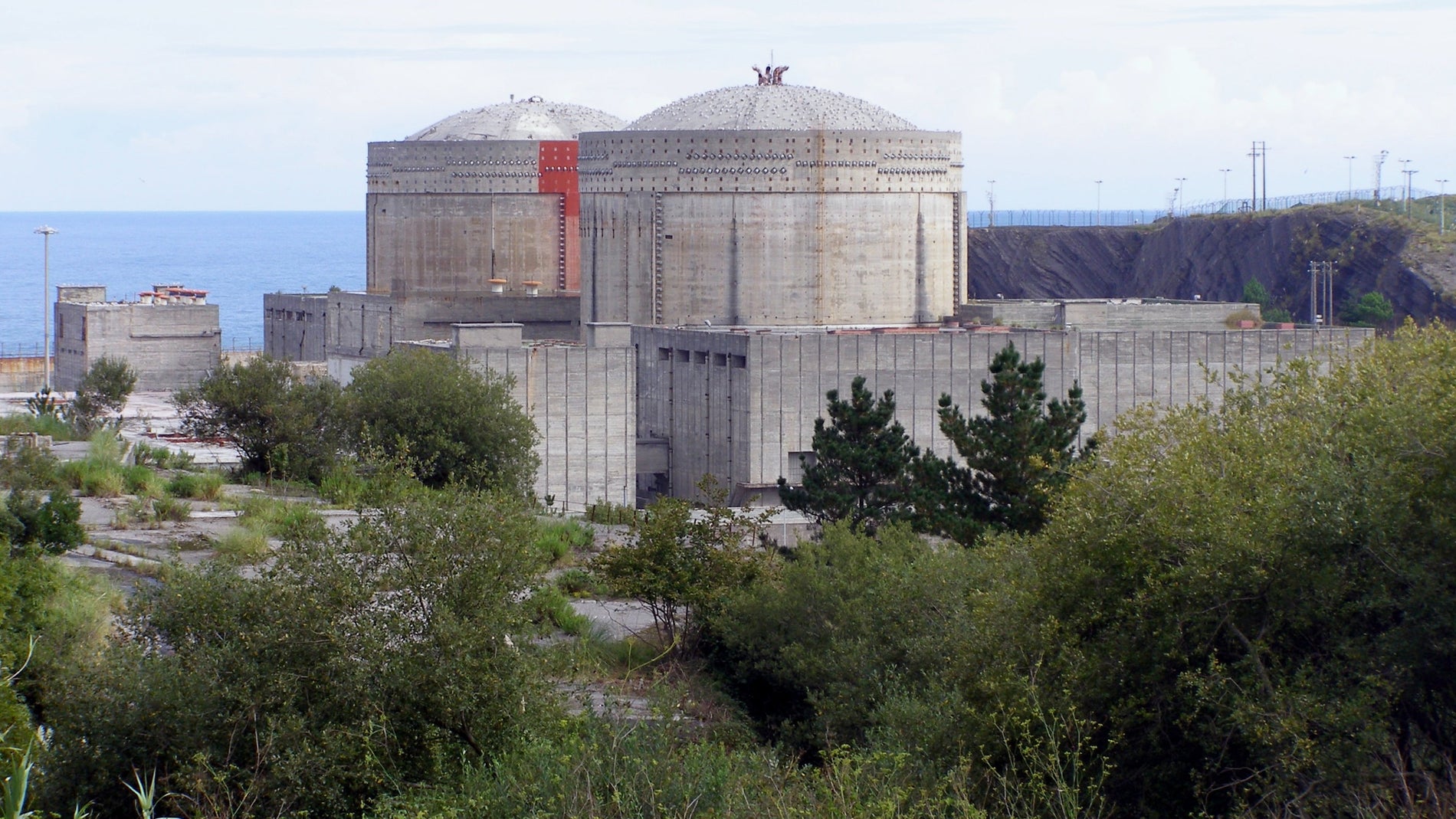
The abandoned Lemoiz nuclear plant in northern Spain will be transformed into a 170 million euro commercial fish farm under a new decade-long project.
Announced by the Basque Government on April 27, 2026, the public-private initiative will redevelop 46,600 square meters of the coastal site to produce 3,000 tonnes of sole each year.
Four decades after the nuclear project was abandoned, the site's coastal infrastructure, land availability, and direct access to seawater provide rare conditions for a land-based aquaculture facility. The former concrete structure will shift from a symbol of energy failure to a food production center.
Industrial Redevelopment and Production Timeline
The contract for the project was awarded to Aquacría Basordas, which will integrate into Sea Eight, the aquaculture division of Spanish investment group Atitlan. News outlet El Debate identified Roberto Centeno, son-in-law of Mercadona chairman Juan Roig, and Aritza Rodero among the business founders.
The plant is designed to cover the full biological cycle of the fish. Operations will span from egg hatching and larval rearing through to fattening, processing, and final preparation for market sale.
Official planning sets the start of the first construction phase for 2027. Rearing of the first fish is scheduled for 2029, with market launch expected around 2031 in line with the species' biological growth cycles. The 2031 target adjusts earlier forecasts released when the plan was first published.
Recirculation Technology and Environmental Requirements
A key feature of the facility is its Recirculating Aquaculture System. According to institutional details, the system will filter and reuse up to 97 percent of the water used across the site.
The layout will include effluent treatment systems, separate buildings for each breeding stage, and dedicated treatment and logistics zones. While recirculation limits continuous water withdrawal, the facility will require ongoing monitoring of water quality, oxygen levels, temperature, and waste.
Basque research organization AZTI will provide technical support for the operation, bringing expertise in fish nutrition, animal welfare, healthcare, genetics, and product traceability.
The project estimates the creation of around 200 jobs across construction, daily operations, research, and auxiliary services. The operating concession will need to coexist with the coastal environment and meet environmental authorizations at every phase, with its first operational test arriving in 2027 when main construction begins.