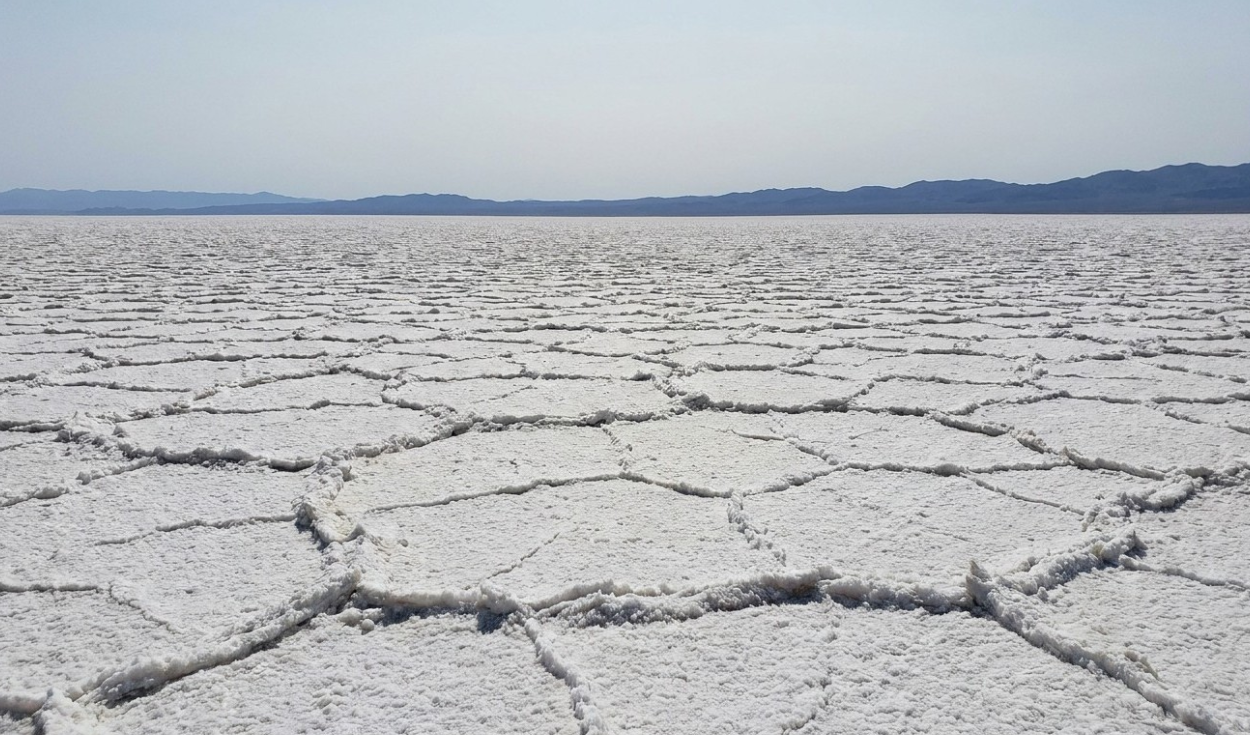
Lake Urmia in northwestern Iran has virtually dried up after rivers were diverted for agriculture, leaving eight billion tons of salt exposed to the open air.
Satellite imagery from NASA's Landsat program revealed that by 2023 the lake was almost entirely dry. In place of the once vast body of water, a massive white crust of salt now covers the former lakebed.
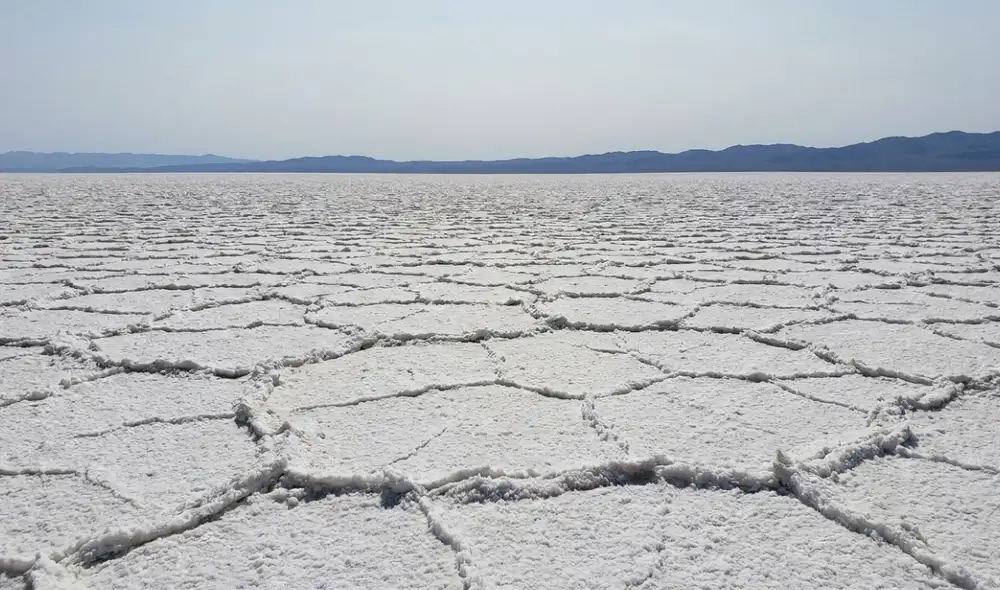
Lake Urmia, located in northwestern Iran near the border with Turkey, was historically one of the largest hypersaline lakes on Earth. Endorheic salt lakes do not drain into oceans, making their water levels entirely dependent on inflowing rivers and regional climate patterns.
For thousands of years, the lake covered an area between 5,200 and 6,000 square kilometers. However, dam construction on its feeding rivers and intensive water use for surrounding agriculture drastically reduced its surface area over recent decades.
The accelerated shrinkage began in the early 1970s. By August 2011, the lake's area had fallen to 2,366 square kilometers, and just two years later in 2013, it had shrunk to approximately 700 square kilometers.
Estimates made in 2014 indicated that Lake Urmia had lost nearly 90 percent of its surface area over a 45-year period. Torrential rains in 2018 and 2019 provided temporary relief and brought water back to parts of the lakebed, but the rainfall failed to reverse the overall trend.
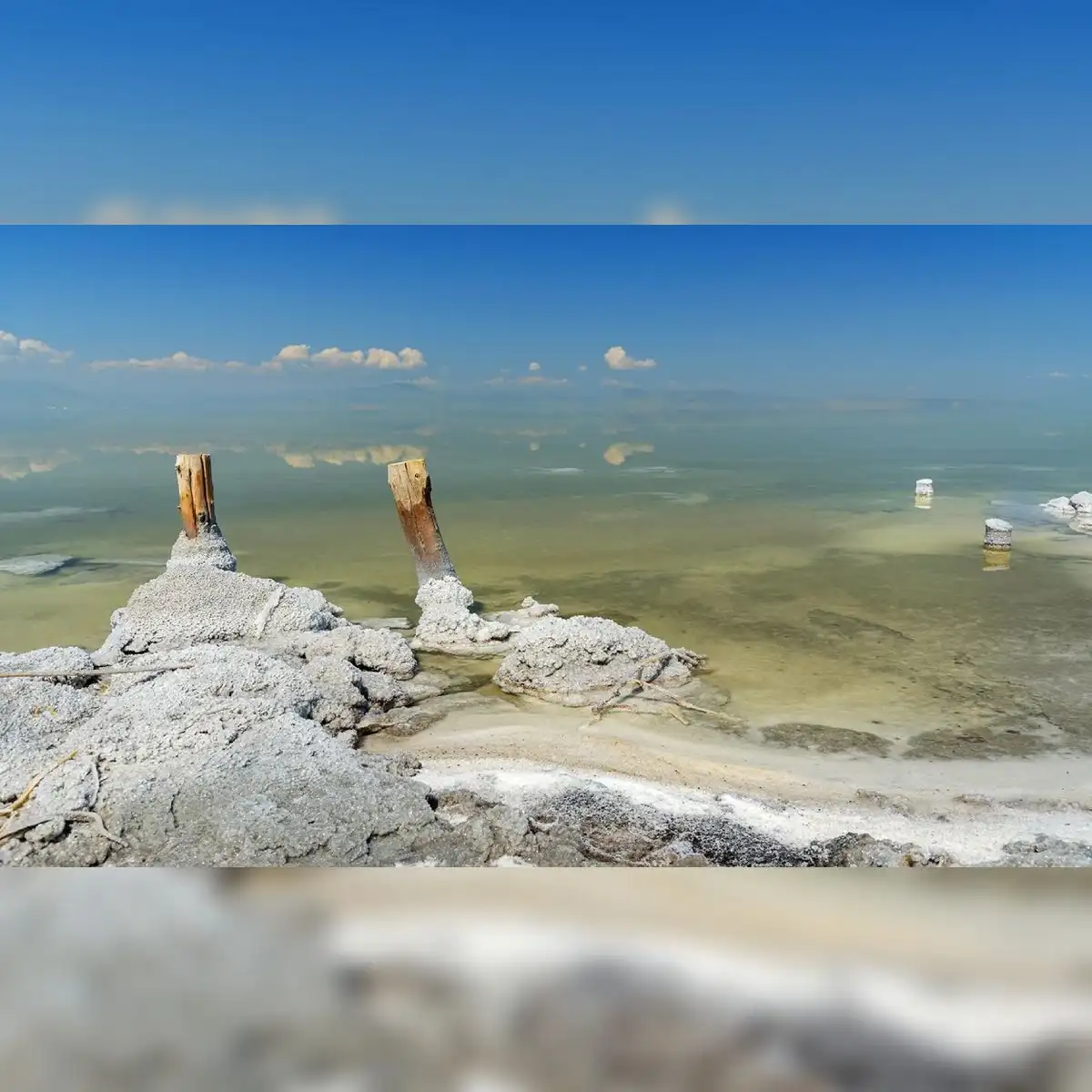
Exposed salt deposits and airborne dust
By autumn 2023, the lake reached one of its most critical points as the remaining water evaporated almost entirely. A study published in the scientific journal Science of the Total Environment estimated that the dry basin contains around eight billion tons of exposed salt, while other research places the total between 6.5 billion and 10 billion tons depending on the measurement method.
Science of the Total Environment is an international peer-reviewed journal focused on environmental research, while NASA's Landsat program has continuously gathered space-based land observation data since 1972.
Strong winds across the basin can lift the exposed salt crust and carry fine particles over great distances. Measurements show salt particles traveling up to 370 miles, or roughly 595 kilometers, generating salt dust storms that affect areas far beyond the former shoreline.
Agricultural paradox and health hazards
The retreat of the lake highlights a sharp regional paradox. River water was diverted to supply orchards and expand farming across surrounding lands, but that heavy agricultural consumption deprived the lake of its natural inflows.
Now, the salt dust lifted from the dry lakebed threatens those very same agricultural areas. Salt storms can damage crops, lower harvest yields, and contribute to the salinization of regional groundwater supplies.
The exposure of massive salt deposits also poses growing health concerns for nearby populations. Exposure to airborne salt particles and salinized dust has been linked to increased rates of respiratory illnesses, hypertension, and other health conditions among residents.
Government response and regional outlook
The ongoing ecological crisis at Lake Urmia has developed into a major social and political issue in Iran. Government authorities have proposed several recovery measures, including transferring water from neighboring river basins, restoring natural tributaries, and applying cloud seeding techniques to encourage rainfall.
However, recovering the lake remains difficult after decades of reduced water inflow. Environmental experts point to Lake Urmia as a broader warning for arid regions worldwide, showing how heavy agricultural water demand combined with climate pressure can destroy major salt lakes and leave hazardous dust basins behind.