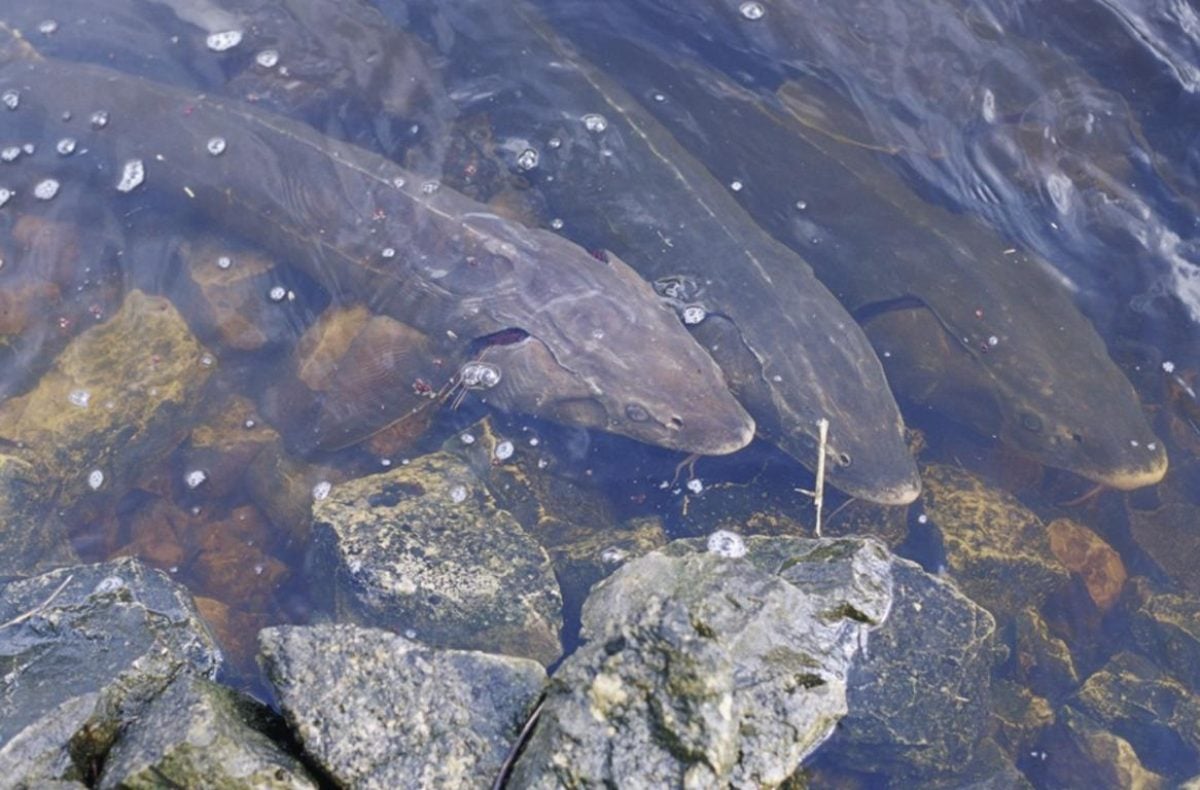
Lake sturgeon in North America can live up to 400 years, according to new research reported by IFLScience that far exceeds previous lifespan estimates.
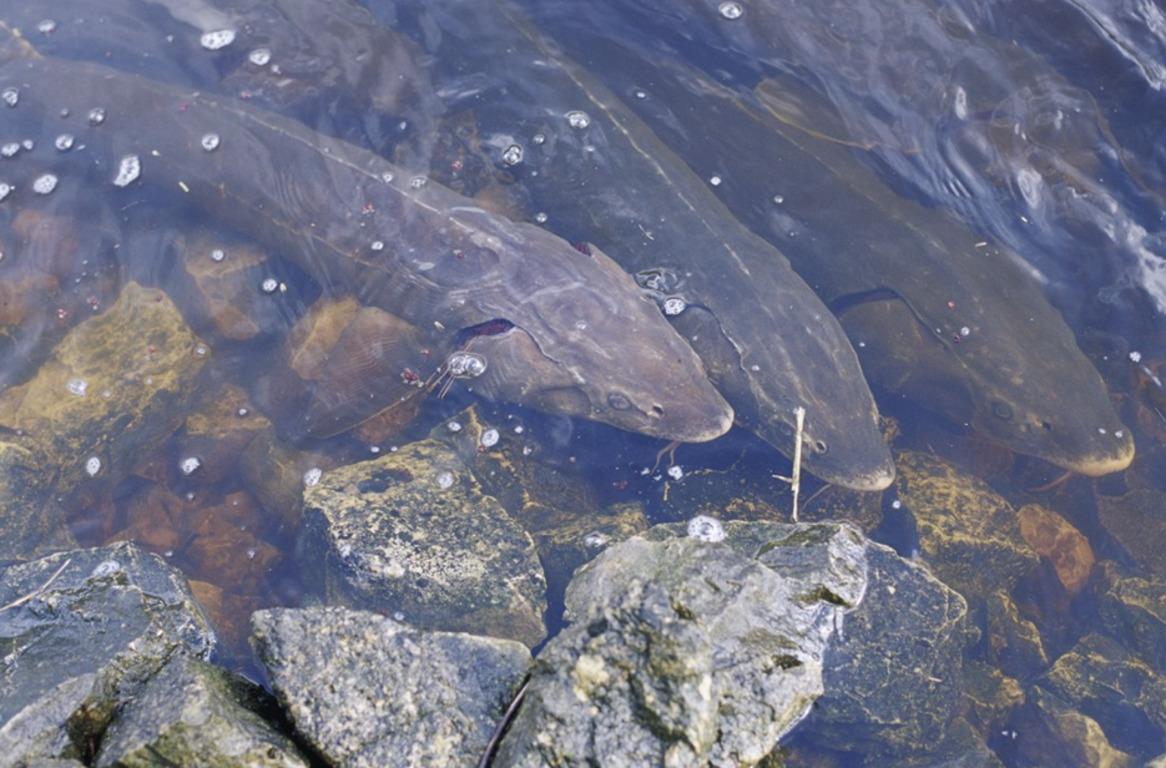
New growth modeling indicates that female lake sturgeon measuring 180 centimeters in length can reach ages between 99 and 427 years, while males measuring 160 centimeters range from 90 to 279 years old.
Scott Colborne, an assistant professor of fisheries and wildlife at Michigan State University, said scientists had long recognized lake sturgeon as among the oldest freshwater fish in North America. He noted that the new research showed they can live much longer than previously thought, serving as a living link to history.
Lake sturgeon are native North American freshwater fish found throughout the Great Lakes basin and major river systems. The prehistoric species can grow to be as long and heavy as the tallest humans, featuring distinctive armor-like rows of bony plates along their bodies.
Revising previous age estimates
For decades, scientists estimated the maximum lifespan of lake sturgeon at 150 years, based on a landmark 1963 study. However, researchers questioned whether 150 years represented a typical age or merely an extreme upper limit, with most believing the majority of sturgeon never reached such longevity.
The earlier estimates relied on cross-section analysis of pectoral fin rays, counting bone tissue layers in the front ray of the pectoral fin. Pectoral fins are the paired fins located on either side of a fish's body behind the gills.
While direct, researchers explained that this fin ray method is not necessarily accurate. Bone tissue resorption, a natural physiological process where bone is broken down by the body, can eliminate some growth rings over time, leading to age underestimation.
To establish a more dynamic understanding of sturgeon lifespans, the new study utilized growth rates calculated from mark-recapture data of previously tagged fish. Mark-recapture is a standard ecological surveying method where animals are caught, tagged, released, and recaptured over time.
Field researchers repeatedly captured, measured, and released individual fish over multiple decades. Scientists then entered the accumulated field data into a computer model designed to predict growth velocity, how growth slows over time, and expected lifespans across five distinct sturgeon populations in the Great Lakes region.
Comparison with Greenland sharks
The new findings position lake sturgeon alongside Greenland sharks as some of the longest living fish known to science. Greenland sharks inhabit the cold deep waters of the North Atlantic and Arctic Oceans and currently hold the official title of longest living vertebrate.
Greenland sharks retain the official longevity title because scientists dated their ages using actual physical tissue from eye lenses. By contrast, the new lake sturgeon lifespan figures remain estimates derived from growth models.
Researchers stated that further studies are needed to determine whether any sturgeon populations can equal or exceed Greenland sharks, whose lifespans are estimated at roughly 400 years. Michigan State University, located in East Lansing, Michigan, continues to lead research into Great Lakes aquatic ecosystems.
Confirmation from Indigenous knowledge
Colborne recalled a goosebumps moment during a conversation with a representative from a tribal community involved in the long-term field data collection. The tribal member explained that Indigenous traditional knowledge had long held that lake sturgeon could live for approximately 400 years.
Colborne said modern analytical approaches had ultimately brought scientific consensus to what Indigenous communities had known long ago, validating their traditional understanding of the species' extraordinary longevity.
Conservation implications for ancient species
Researchers emphasized that understanding a species' true lifespan is critical for developing effective conservation strategies. When an animal lives for centuries, its life cycle spans vast timeframes across generations.
Losing individual fish before they reach their peak reproductive potential can prove devastating to overall population survival. Researchers stressed that human activities carry consequences that persist for centuries, demanding that these large freshwater creatures be managed with extreme care.