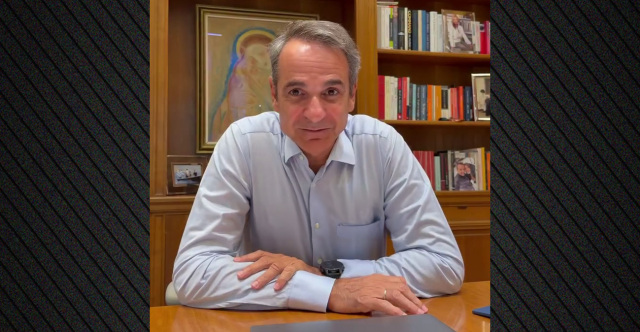
Greek Prime Minister Kyriakos Mitsotakis announced that state power provider DEI has lowered its fixed electricity tariff for the upcoming year to 11.5 cents per kilowatt-hour. Speaking in a social media video published on September 2, 2026, Mitsotakis described the price reduction as a protective shield for households facing volatile international energy markets.
The rate cut applies to the utility company's blue tariff tier, which guarantees a set price for domestic consumers over a 12-month period. Under the updated plan announced by the provider, customers will pay 11.5 cents per kilowatt-hour alongside a fixed fee of 3.5 cents.
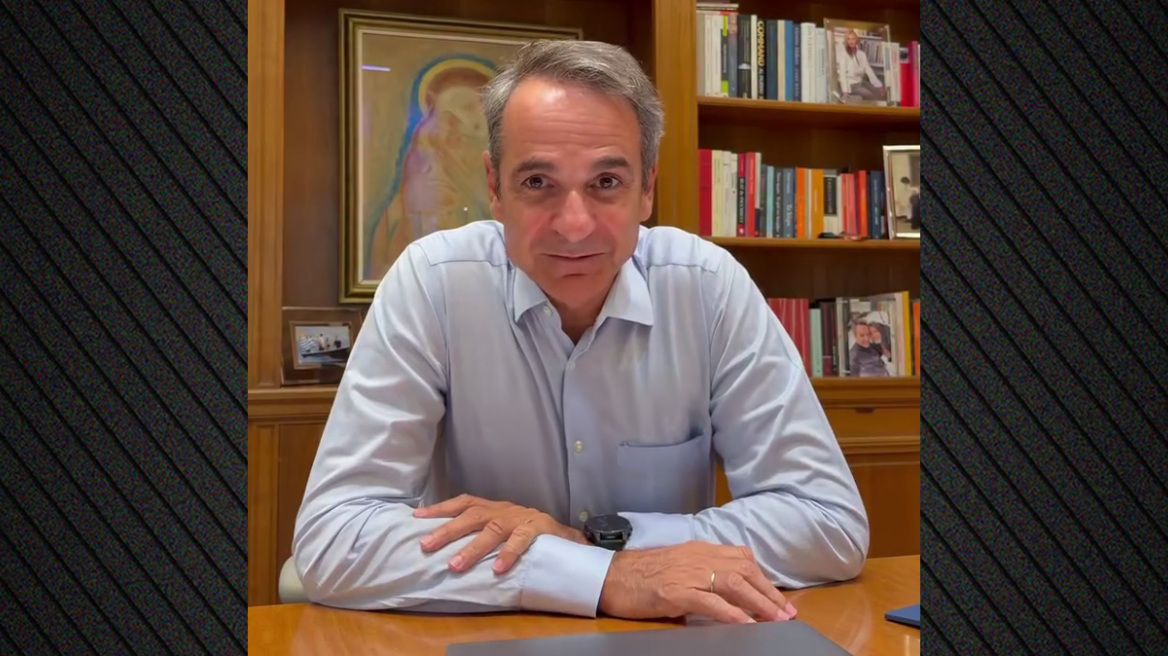
Electricity price reduction details
Mitsotakis stated that the announcement regarding the lower rates was made by the company the previous day. He noted that in an environment of rising global energy costs, which would historically lead to higher domestic utility bills, effective management has allowed Greece to keep electricity prices low.
He added that maintaining low prices during global market instability was not accidental, emphasizing that the reduction was made possible by the financial strength of the public utility. According to Mitsotakis, an economically resilient power company is capable of absorbing a portion of rising energy costs directly rather than passing financial burdens onto consumers.
Financial recovery of Public Power Corporation
Recalling the financial state of the enterprise when his administration took office, Mitsotakis highlighted that Public Power Corporation was on the verge of bankruptcy in 2019. He contrasted that period with the company's current financial standing, describing its recovery as essential for national energy stability.
Public Power Corporation, commonly known as DEI, is Greece's largest electricity generator and distributor. The company underwent major structural reforms and financial restructuring following 2019 to stabilize its balance sheet while maintaining its position as the dominant supplier in the domestic market.
In the Greek retail electricity market, tariffs are categorized by standardized color codes to help consumers compare options. Blue tariffs represent fixed-rate agreements where the price per kilowatt-hour remains locked for the duration of the contract, insulating households from spot market price swings.
Impact on household energy costs
Mitsotakis concluded his statement by emphasizing that the financial stabilization of the country's main energy provider delivers a simple and direct benefit to the public. He said that maintaining a strong utility ultimately results in reduced pressure on monthly electricity bills for Greek families.