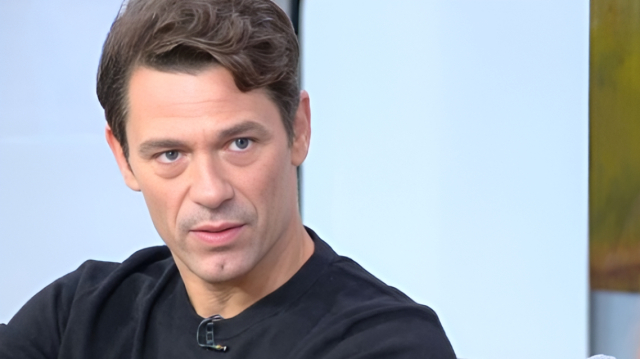
Investor Juan Vidal warned in Santo Domingo that earning more money does not guarantee economic security as inflation and rising living costs drive stress levels across the globe. Speaking in an interview with news agency EFE, the financial specialist explained that managing personal finances effectively is far more critical than increasing income when trying to reduce anxiety.

Economic uncertainty, soaring housing prices, the rising cost of living, and the constant fear that money will not be enough have made financial peace of mind one of the primary aspirations for citizens today. However, Vidal emphasized that many people struggle to achieve stability because they rely on widespread myths about wealth and hold mistaken beliefs that block their progress.
Vidal began investing in the stock market at the age of 22 without formal financial studies or a clear strategy. After learning from the mistake of divesting from what worked in a long-term portfolio to chase short-term trading of financial assets, he underwent financial training in the United States. He subsequently created the Aristócrata investment method, a system he now practices and teaches to thousands of course participants.
Building Clarity and Mindset
According to Vidal, financial peace of mind is not defined by a specific figure in a bank account. Instead, he described it as a state of mind achieved when monetary decisions cease to be driven by fear and intuition and begin to be guided by knowledge and concrete actions.

The investor explained that the initial step toward financial tranquility is gaining absolute clarity. This requires individuals to identify precisely what they wish to achieve, how much money they currently possess, how much they require, and when they need it. Vidal noted that achieving this clarity puts a person far ahead of the majority of people.
The second step involves acquiring the necessary knowledge to evaluate what can realistically be achieved before taking concrete action. Vidal emphasized that external uncertainty cannot be eliminated, as markets fluctuate, inflation presses, and governments change. However, he stated that when individuals have clear goals and understand how money works, external volatility ceases to matter, allowing them to navigate economic turbulence and watch their money grow while holding the helm.
Vidal rejected the belief that financial security depends on earning a high income, calling it the most widespread and erroneous myth in personal finance. He stressed that earning more money without financial education leads only to increased spending and deeper debt, noting that while income is often uncertain and temporary, a person's financial mindset must remain firm.
To demonstrate his point, Vidal shared that he has seen individuals earning 10,000 euros, or roughly 11,550 US dollars, per month who were completely drowned economically. In contrast, he noted that other workers earning a monthly salary of 1,800 euros, or about 2,100 US dollars, were able to sleep peacefully due to proper management.
Three Common Financial Mistakes
In his interview with EFE, Vidal outlined three recurring mistakes that sabotaged people seeking economic stability.
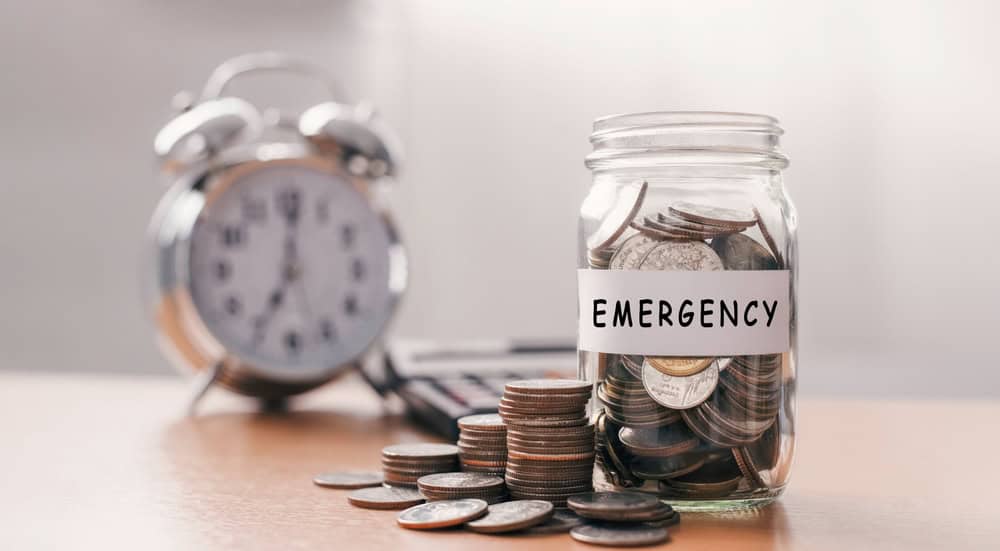
The first mistake is failing to build an emergency fund. Vidal explained that without cash reserves, many people live on the edge by spending their entire income each month, causing any unexpected event to turn into a full crisis.
The second error is confusing consumer spending with investment. Vidal cited buying a new car as an example of spending rather than investing, emphasizing that people must understand this fundamental distinction before considering stock market investments or other financial initiatives.
The third mistake, which Vidal identified as perhaps the most profound, is delegating financial decisions entirely to third parties without personal understanding. He warned that entrusting one's future to a bank or an unknown advisor without developing individual criteria is a recipe for unpleasant surprises.
Habits for Long-Term Peace
Vidal emphasized that financial education has a radical and almost immediate impact on reducing stress and anxiety. He explained that financial anxiety almost always stems from a lack of knowledge rather than global economic uncertainty, adding that learning about inflation, assets, saving protection, and capital growth dispels mental fog and restlessness.
With proper training, Vidal noted that while problems do not disappear, individuals stop playing the victim of circumstances and take active steps because they possess the resources to face challenges. In his experience with thousands of students who completed his investment courses, emotional confidence changed even before financial results arrived.
To build long-term stability, Vidal recommended four core habits. First, individuals should eliminate bad debt stemming from consumer spending and avoid it as much as possible. Second, people should adopt the practice of saving before spending, rather than saving whatever remains at the end of the month.
Third, Vidal advised people to seek education from the right instructors while remaining selective, warning that many training courses contain fine print with hidden conditions or clauses, as well as scams that trap uninformed individuals. Fourth, he urged people to start investing as early as possible, even with small amounts, noting that time is the most valuable asset in financial markets and that waiting for a perfect moment is a mistake because that moment never comes.
Vidal concluded that financial peace of mind is ultimately constructed through small, consistent habits rather than strokes of luck.