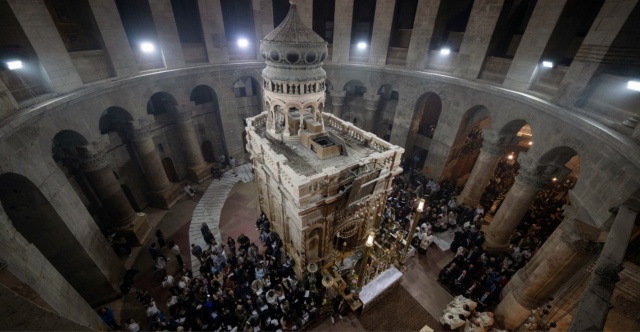
Italian archaeologists excavating Jerusalem's Church of the Holy Sepulchre uncovered an ancient garden, rock-cut tombs, and fields matching New Testament accounts of Jesus Christ's burial site.
Preliminary results of the excavation were published in the Jerusalem archaeological journal Liber Annuus. Lead researcher Francesca Romana Stasolla, an archaeologist at Sapienza University of Rome, told the Daily Mail that the team had uncovered clear evidence of an ancient burial landscape.
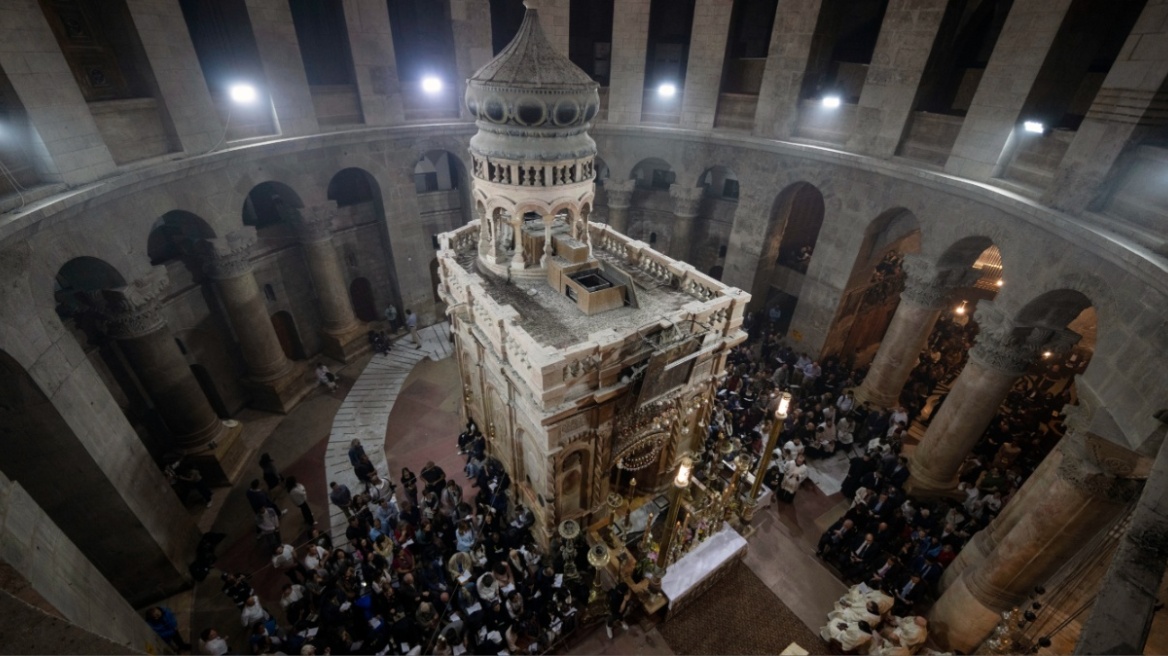
The team conducted excavations beneath the Church of the Holy Sepulchre, a 4th-century sanctuary built over the location where Christian tradition holds that Jesus was crucified, buried, and resurrected on Easter Sunday. The holy site draws approximately four million pilgrims and visitors each year.
Ancient garden and quarry beneath church floor
The excavation project began in 2022 during restoration work on the floor of the church, with archaeologists uncovering a distinct landscape during the final phases of work in 2025. Excavators identified an abandoned quarry, cultivated parcels of land, rock-cut tombs, and an ancient garden beneath the structure.
The physical findings show striking similarities to descriptions in the Gospel of John, which records that there was a garden at the place of crucifixion containing a new tomb in which no one had yet been buried. Although no human remains were found inside the tomb, researchers consider the physical features of the location remarkably consistent with biblical passages.

The Gospel of John states that the crucifixion occurred near Jerusalem, while the Epistle to the Hebrews specifies that Jesus suffered outside the city gate. Archaeological mapping confirms that the ancient quarry was located outside the city walls of Jerusalem during the 1st century.

Agricultural evidence from the time of Jesus
Parts of the quarry reached depths of approximately six meters and had been filled with soil, indicating that the land was repurposed for agriculture. Excavators discovered botanical traces of olive trees and grapevines dating back to around 33 AD, the approximate time when Jesus is believed to have died.

Stasolla told the Times of Israel that the Gospel describes a green area located between Golgotha and the tomb, and noted that her team successfully identified those cultivated fields. The presence of rock-cut tombs confirms that the area served as a cemetery, matching accounts in the Gospels of Matthew, Mark, and Luke that describe Jesus' burial place as a tomb carved directly into the rock.

Roman structures and Constantine era developments
Beyond biblical parallels, the team examined physical modifications made to the site over successive centuries. Archaeologists identified one specific burial chamber that had been sealed off by a Roman construction built during the reign of Emperor Hadrian in the 2nd century AD.

Approximately 200 years later, during the reign of Emperor Constantine, construction workers demolished the Roman structure and excavated the site to expose the tomb once again. Workers isolated the burial chamber from adjacent tombs and built a dedicated Christian shrine around it to accommodate gathering pilgrims.

Historical significance for Christian pilgrimage
Archaeologists emphasized that the data does not conclusively prove that the site is the burial place of Jesus. However, the deliberate effort to preserve and honor the location starting in early Christian centuries suggests that knowledge of its significance was transmitted by early generations of believers.

Stasolla told the Times of Israel that the primary value of the excavation extends beyond verifying biblical narratives. She explained that the true treasure uncovered was the history of the people who shaped the location by expressing their faith there.

She added that regardless of whether an individual believes in the historicity of the Holy Sepulchre, the historical reality of generations of believers worshipping at the site is objective. She noted that the history of the location represents the history of Jerusalem and the long tradition of Christian worship.