

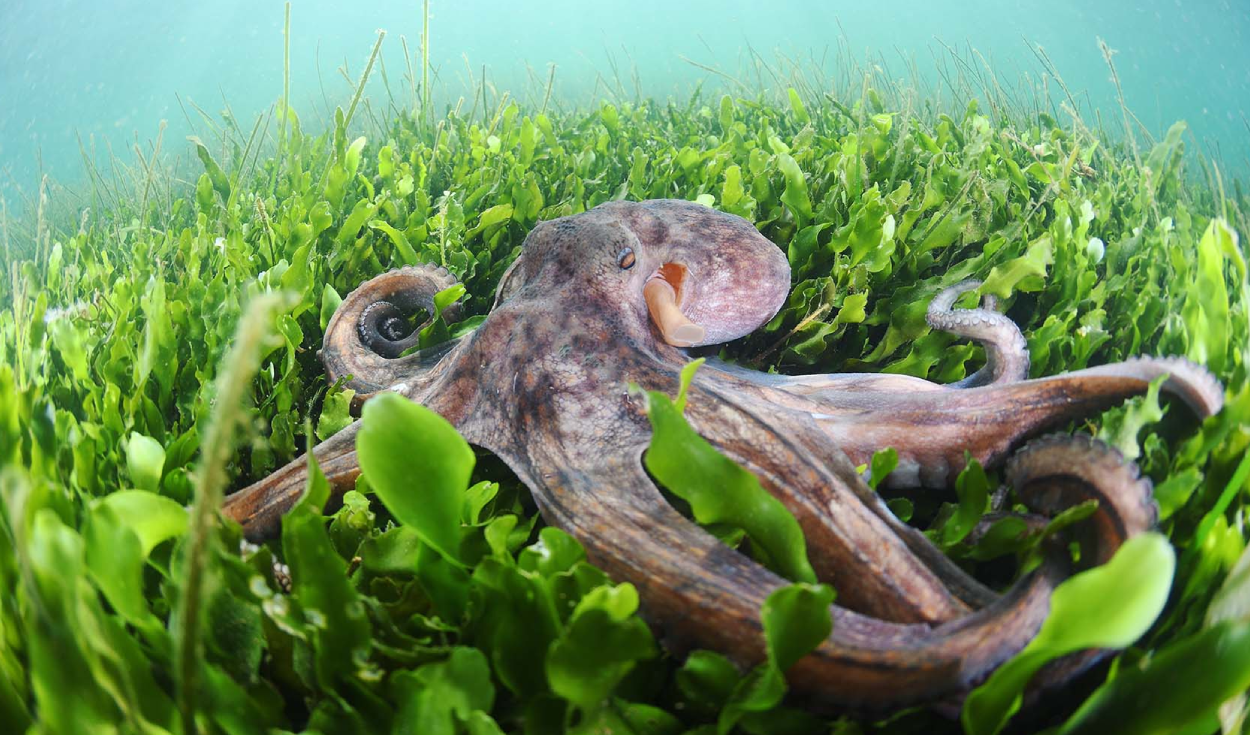
Italian scientists have released more than 130,000 young octopuses into the Adriatic Sea in an effort to combat an invasion of blue crabs. The trial, known as the Octo-Blu project, aims to test whether introducing a natural predator can reduce the damaging impact of the invasive crustaceans on local marine ecosystems and fishing operations.
According to a report published in Scientific American, researchers released the juvenile octopuses to evaluate how many of the animals survive, adapt to their new environment, and actively hunt blue crabs. The initiative was launched in 2024 as a joint partnership between the regional government of Emilia-Romagna and the University of Bologna.
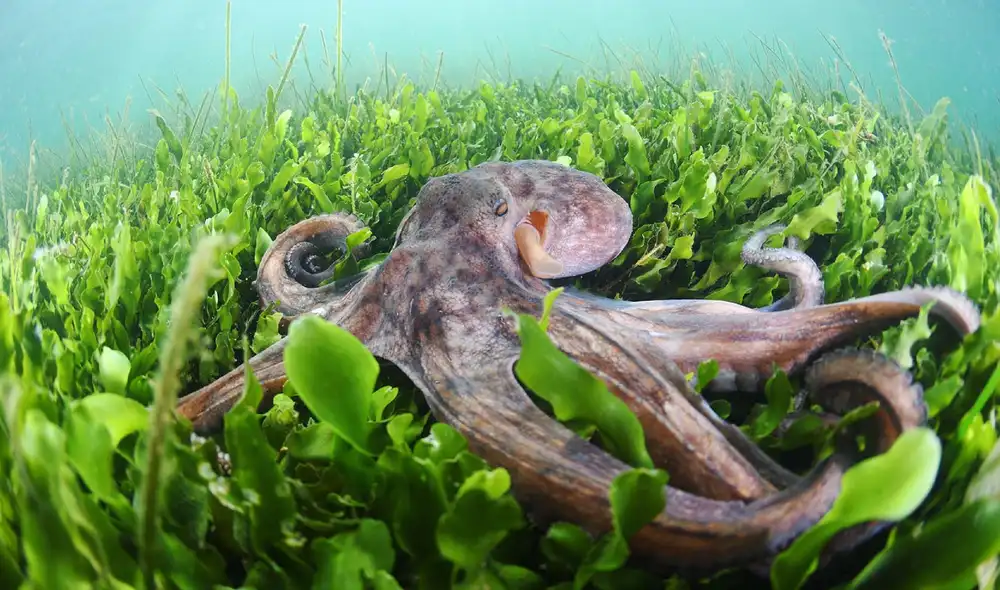
Scientists involved in the project are studying the ecological relationship between the common octopus, known scientifically as Octopus vulgaris, and the blue crab, or Callinectes sapidus. The research team aims to determine whether the octopuses can become an effective ally within the marine food chain.
The common octopus is a highly adaptable marine mollusk native to the Mediterranean Sea and the eastern Atlantic Ocean. Recognized for its complex nervous system and predatory instincts, the species hunts along the seabed, feeding primarily on crabs, clams, and other shellfish.
Origins of the blue crab invasion
The blue crab is native to the western Atlantic Ocean, where its natural range stretches along the coasts of North and South America. Maritime experts believe the species was introduced to European waters when ship ballast water carrying larvae or eggs was discharged into Mediterranean ports. Ballast water is pump-loaded into cargo vessels to maintain ship balance during voyages and frequently transfers non-native organisms across oceans.
Although blue crabs have been observed in Mediterranean waters for several decades, their population has expanded rapidly in recent years. The rapid increase in crab numbers has created severe ecological and economic problems across southern Europe.
The problem is particularly acute in the northern Adriatic Sea and the Po Delta region. The Po Delta, formed where Italy's longest river drains into the Adriatic, features extensive coastal lagoons and shallow estuaries that serve as major production centers for farmed clams and mussels.
Equipped with powerful claws, blue crabs feed aggressively on a wide range of marine life. They prey on adult mollusks, fish, and juvenile clams, destroying the shellfish stocks that sustain regional aquaculture.
The economic impact of the invasion has escalated dramatically. Authorities in Emilia-Romagna estimated that blue crabs have caused nearly 17 million euros in direct damage to shellfish farming in the region since 2022. On a national level, the Italian agricultural association Coldiretti reported cumulative losses across Italy of around 200 million euros.
Standard containment measures, such as intensive trapping and commercial fishing, have failed to control the invasive species. The high reproductive capacity of female blue crabs allows populations to rebuild quickly after removal campaigns, leading scientists to seek a continuous biological control mechanism.
Lab research and trial releases
Before initiating open-water releases, researchers spent nearly two years examining blue crab biology and testing methods to breed and raise octopuses under controlled laboratory conditions. The preliminary experiments enabled scientists to analyze predator-prey dynamics and gauge how young cephalopods interact with the hard-shelled crabs.
One notable finding during laboratory testing was that a young octopus was capable of successfully attacking a blue crab weighing as much as 400 grams. Following these laboratory trials, researchers moved forward with releasing young octopuses into the Adriatic Sea.
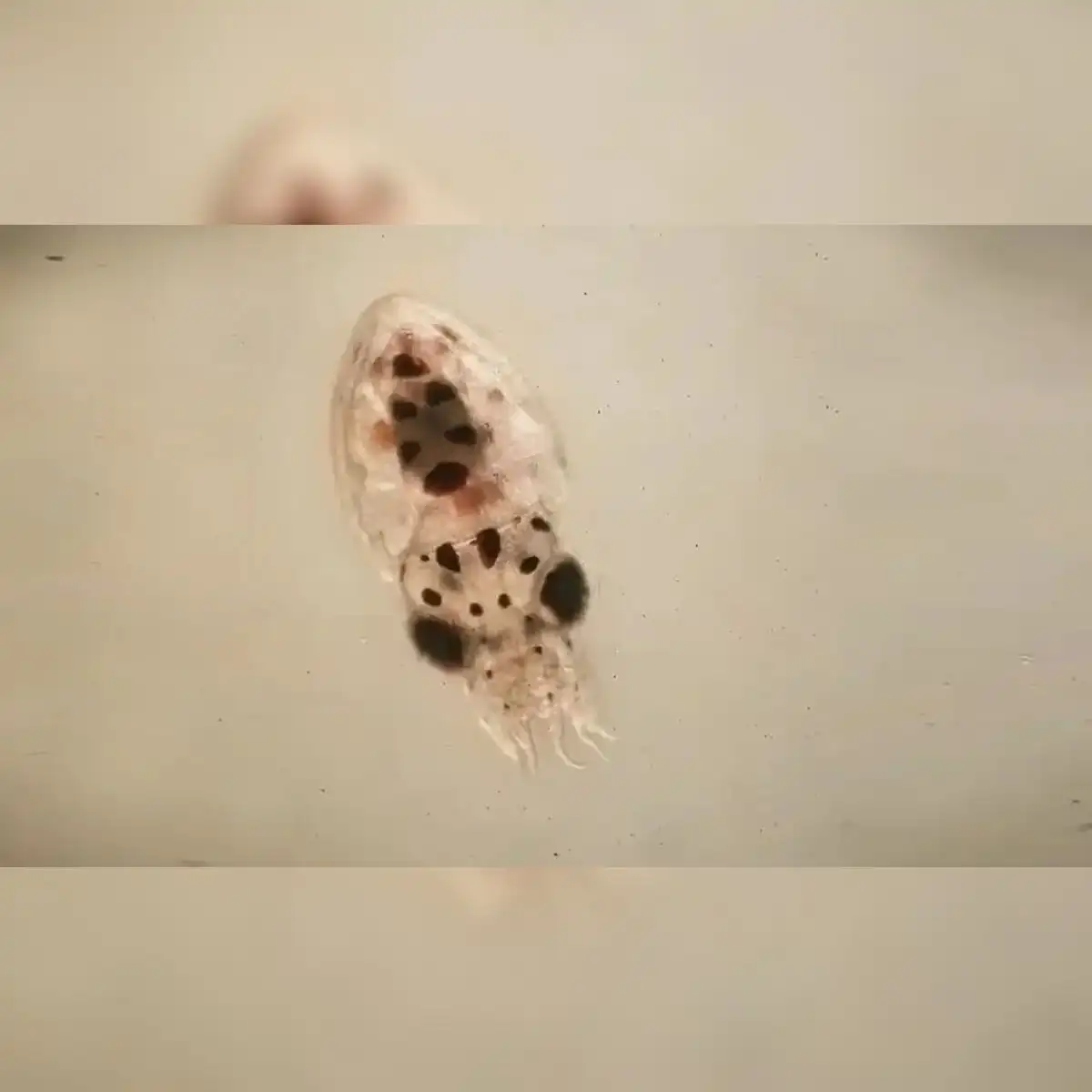
The first wave of juvenile octopuses was released on June 11 and June 17, 2026, near submerged artificial barriers installed on the seabed. Subsequent release operations took place off the coastal towns of Cesenatico and Riccione, with a further release conducted off Cesenatico on August 24, 2026.
The artificial structures serve an essential protective function for the octopuses. The seabed of the northern Adriatic consists primarily of flat sand, which provides few natural rocks, crevices, or hiding spots. Because octopuses require shelter to escape larger marine predators, project organizers installed artificial reefs and shelters to increase the animals' chances of survival.
Survival challenges in the Adriatic
Despite the release of more than 130,000 specimens, project scientists emphasize that the release does not guarantee 130,000 adult predators in the sea. Young octopuses experience high mortality rates in the wild due to environmental conditions and natural predation.
The success of the Octo-Blu campaign will depend on how many octopuses survive, adapt to the open sea, and maintain ongoing predatory pressure on blue crab populations. Researchers will continue monitoring the release sites to evaluate whether the experiment can successfully restore ecological balance to the Adriatic ecosystem.



