Iranian student Ahoo Daryaei remains under state surveillance and is forced to take monthly antipsychotic injections nearly two years after protesting in her underwear. A close friend of the 32-year-old woman described the events before and after the November 2024 incident to the Daily Mail, detailing allegations of physical abuse and involuntary psychiatric confinement.
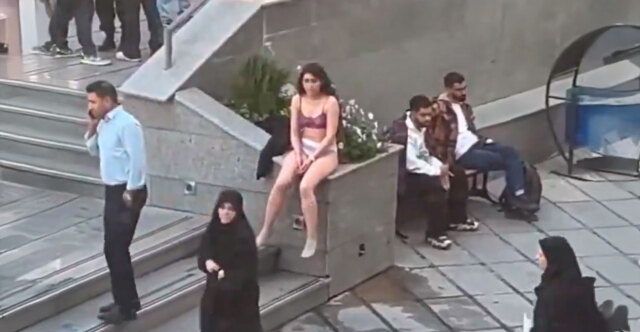
The incident took place in Tehran at Islamic Azad University. Daryaei was walking up the campus steps while looking at her mobile phone when her hijab momentarily slipped from her head without her noticing.
Confrontation at Azad University
According to her friend's account, men at the university began shouting at Daryaei and pulling her aggressively. Her clothes began tearing during the tension as the men attempted to force her into a room used to punish female students.
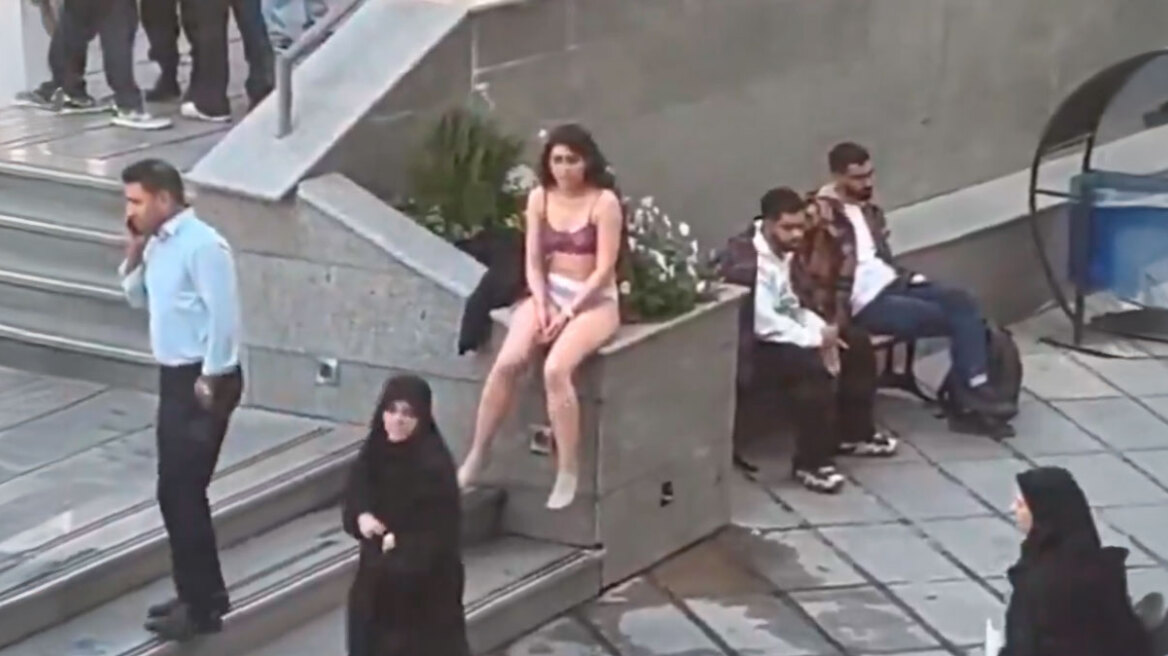
Her friend said Daryaei became extremely angry because the men refused to leave her alone or release her clothing. She decided to react in a way that would surprise those around her by taking off her clothes herself and walking across the university courtyard in only her underwear.
Daryaei threw her clothes on the ground in front of her pursuers to challenge them. Her friend explained that Daryaei believed she was already facing punishment inside the room, so she decided to turn the moment into an act of resistance worthy of the consequences she expected to follow.
Video footage of the student walking through the campus courtyard in her underwear spread rapidly across social media platforms and gathered millions of views worldwide.
Arrest and police transport
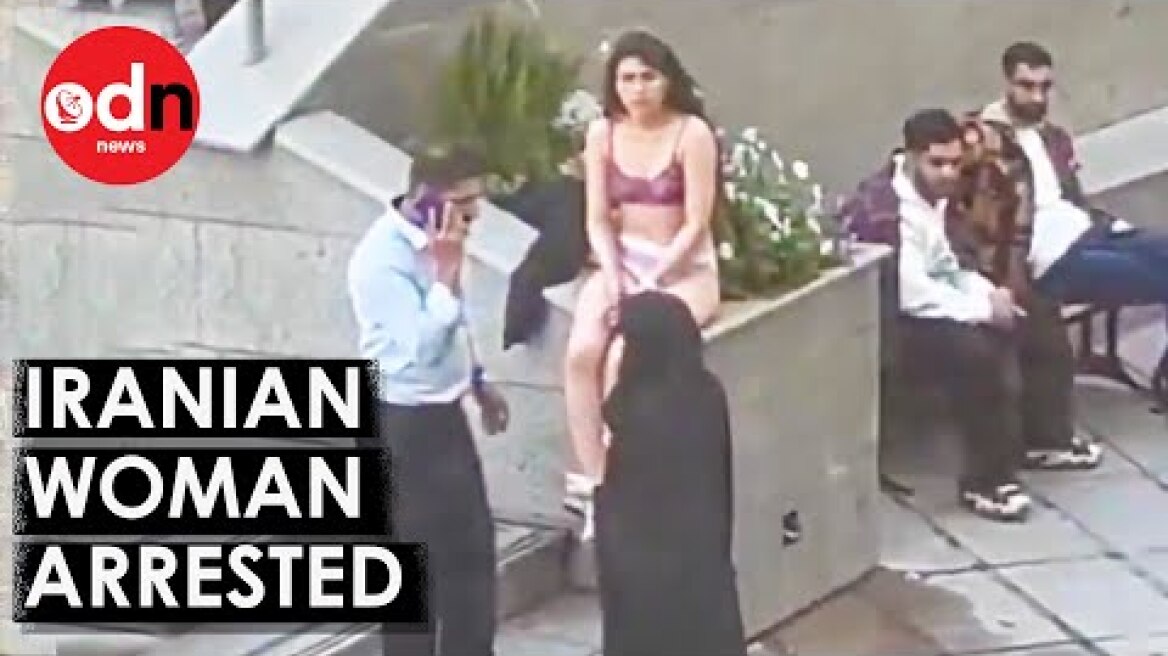
Daryaei sat on a stone ledge in the university courtyard until police officers arrived at the scene. According to the testimony, the officers forcefully placed her into the back of a police van.
Her friend alleged that during her transfer to the police station, a female officer placed Daryaei's head between her knees, covering her face with her hair and making it difficult for her to breathe. Daryaei believed she was in danger of dying from suffocation and worried about leaving her two children orphaned.
In an effort to stay conscious and breathe, Daryaei bit the police officer's hand. The officer then opened her knees, allowing Daryaei to take in air.
When she arrived at the police station, Daryaei began shouting and kicking in protest. Officers attempted to administer an injectable drug to calm her, but the needle broke on the first attempt. A second injection succeeded, causing the student to lose consciousness.
Hospital confinement and interrogation
When Daryaei woke up, she found herself in a hospital bed with her hands and feet tied. She did not know what hospital she had been transferred to.
She requested to see her family, but doctors refused to answer her questions. According to her friend, every time Daryaei tried to find out what was happening, staff injected her with another drug that made her fall asleep or lose consciousness again.
During her hospital stay, individuals interrogated Daryaei about why she had stripped. They asked what she was thinking during the protest and accused her of trying to leave Iran to seek asylum in another country.
International response and dress codes
Images of the university protest circulated globally and prompted widespread international reactions. Amnesty International reported that Daryaei had removed her clothes in protest against the abusive enforcement of mandatory head coverings by security personnel, demanding her immediate and unconditional release.
Iranian authorities claimed at the time that Daryaei's behavior was caused by mental health problems and transferred her to a psychiatric facility. Daryaei insisted she had no mental illness and said authorities framed her as sick to portray her protest as a personal issue rather than resistance against the regime.
Following the 1979 Islamic Revolution, women in Iran have been legally required to cover their head and neck. These dress codes are enforced by morality police, officially known as Gasht-e Ershad or the Guidance Patrol.
Pressure on family and release
Daryaei's friend alleged that police officers visited her family members, including her children, and threatened them to show they held power over her. Officers also visited her ex-husband and forced him to state that Daryaei suffered from mental health issues.
Her friend said the authorities wanted to counter the viral video by forcing the family to present the incident as the result of a mental breakdown. Daryaei was released after 18 days in custody following the declaration from her ex-husband.
Surveillance and forced injections
Upon her release, Iranian authorities told Daryaei that she would remain under surveillance and that her phone calls would be monitored. She was also required to take antipsychotic medication, which was charged to her own insurance policy.
Her friend stated that surveillance officers realized Daryaei was not taking the medication because she walked normally, whereas the drug's strength should have made her look dizzy. Doctors then required her to receive monthly injections of flupentixol, a medication used to treat schizophrenia, administered directly by medical personnel.
Daryaei's family told her it was better to accept the monthly injections and carry the label of mental illness than to face execution, imprisonment, or torture. When Daryaei asked a doctor what would happen if she stopped the injections, he warned that she would be arrested and tied up again in a psychiatric hospital.
Studies and statement of autonomy
Daryaei is now 32 years old and studying textile design at a different university. According to her friend, Daryaei views her action as both a spontaneous reaction to being grabbed over a headscarf and a statement about personal bodily freedom.
Her friend relayed Daryaei's message that her body and life belong to her, and that if she wants to walk in a bikini, she will walk in a bikini. Iranian government spokesperson Fatemeh Mohajerani previously denied that the arrest was violent or connected to Islamic dress codes.