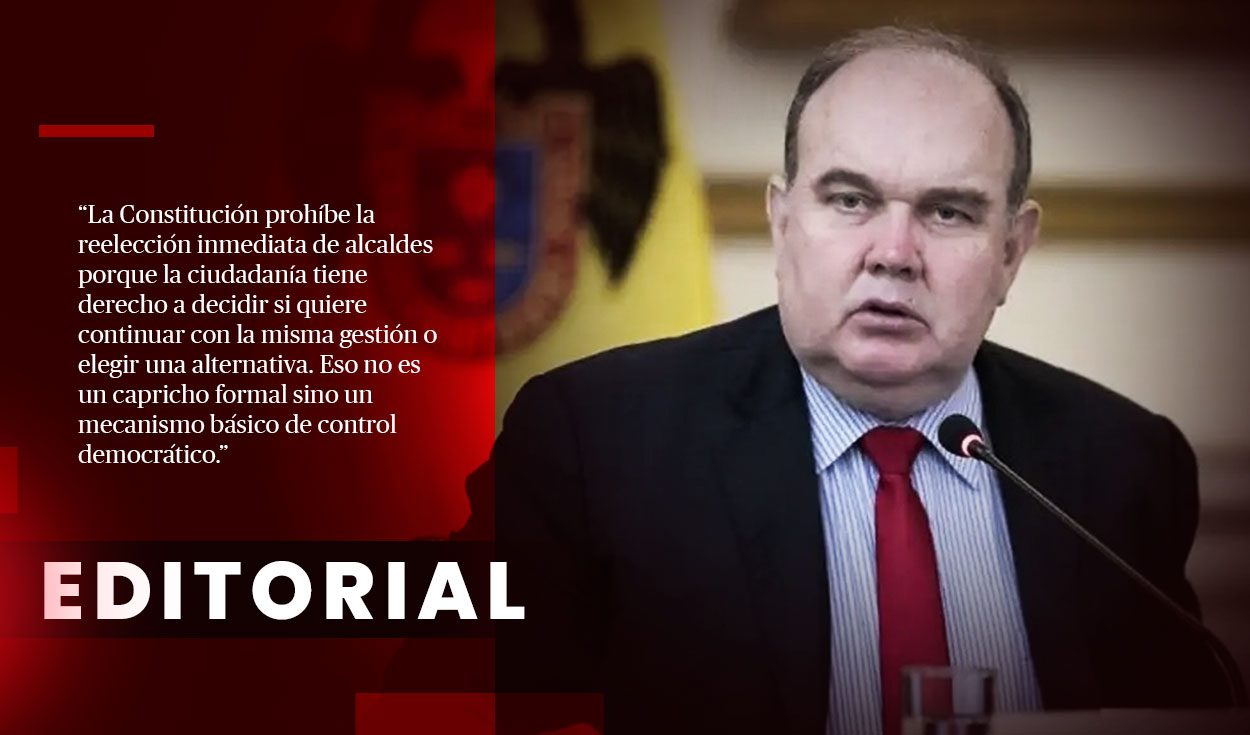
Rafael López Aliaga's case in Lima was the most visible example, but an investigation found it is not isolated. By the close of Peru's electoral registration period on August 5, the investigation had identified 51 mayoral lists nationwide where the registered candidate resigned, leaving the first councilman, the sitting mayor barred from immediate reelection, in charge of the ticket.
The pattern repeats itself: a mayor barred from immediate reelection runs as first councilman while registering someone else as mayoral candidate. That candidate resigns before the deadline, so if the list wins, the first councilman, the sitting mayor, becomes mayor again.
The editorial argues Peru's Constitution bars immediate mayoral reelection so voters can decide whether to keep the same administration, a basic democratic check being sidestepped through the maneuver.
Somos Perú leads the pattern with 12 cases, followed by Alianza para el Progreso with 10, Renovación Popular and Avanza País with 6 each, and Podemos with 4.
JNE President Roberto Burneo said strategies are being devised to circumvent the law, though he acknowledged the current legal framework permits them and that the JNE is limited to enforcing it as written.
Legislative response
Deputy Víctor Piñán of the Obras party has introduced a bill barring a sitting mayor from appearing on a municipal council candidate list in the next election. Opposition deputies from the Consenso por la Democracia bloc have a chance to back the measure early in their term, the editorial says.
Deadlines make it impossible for the Constitutional Tribunal or judiciary to act before this election, leaving an informed citizen vote as the only real check, the editorial says. It calls on Peru's new bicameral Congress to debate Piñán's bill, and similar proposals, so the loophole is closed before the 2030 elections.