Luis Miguel Montero, a journalist who spent 26 years working across different sections of the Spanish magazine Interviú, has published a book uncovering what he calls its best-kept secrets. The book, titled "De Lola Flores a los papeles de ETA" and released by publisher Maluma, goes beyond cataloguing the magazine's famous nude covers to explain how the publication actually operated.
Montero said the book was not born out of nostalgia but out of a need to explain how that style of journalism worked and why it mattered at the time. He told this newspaper that if he were offered the chance to relaunch Interviú today, with the same resources, the same salary and the lack of fixed working hours it once had, he would say yes, though he admits everyone knows doing so is now impossible.
A Magazine Like No Other
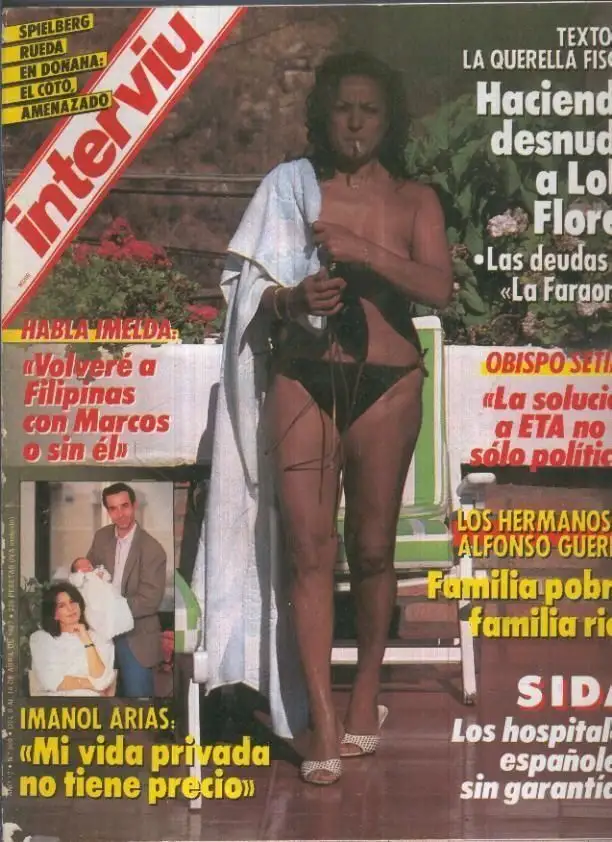
Interviú hit newsstands months after the death of General Francisco Franco and closed in 2018. Montero described it as "very sui generis," with nothing else quite like it, calling it a Spanish invention. Abroad, he said, staff struggled to explain what the magazine actually was, so they described it as combining the cover of Playboy, the investigative reporting of Newsweek and the political coverage of Time.
Founder Antonio Asensio built the title around four main pillars, all of which Montero worked on before spending his final years at the magazine in its archive: interviews with the women who appeared on its covers, crime reporting, investigative journalism, and social affairs, which he said he particularly enjoyed. Montero argued that Interviú effectively mirrors Spain's recent history, since almost any murder, kidnapping, fraud or disappearance the public can recall was covered by the magazine, and its evolving treatment of such stories traces the country's own changes across different eras.
Nude Covers That Made Headlines
Among the magazine's most talked-about covers was issue 788, published in 1991, whose headline read: "At last!!! Spain's most anticipated photos. Marta Sánchez completely nude." Montero writes that the singer, one of the leading erotic icons of the late 1980s and early 1990s, still gets asked about those photos in interviews decades later.
The only cover to rival it, according to Montero, featured actress Elsa Pataky, whose photos caused a sensation when they appeared in issue 1,612 on March 19, 2007. He said the story behind how those photos came to be published involved a great deal of chance.
Creative Freedom and Colorful Interviewees
Montero said Interviú never had a clearly defined editorial line the way publications do today, arguing that self-censorship now plays a far bigger role than it did in the past. Writers who contributed to the magazine included Emilio Romero, Manuel Vázquez Montalbán, Camilo José Cela and Paco Umbral. According to Montero, everything had a place and the staff enjoyed real freedom.
He also said the public figures interviewed in past decades were more entertaining than those of today. He singled out Bárbara Rey as someone who delivered a headline-worthy line every few words, contrasting that with current interview subjects, including footballers and film actors, who he said now tend to stick to politically correct answers and reveal little.
Interviú was also the outlet that photographed footballer Sergio Ramos nude in a bathtub full of balls, and captured former Prime Minister Felipe González, politician Manuel Fraga and Communist leader Santiago Carrillo wearing the Spanish national football team's 1982 shirts. Montero said it would be unthinkable to ask current politicians such as Pedro Sánchez or Alberto Núñez Feijóo to do anything similar today.
Undercover Reporting and Blank-Check Assignments
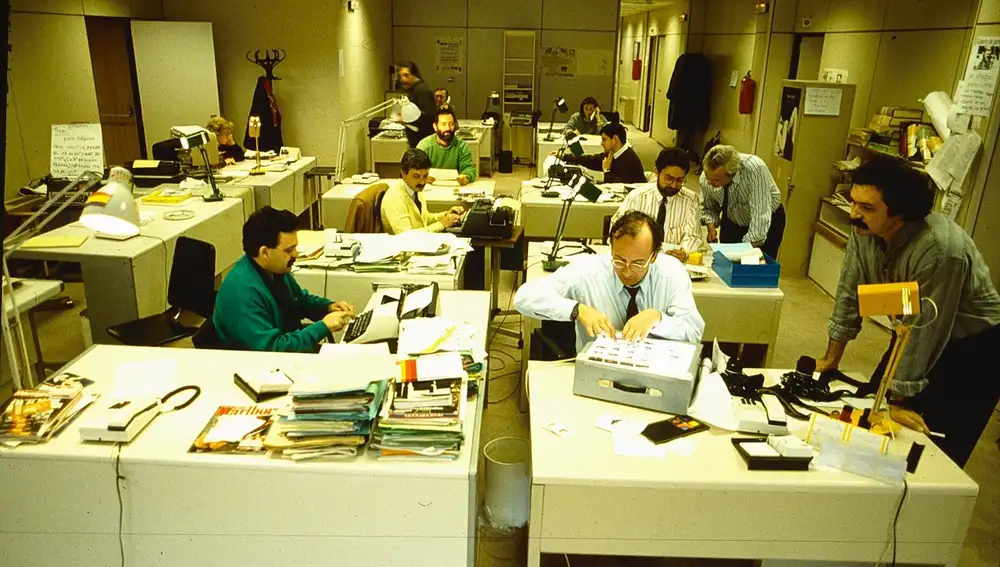
Montero said the book is also aimed at young journalists, so they can understand how stories were pursued in the past compared with now. He argued that gaining access to the home of the man responsible for the Puerto Hurraco killings would be impossible for a reporter today, whereas in his time such assignments were simply expected and carried out without being asked. Montero recalled once posing as a lawyer to gain entry to the prison in Alcalá de Henares.
He also described being sent to search for the father of businessman Javier de la Rosa while the elder De la Rosa was evading justice. Montero said he spent a month in Paraguay with no restrictions on time or money, effectively given a blank check to complete the assignment, something he says no media outlet would fund today.
Moral Limits and Newsroom Culture
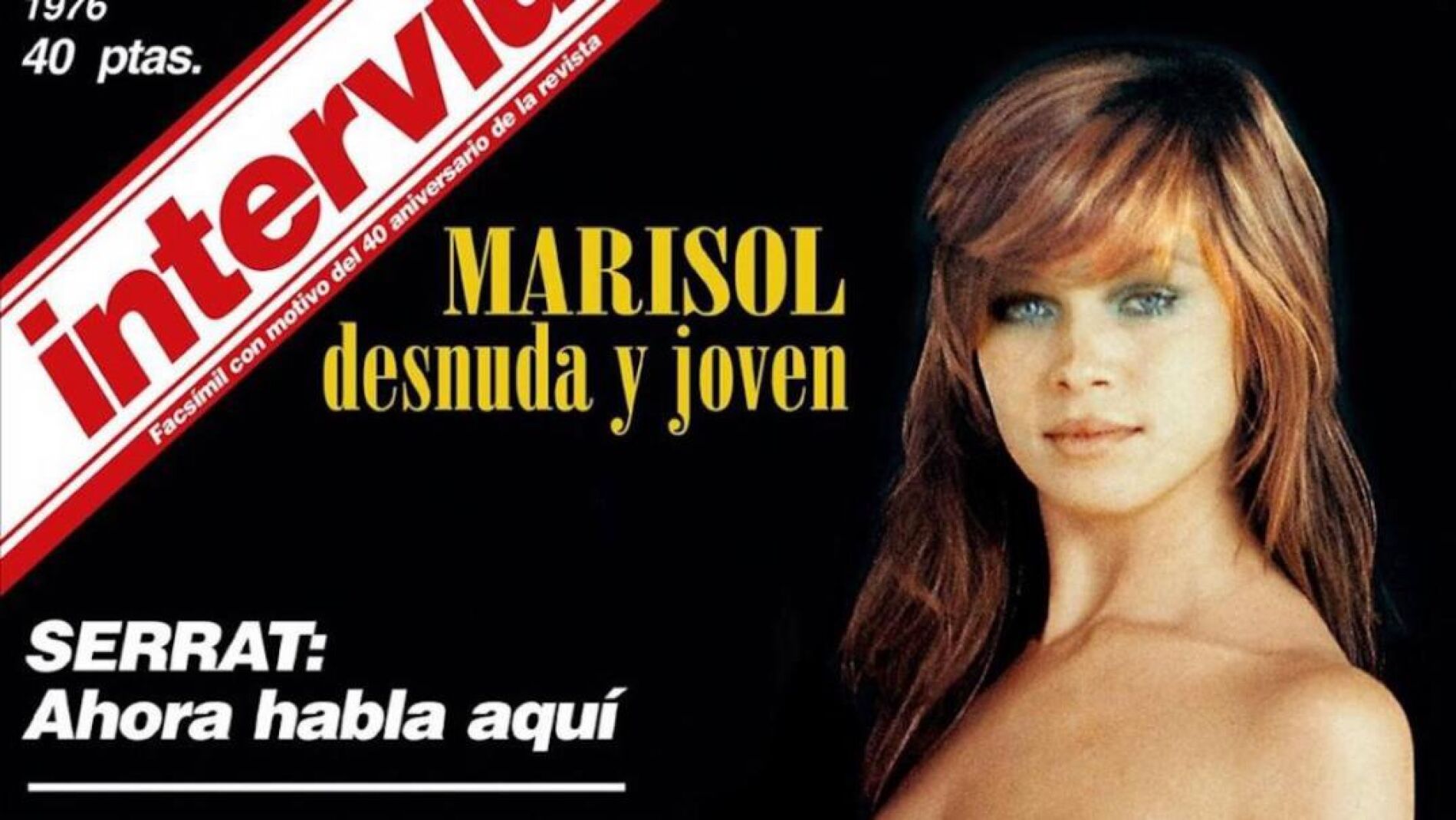
Interviú's pages also featured a cover of the actress and singer Marisol, business dealings involving flamenco star Lola Flores, and photographs of television presenter Jesús Vázquez published during LGBTIQ+ Pride month. Some of its biggest stories came from daring newsgathering, such as when Miguel Ángel Gordillo, then deputy director of the magazine, traveled with two colleagues to obtain documents from the Basque separatist group ETA that became a landmark piece of journalism.
Not everything the magazine obtained was published, however. Photographs of King Juan Carlos nude in Mallorca were never printed. Montero said one of the most serious controversies involved a 2003 photograph of the Duke of Feria, where he believes the girls pictured could have been better pixelated. The image caused problems inside the magazine, prompting staff to sign a letter of protest.
On the treatment of women, Montero said nothing is more sexist than one woman telling another what to do with her body. He noted that few women worked as reporters at the magazine, only about two, but said one of them always maintained she had never felt better treated in any other newsroom.
The Invention of Provocation Journalism
Montero's book also examines what he calls "false stings" and provocation reporting, a genre he says Interviú invented, built more on performance than straightforward reporting. He highlighted the work of journalist Luis Cantero, who staged situations to observe how people reacted, including a project that took him around the world visiting brothels in different countries to document the reality behind them. Montero said Cantero's contributions were only fully appreciated after his death, and argued that the role of the journalist deserves greater recognition, since figures like Cantero cannot be replaced.