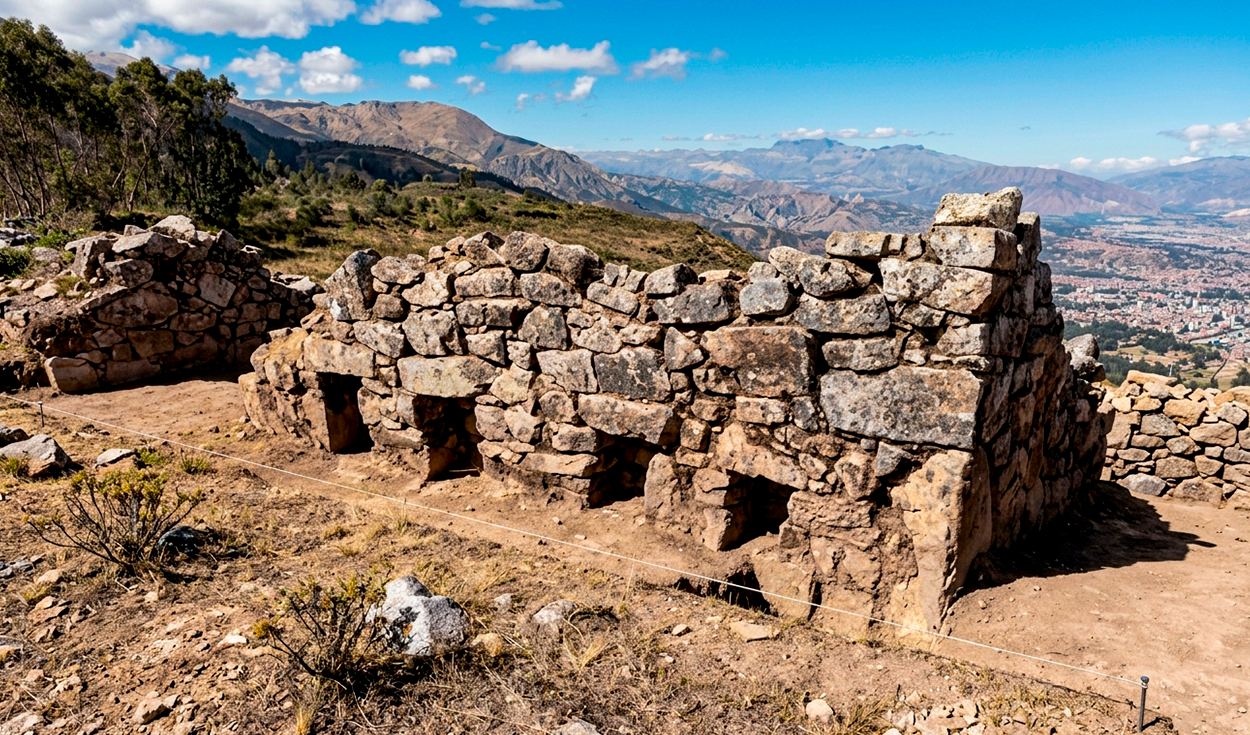
Peruvian archaeologists working in the Cajamarca region have discovered the remains of an ancient Inca storage complex equipped with internal ventilation channels. The discovery was made at an elevation of 3,400 metres above sea level on the summit of Huaman Orco, also known as Chauchabamba, in the Condebamba valley of northern Peru.
Official reporting from the state news agency Agencia Andina confirmed that field investigations are being conducted in the Wancasanga area. The excavation represents the first phase of the Wancasanga 2026 Archaeological Research Project, which is directed by archaeologist Jerry Solano Calderon and sponsored by the Condebamba District Municipality.
Preliminary findings indicate that the mountain complex served as a logistics centre for collecting and managing supplies across the region. Specialists noted that the precise function of the site will be confirmed as laboratory analysis of architectural patterns, ceramics, and recovered cultural materials continues.
Circular structures and ventilation ducts
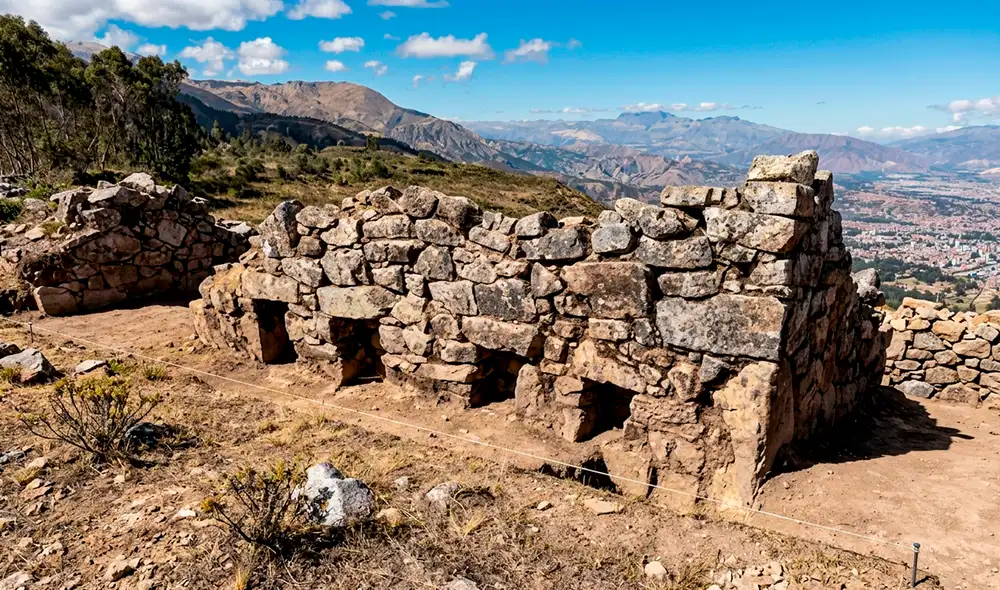
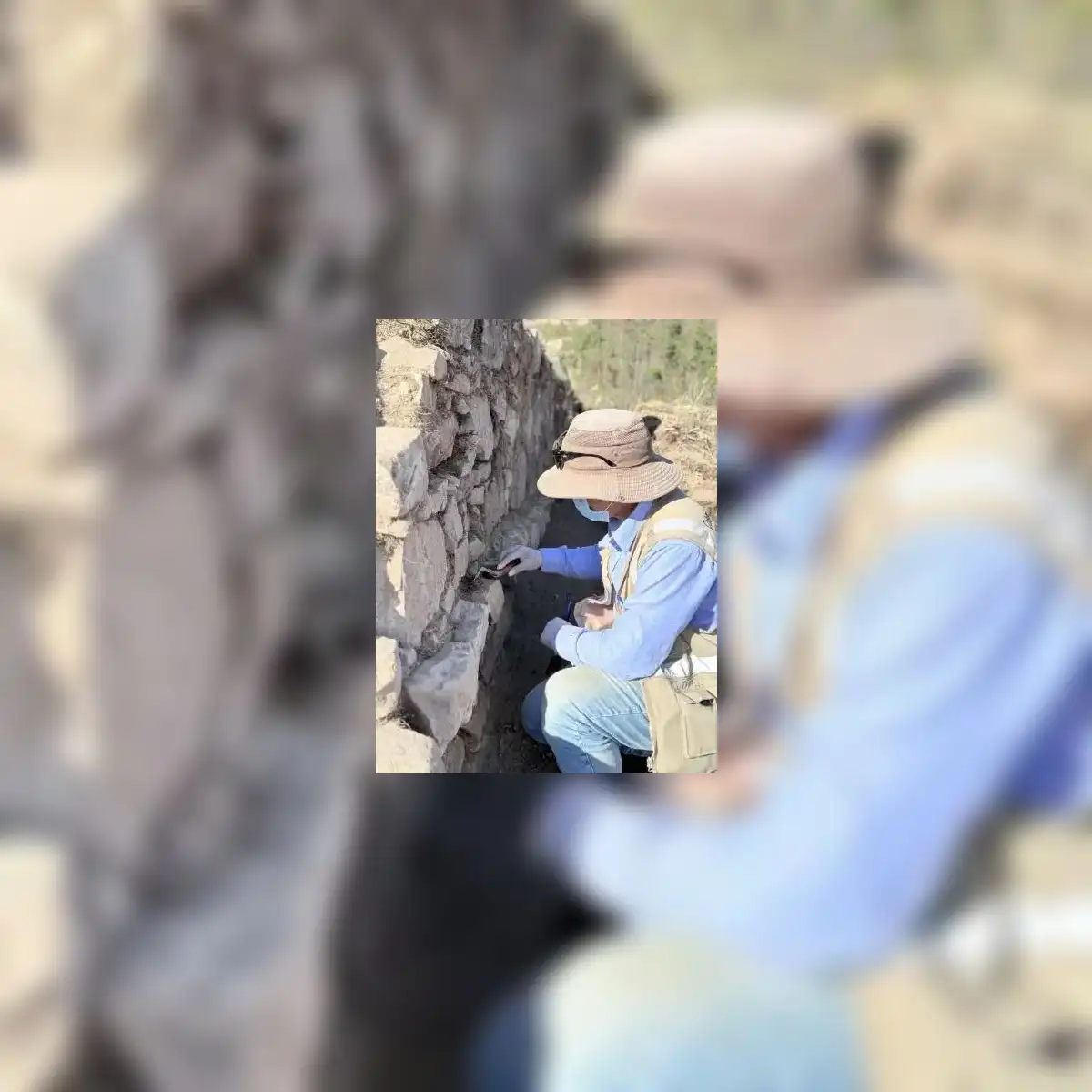
During the initial systematic exploration of Sectors C and D within the settlement, researchers recorded 12 circular structures arranged in a crescent layout inside Excavation Unit 02. A few metres away in Excavation Unit 01, state news outlet Agencia Andina confirmed the discovery of an isolated building constructed with a pair of internal ventilation ducts designed to regulate airflow.
Archaeologist Oswaldo Ezeta Latoche, a member of the research team, explained that these ducts feature side walls constructed from edged and partially faced stone blocks topped with large stone slabs. He noted that this structural configuration allowed air to circulate inside the building chambers.
Ezeta Latoche added that the architectural layout matches traditional storehouses identified along the Qhapaq Ñan, the extensive Inca road system, where wall openings were used to preserve perishable food and goods.
Strategic location and imperial planning
The positioning of the storehouses reflects deliberate territorial planning by imperial Inca engineers. Project director Jerry Solano Calderon specified that the enclosures were constructed toward the far western edge of Sector C, an area directly exposed to strong prevailing winds.
Solano explained that placing the structures in wind exposed zones optimized the performance of the ventilation channels. Researchers stated that the combination of high altitude, natural wind currents, and imperial architecture supports the hypothesis that the complex functioned as a specialized regional storage facility.
Artifacts and state supply management
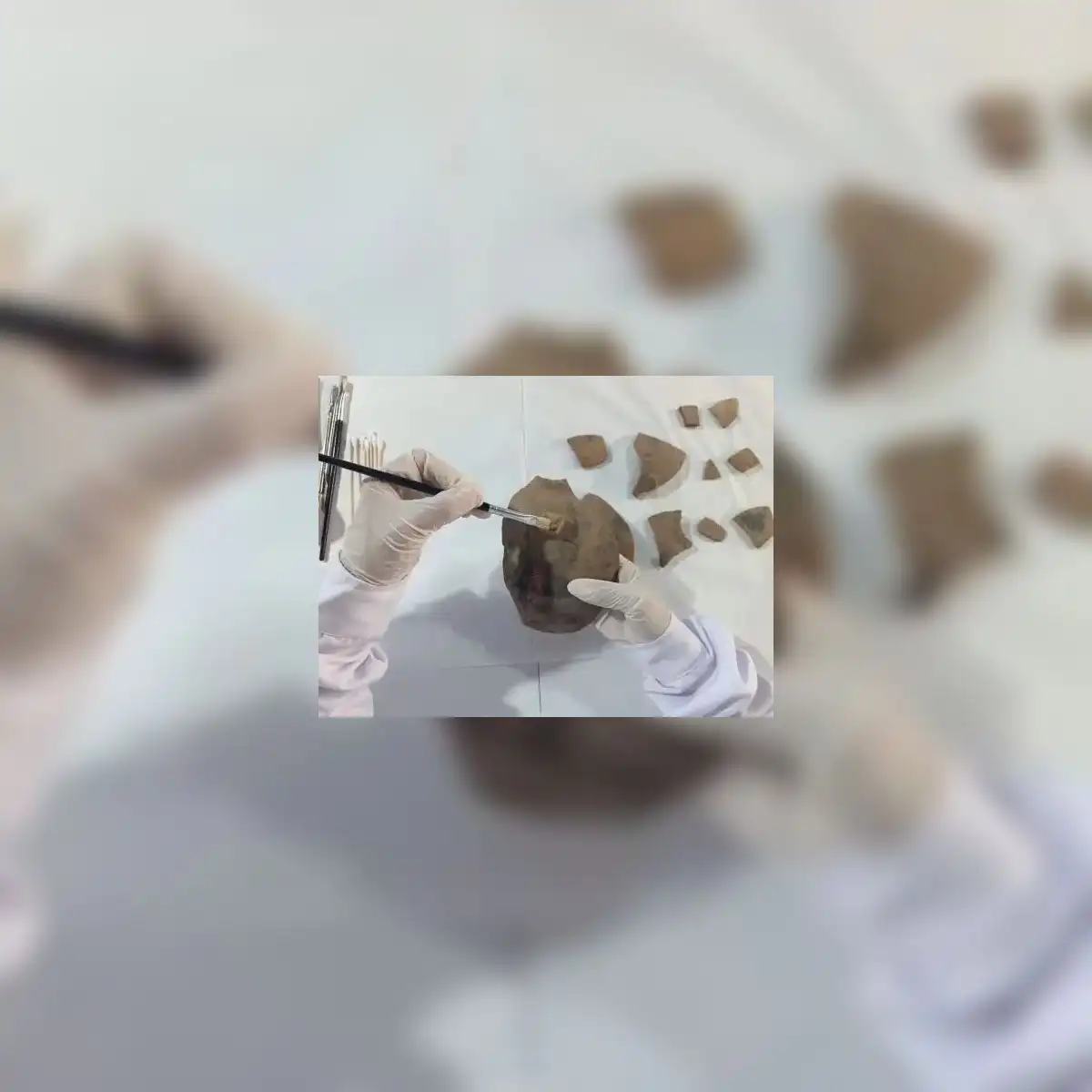
Excavations inside one of the site buildings yielded fragments of an ariballo, a traditional Inca ceramic vessel featuring a narrow neck and pointed base used for storing and transporting liquids and commodities. The vessel directly connects the site to the imperial administration of Tahuantinsuyo, though specialists will evaluate its precise context and dating before issuing a final verdict on the complex.
State storage facilities, known as colcas or qollqas, were essential to maintaining political and economic stability across the Inca Empire. According to a technical report from the Qhapaq Ñan Project of Peru's Ministry of Culture, colcas allowed authorities to collect and distribute surplus goods to government officials, state workers, royal messengers, and military troops, while sustaining relief distribution systems during crop shortages.
The Ministry of Culture report highlighted that the storage deposits in northern Peru will provide key information regarding how the Condebamba valley was integrated into the imperial supply network.
Community collaboration and historical survey
The 2026 excavation reactivates topographic documentation initiated in 1989 by archaeologist Jose Pineda Quevedo, who first recorded pre-Columbian settlement patterns in the area. Current fieldwork updates those historical records using modern excavation methods.
The project combines scientific fieldwork with community involvement from residents of Chauchabamba and graphic documentation support from the Yachayhuasi Museum of Cajabamba.
Project leaders said this alliance between archaeologists, local authorities, and residents will help determine the exact operational timeframe of the site. It will also clarify historical connections between Wancasanga and neighbouring ancient settlements in the valley, including the site of Ichabamba.