


A new study published in Science by researchers at the University of Sydney and the University of Glasgow reveals that natural sugars were essential for human brain evolution over the past four million years.
For decades, evolutionary theories centered on meat consumption and the use of fire to explain how human brains expanded. While meat provided protein and fat to build body tissue, scientists found that the growing brain required a steady supply of glucose to function.
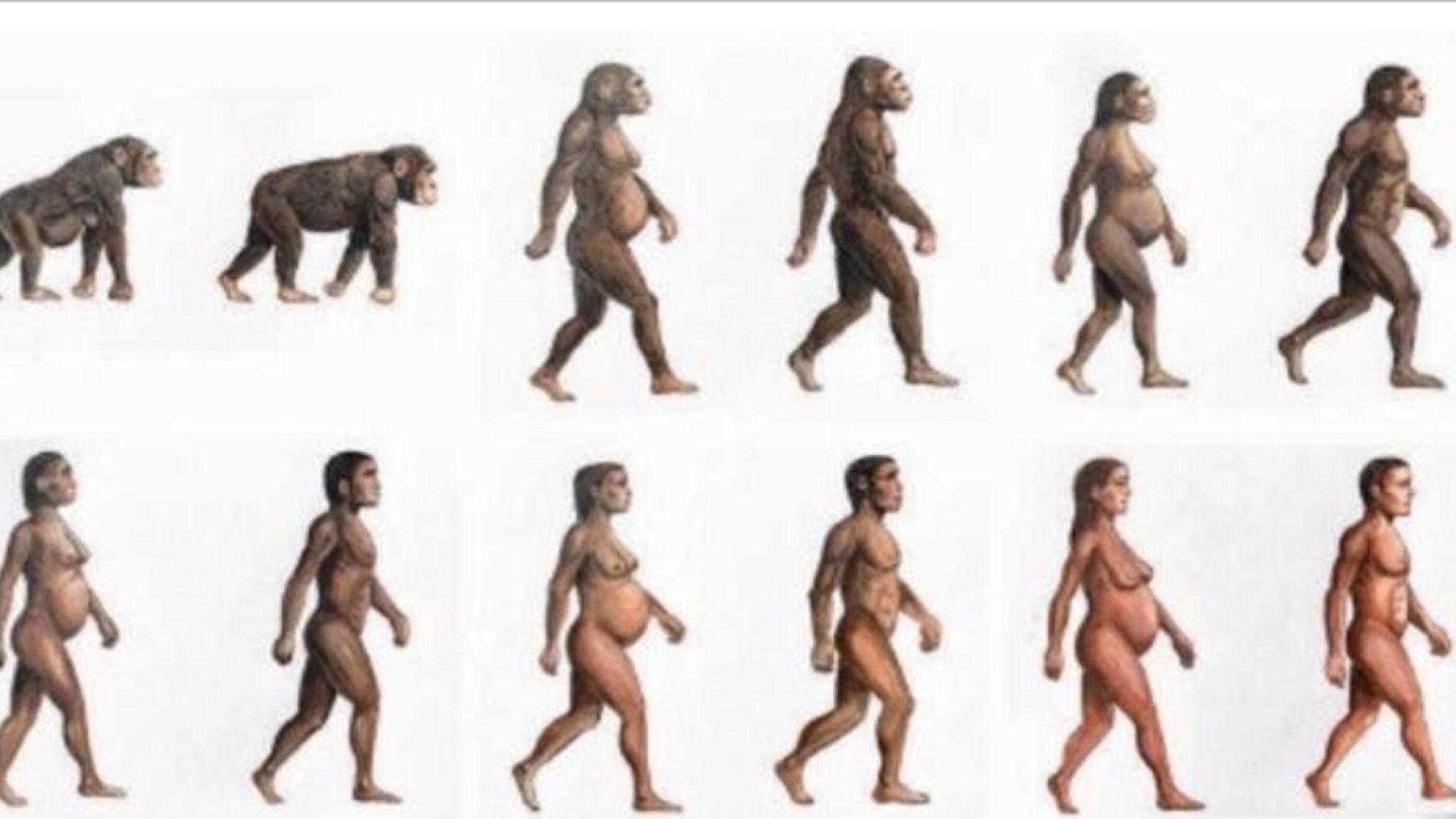
Jennie Brand-Miller, a professor of human nutrition at the University of Sydney and lead author of the study, explained that although animal foods were important, anthropologists have paid little attention to the brain requirement for glucose. She noted that the human brain is unusually large relative to body size and relies on glucose as its primary fuel, which ancestors obtained from fruits and honey.
Glucose needs of growing neurons
Four million years ago, early hominids possessed brains weighing roughly 300 grams, similar in size to modern chimpanzees. Over millions of years, the organ expanded to average approximately 1,500 grams in modern humans.
Although the human brain accounts for only about two percent of total body weight, it consumes roughly one fifth of all energy used by the body at rest. Brain cells rely almost completely on a continuous supply of glucose and can cease functioning within minutes without it. Protein constructs tissue and fat stores energy, but glucose keeps neurons active.
The University of Sydney, located in Australia, collaborated with Scotland's University of Glasgow on the project. The journal Science, published by the American Association for the Advancement of Science, is among the world's leading academic publications.
Reconstructing four million years of human diet
To determine ancestral energy requirements, the research team calculated the obligatory glucose demand, which represents the minimum sugar required by the brain, red blood cells, kidneys, and reproductive tissues including the fetus, placenta, and mammary glands.
The researchers reconstructed four million years of hominid history by building a comprehensive model. Their analysis integrated data from physiology, nutrition, genetics, archaeology, dental morphology, food composition, fossil isotope studies, and primate diets.
Simulations indicated that early hominid species, including Australopithecus afarensis, Homo habilis, and early Homo erectus, relied heavily on fruits, honey, and other natural carbohydrates. Australopithecus afarensis is an extinct hominid species famously represented by the fossil specimen known as Lucy.
Evolutionary role of cooked tubers and honey
The study found that starches from wild roots and tubers, such as yams and rhizomes, only became an efficient energy source much later, after hominids mastered fire to cook food.
Cereals entered the human diet far more recently. Archaeological evidence shows that seed grinding for flour began approximately 65,000 years ago, a brief period compared to the millions of years of brain development.
Brand-Miller noted that while modern society associates carbohydrates with bread or processed grains, ancestral carbohydrates consisted of fruits, honey, and underground plant organs throughout most of human evolution.
Metabolic demands of pregnancy and childhood
The research model also accounted for the heavy metabolic costs associated with pregnancy and lactation. Fetal growth, placental function, and milk production require substantial amounts of glucose, increasing nutritional demands on females.
David Raubenheimer, a professor of nutritional ecology and study co-author, explained that evaluating evolutionary foods requires looking beyond brain growth to consider the nutritional burdens of pregnancy and infant care. The authors suggested that these pressures may explain why pregnant women often develop specific cravings for fruit.
Furthermore, the findings offer an evolutionary explanation for why children possess a strong preference for sweet foods. During childhood, the developing brain consumes up to two thirds of the body's basal metabolism. Brand-Miller concluded that the human drive for sweet tastes is instinctive, noting that naturally occurring sugars in wild fruits and honey come packaged with fiber, vitamins, and minerals.



