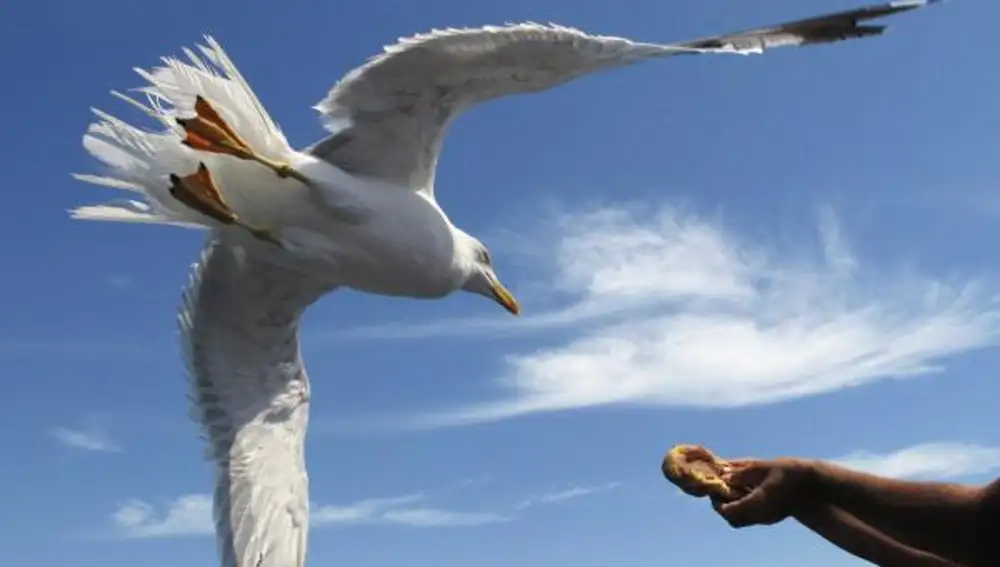
Anyone who has eaten on a beach or seaside promenade has likely seen it happen: a gull swoops in and grabs a chip, a sandwich or even a whole plate of food. It can look like a random, impulsive attack, but several studies suggest the birds make far more calculated decisions than people realize.
Researchers who study animal behavior have found that gulls watch humans to locate food, and even use people's own choices to decide what is worth stealing.
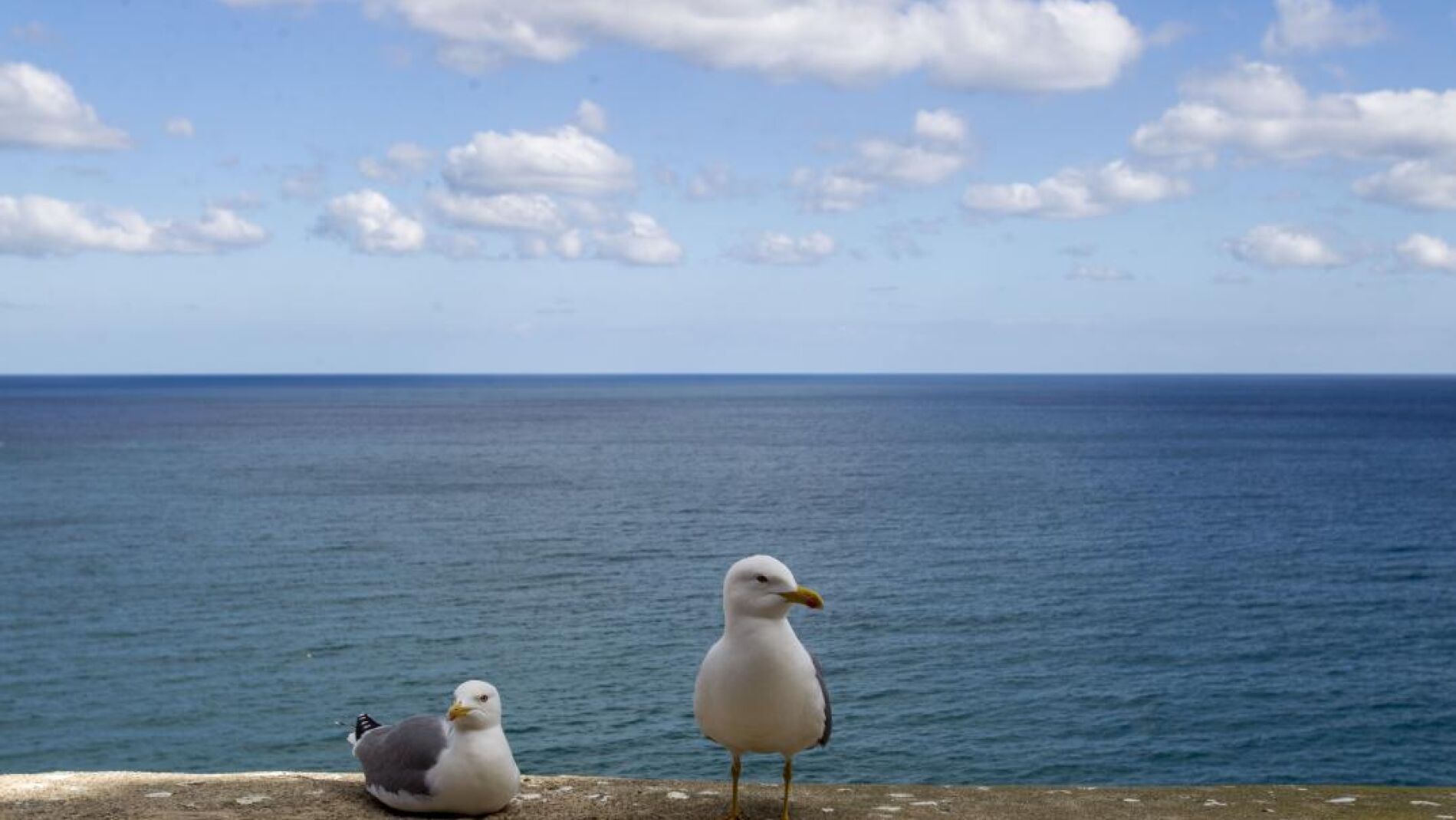
Gulls watch people to choose their food
Franziska Hacker, a researcher at the Australian National University, studied gull behavior during research carried out in the coastal city of Brighton, in the United Kingdom.
In one experiment, she offered the birds two bags of chips in different colors while she ate from a third bag herself. The gulls tended to approach the bag that matched the color of the one she was eating from.
Hacker told the BBC that the birds picked the same option as the human in around 95 percent of cases. Researchers say this shows gulls can use human behavior to judge which food is most worth going after.
The researchers believe this ability points to a level of learning that is unusual among wild animals. It lets the gulls spot opportunities for food and pick the best moment to act.
The simple trick that can stop the thefts
Laura Kelley, a researcher at the University of Exeter, set out to find ways to stop gulls from stealing food. Her studies found the birds grow more cautious when they sense they are being watched.
To test this, her team placed toy eyes on food containers during a series of trials in coastal towns in southwest England. Many gulls avoided approaching the boxes decorated this way, suggesting they read the markings as a possible threat.
The researchers also found that not all gulls reacted the same way. Some quickly learned the eyes posed no danger, while others kept their distance. Kelley said a small group of especially bold birds is responsible for most of the food thefts.
Because of this, experts recommend keeping food covered and avoiding leaving it out in plain sight. Looking a gull directly in the eye, they add, may also make it think twice before trying to make off with your lunch.