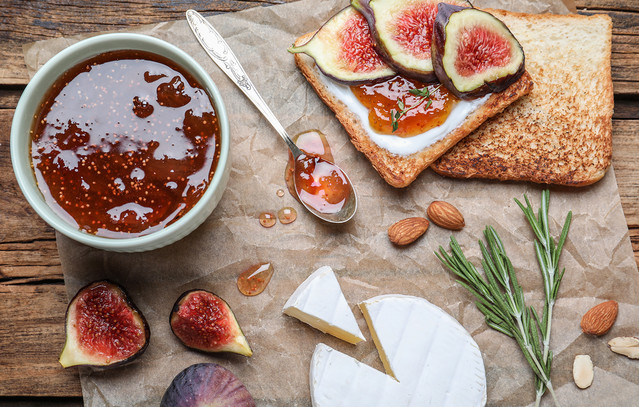
A recipe for homemade fig jam requires one kilogram of ripe figs, between 500 and 600 grams of sugar, and the juice of one lemon.
The instructions also list optional flavorings to enhance the preserve, giving cooks the choice to include either one unit of vanilla or one teaspoon of vanilla extract, along with one cinnamon stick.
Preparation begins by washing the ripe figs, removing the stems, and cutting the fruit into pieces. The chopped figs are then combined in a pot with the sugar and left to rest for one to two hours so the fruit can release its natural liquids.
Cooking process and texture adjustments
Once the resting period ends, the lemon juice is added to the pot. The mixture is brought to a boil over medium heat for approximately 35 to 45 minutes, with frequent stirring required until the jam thickens and sets.
When the jam reaches its proper consistency, the optional vanilla or cinnamon stick is incorporated into the mixture. For those who prefer a smoother consistency, the recipe suggests pureeing the jam using an immersion blender.
To complete the process, the hot jam is portioned into sterilized glass jars, sealed tightly, and allowed to cool completely.
Science of fruit preserves
Figs are sweet fruits that harvest in late summer, known for their soft flesh and high natural sugar content. Allowing chopped figs to sit with sugar before cooking is a process known as maceration, which draws out moisture through osmosis to form a syrup base.
Adding lemon juice introduces citric acid and natural pectin, which are essential for achieving a proper gel structure during boiling. Acid helps balance the sweetness of ripe fruit, while boiling evaporates excess water to preserve the finished spread.
Sterilizing jars before filling is a standard food safety step in home canning. Heat treatment destroys micro-organisms, while hot filling creates a vacuum seal as the contents cool, protecting the preserve from spoilage during storage.