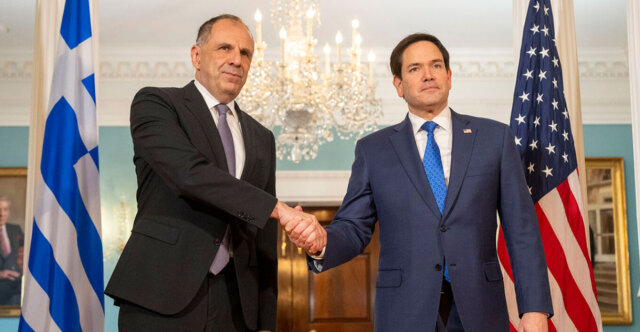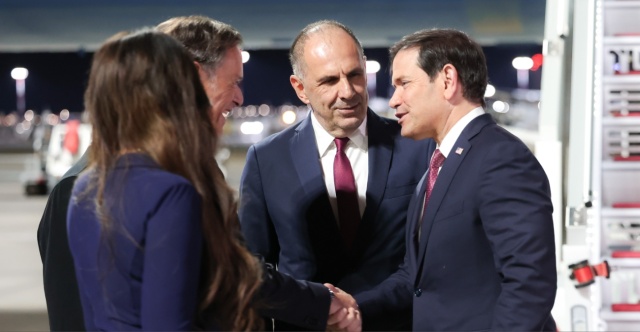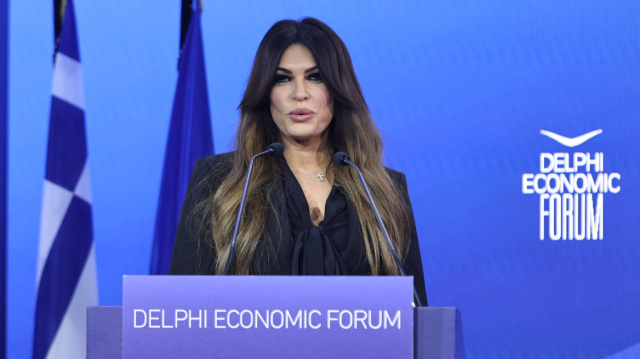
US Ambassador to Greece Kimberly Guilfoyle said Secretary of State Marco Rubio would visit Athens within a few weeks, describing the trip as a sign of the weight Washington places on its relationship with Greece.
Speaking at the 10th Southeast Europe Energy Forum (SEEF2026) in Thessaloniki on September 4, Guilfoyle said Greece had become a central hub in the emerging energy map of Southeast Europe and a key partner for the United States in strengthening regional energy security.
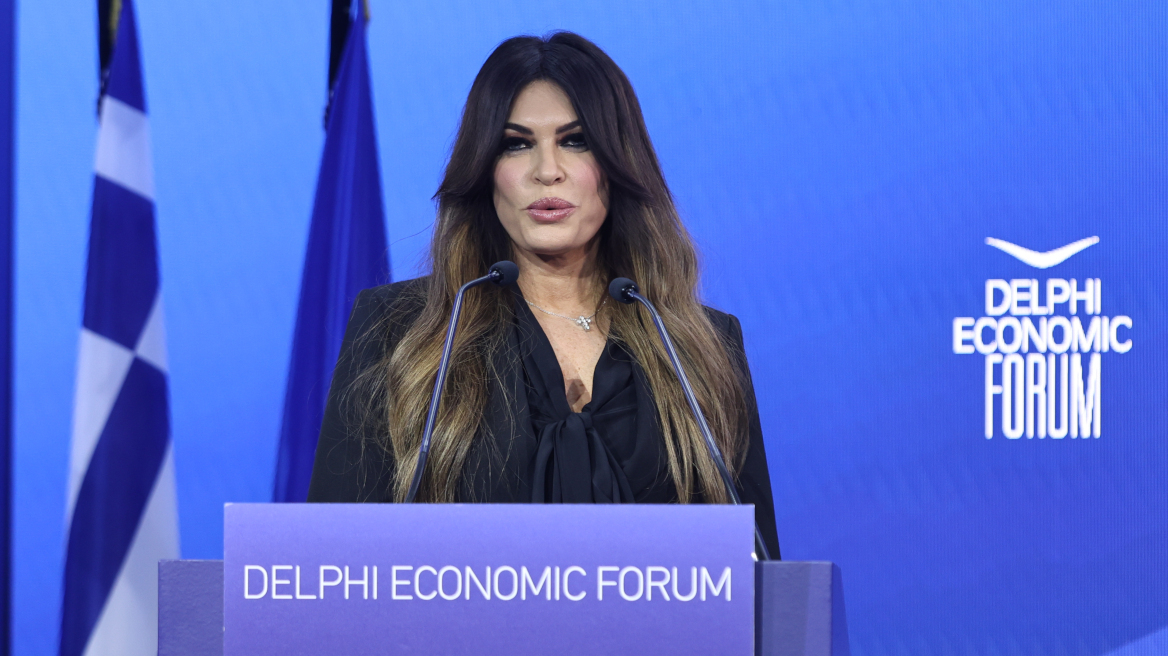
She said energy security was national security, and that Greece was playing a transformative role as the central hub of the Vertical Corridor, offering energy and geopolitical stability to the region. The Vertical Corridor is a gas pipeline network linking Greece, Bulgaria, Romania and Hungary that is designed to carry non-Russian gas, including liquefied natural gas delivered to Greek terminals, north through the Balkans.
Guilfoyle, a former Fox News host appointed to the post by President Donald Trump, said American strategy sought to shield allies through energy independence, and that Greece was now one of the most significant examples of that policy.
US energy deals in Greece
She pointed to agreements reached in recent years for the supply of American liquefied natural gas, saying cooperation between Athens and Washington extended well beyond gas into a broad range of energy investments. She cited deals involving the American companies ExxonMobil and Chevron, along with initiatives tied to Greece's first offshore drilling in four decades.
Guilfoyle said the United States considered Greece a very strong and stable strategic ally in the region, adding that Athens was an active participant in the new energy architecture taking shape across Europe.
Vertical Corridor's expansion
Guilfoyle placed particular emphasis on the signing of a memorandum of cooperation to expand the Vertical Corridor into Serbia and North Macedonia, a development she said further upgraded Greece's geopolitical standing. She said the expansion genuinely broadened Greece's reach and significance in the region, and welcomed the participation of both countries in the project.
She described the project as part of a wider strategy to wean Europe off Russian energy, calling on Balkan governments to plan for the long term so they would not depend for their energy on what she called malicious actors such as Russia.
Ports, shipping and infrastructure
Guilfoyle also highlighted growing American investment interest in Greece, citing the US Development Finance Corporation's investment in the port of Elefsina and broader potential for cooperation in infrastructure and shipping. She said Washington recognized Greece's geostrategic position and its potential as a gateway for energy and trade into Europe.

She referred specifically to shipping, noting contacts held with leading Greek shipowners and discussions on the safety of sea lanes and the transport of energy cargoes.
'From energy consumer to supplier'
Guilfoyle said Greece had been transformed from an energy consumer into an energy supplier for the entire region, crediting Athens with a leading role in new natural gas interconnections and regional energy flows.
She also referred to cooperation between Greece, the United States and Ukraine to supply the Ukrainian port city of Odesa with American LNG via the Vertical Corridor during the energy crisis triggered by the war.
Rubio's visit
Guilfoyle referred to upcoming high-level American visits to Athens, presenting them as evidence of the strategic importance the Trump administration places on Greece. She said Rubio would be in Athens within a few weeks, adding that choosing the Greek capital for such a significant visit reflected the weight Washington places on the bilateral relationship.
She added that the top US diplomat could be anywhere in the world given the number of international crises under way, but was choosing to visit Greece because it was a very important ally of the United States and a very important energy partner.