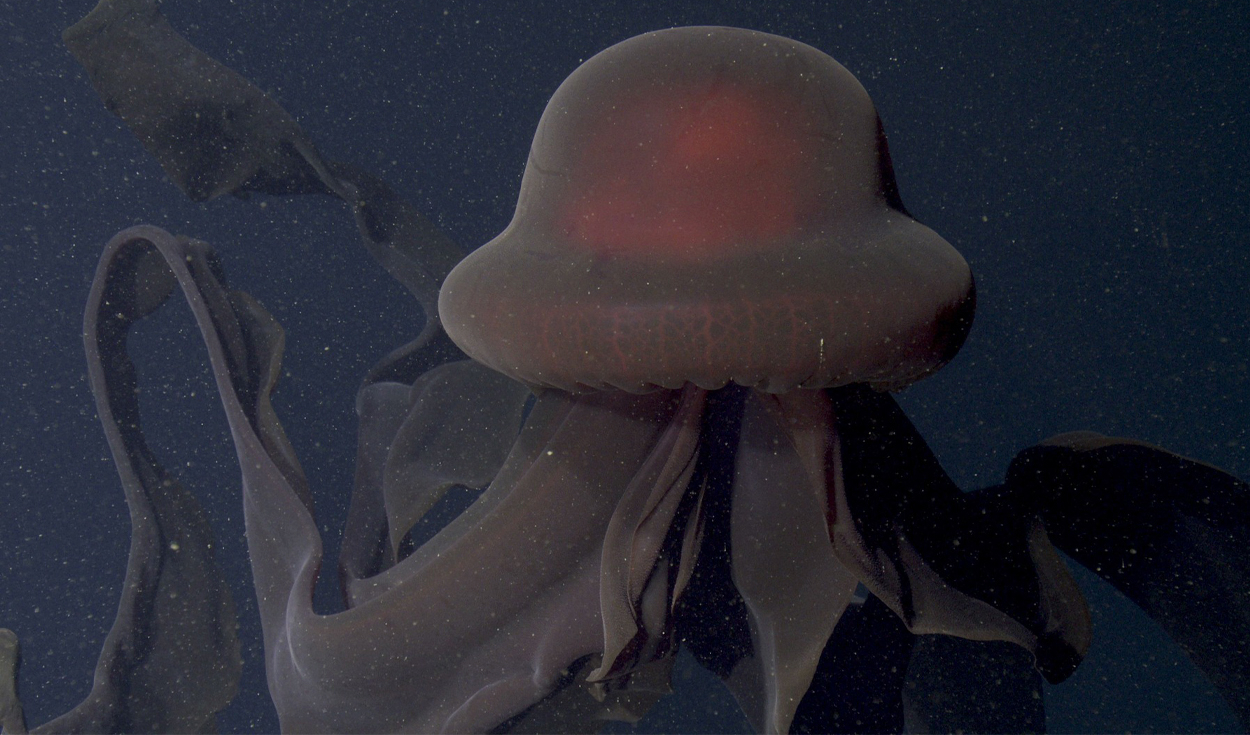
A giant phantom jellyfish with arms stretching more than 10 metres long has been documented in the deep ocean, offering rare scientific insight into one of the sea's most elusive creatures. The species, known scientifically as Stygiomedusa gigantea, is among the largest jellyfish in the ocean and remains rarely seen by humans.
Scientists have recorded just 126 sightings of the mysterious creature since it was first formally documented in 1910. A 2023 sighting off the coast of Costa Rica provided researchers with new footage and data on the animal's physical traits and behavior in its natural deep-water habitat.
Physical features and distinct characteristics
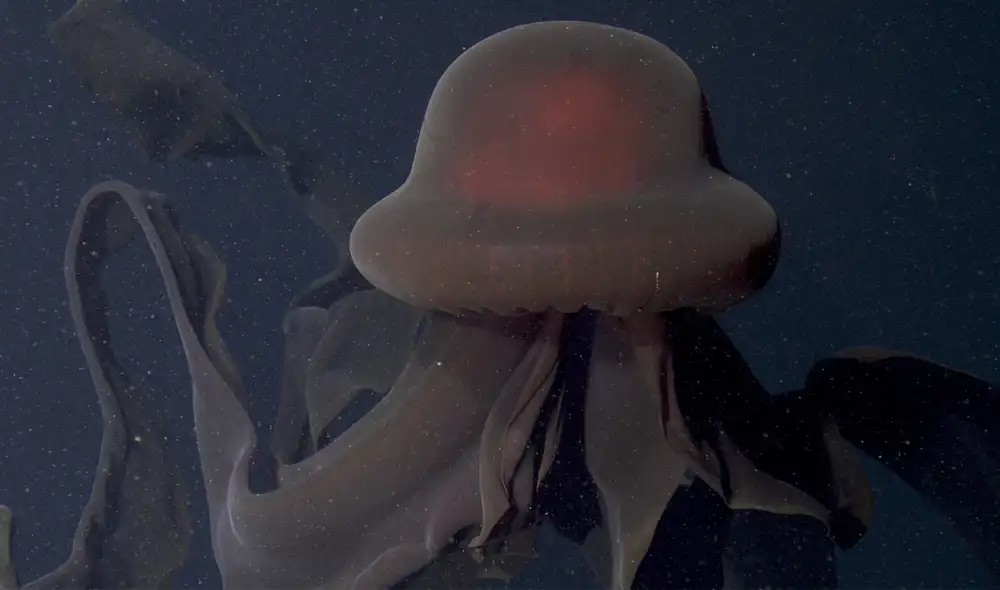
The giant phantom jellyfish features a wide, umbrella-shaped bell that can measure more than one metre across. Hanging from the body are four long, flat arms that extend well beyond 10 metres in length, which the animal uses to navigate and hunt in total darkness.
Unlike most jellyfish species, Stygiomedusa gigantea lacks stinging cells on its tentacles. Its body coloration ranges from a deep reddish-brown to a pale yellowish hue. Oceanographers classify the deep sea below 1,000 metres as the bathypelagic or midnight zone, an extreme environment where water pressure is intense and temperatures remain near freezing.
Researchers noted that the animal moves at a slow and steady pace. By drifting slowly through the water column, the jellyfish conserves vital energy in an ecosystem where food is scarce and environmental conditions are harsh.
Hunting methods in the ocean depths
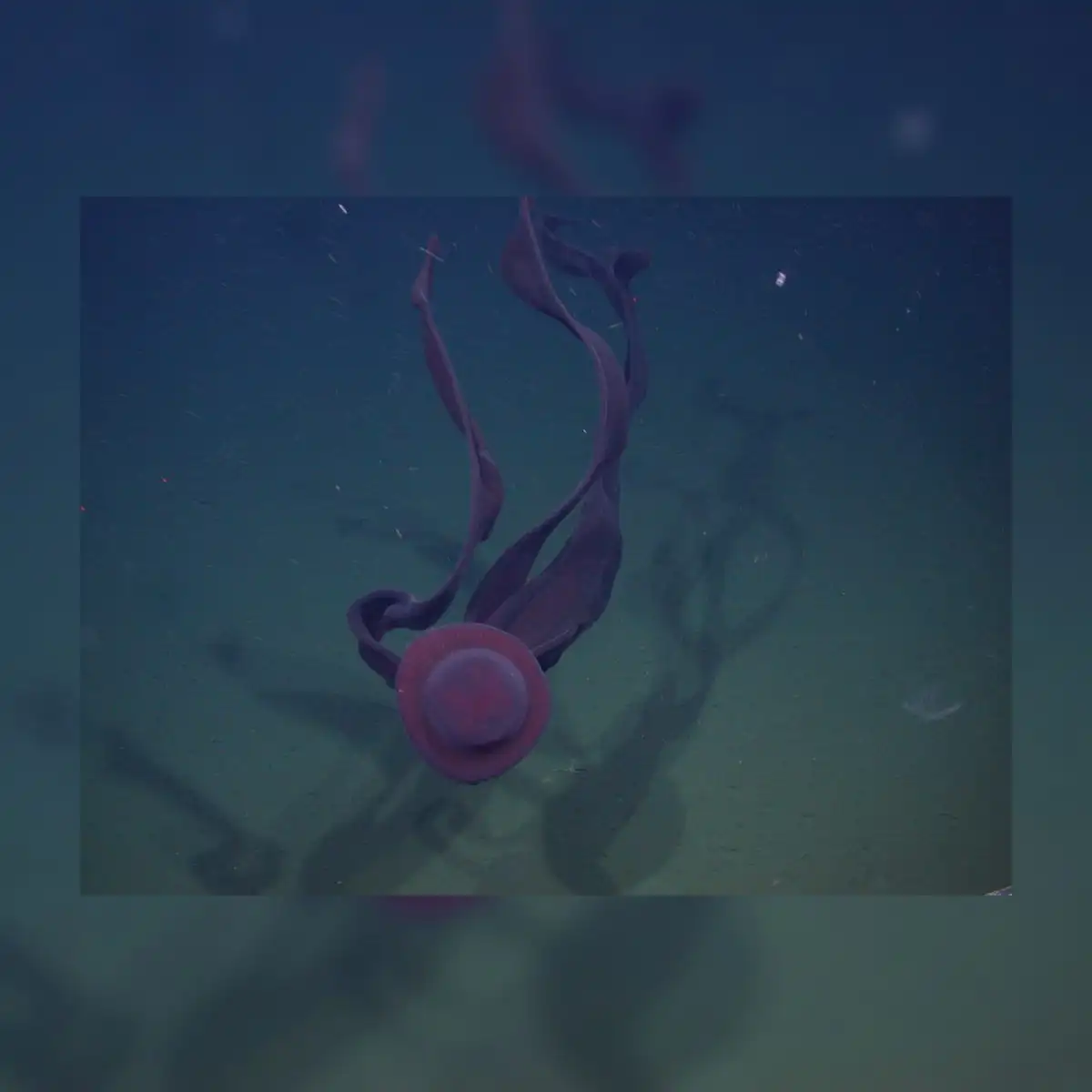
The species inhabits ocean depths between 1,000 and 3,000 metres, a realm where sunlight cannot penetrate and natural resources are severely limited. To catch prey, the medusa utilizes its broad, ribbon-like arms as a floating net to envelope small fish and crustaceans drifting nearby.
Scientific records indicate that the giant jellyfish has no known major natural predators in its deep-sea environment. Its immense size and extreme habitat allow it to remain at the top of its localized food chain without significant threats from larger marine life.
A century of rare deep-sea observations
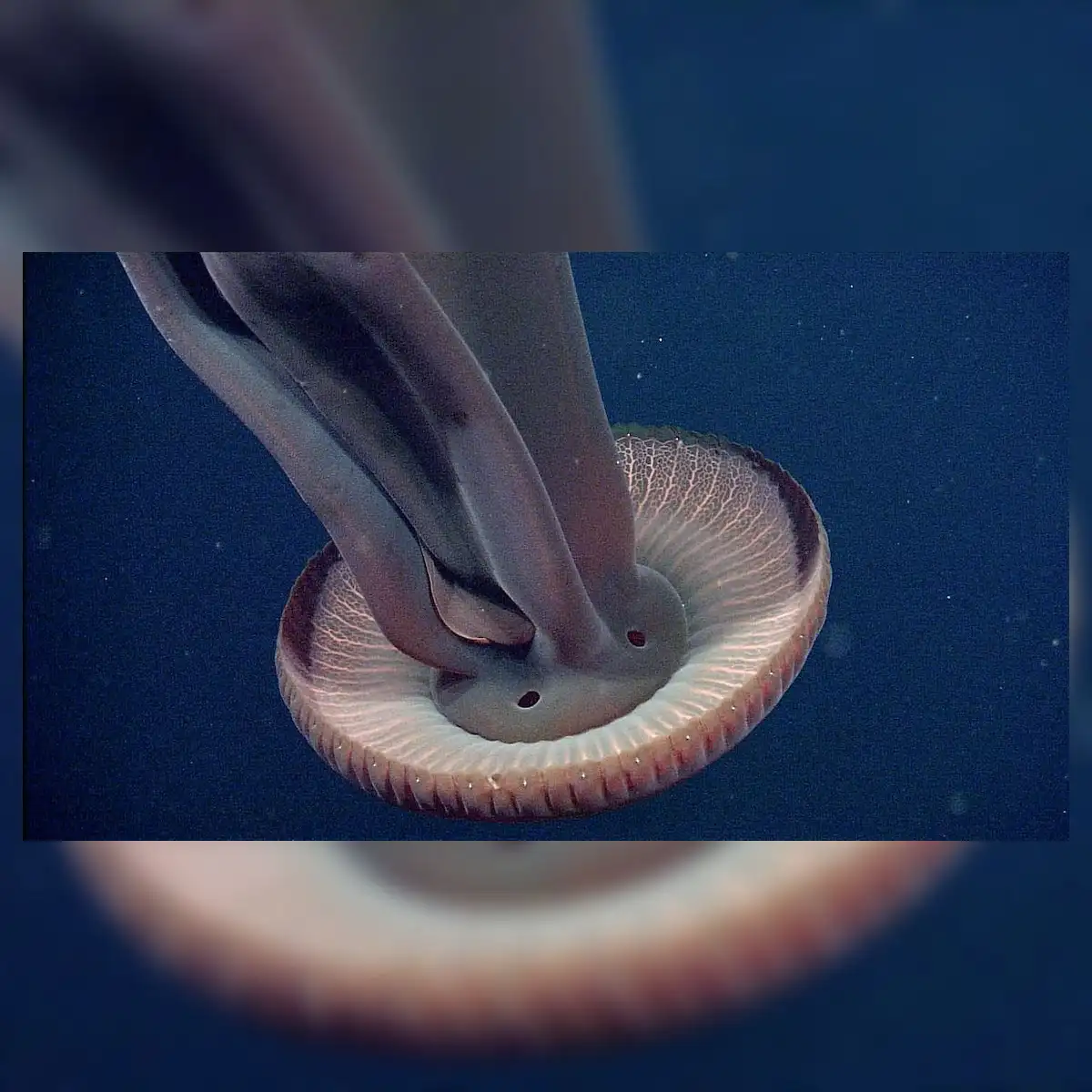
Despite being known to science for over 110 years, Stygiomedusa gigantea remains exceedingly difficult to study due to the remote nature of its habitat. Marine biologists rely on specialized remotely operated vehicles and deep-diving submersibles to observe creatures operating at depths greater than 1,000 metres.
The 2023 encounter in Costa Rican waters added critical visual footage and measurement data to the global record. Oceanographic institutions, including the Monterey Bay Aquarium Research Institute, continue to monitor deep-water ecosystems to better understand how giant invertebrate species survive in the extreme ocean depths.