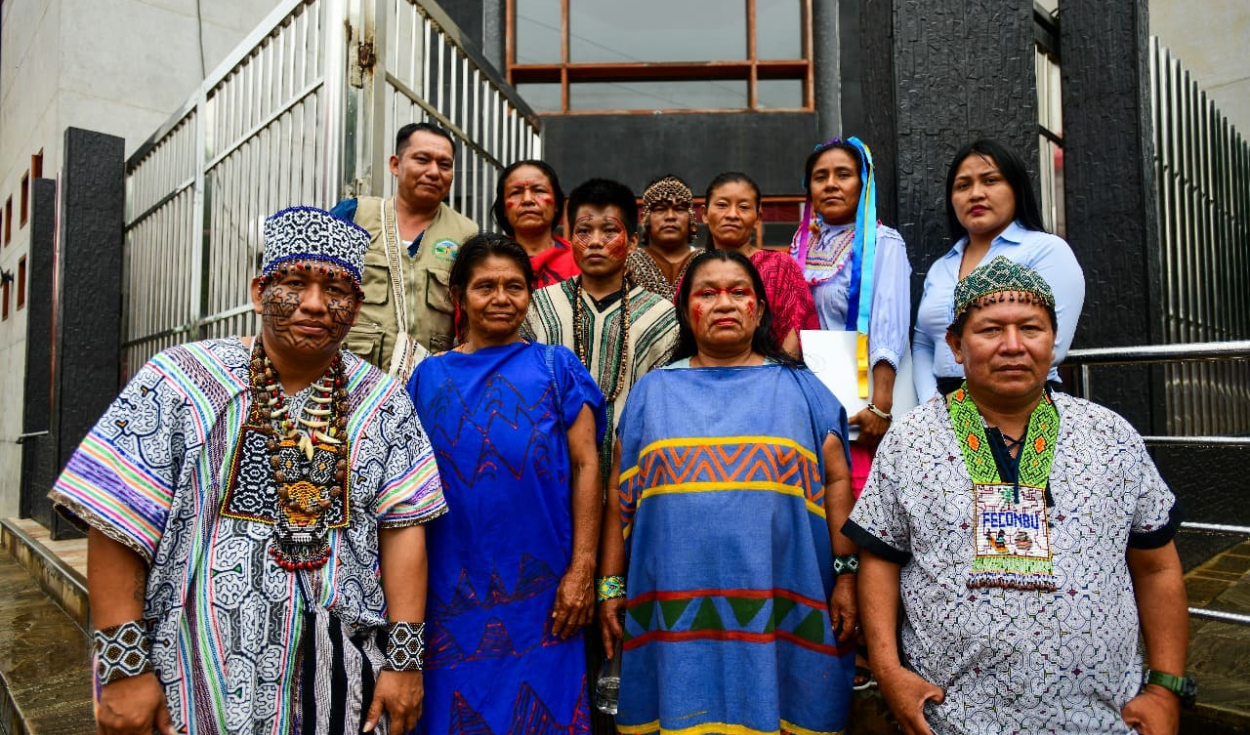
Deputy Giannina Avendaño of Juntos por el Perú has filed a motion to create a congressional investigative commission in Peru to probe killings of indigenous and environmental leaders. The proposal in the Chamber of Deputies aims to determine whether the state responded in time to threats and homicides targeting territory and human rights defenders across different regions.
The proposed working group would include one member from each parliamentary bench in Congress. The motion requires the panel to observe principles of plurality, proportionality, and speciality, covering the 2026 to 2027 legislative year starting from its official installation once approved by the full Chamber of Deputies.
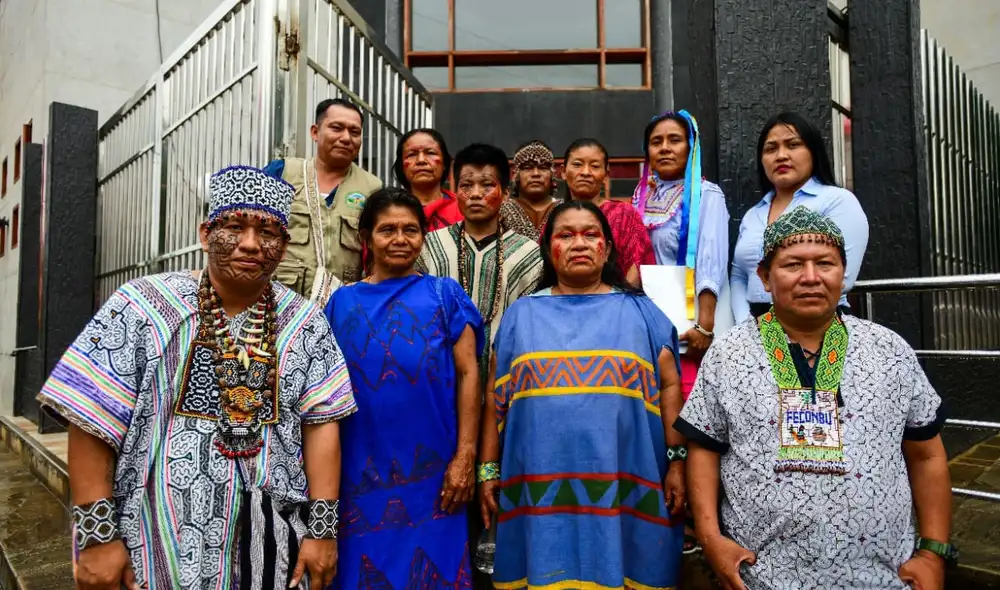
Deputy Jaqueline Tapullima, representing the San Martín region, backed the initiative and pointed to the 2023 murder of indigenous leader Quinto Inuma Alvarado. Tapullima stated that authorities received warnings and prior threats before the crime occurred but failed to act, calling the proposed panel an essential step to deliver justice to affected communities.
Scope and Investigation Powers
Avendaño told La República that overall responsibility falls on the state because multiple government agencies hold jurisdiction over protecting environmental defenders. She cited Supreme Decree 004-2021-JUS, a Ministry of Justice rule that created a protection mechanism after a previous Congress failed to ratify the regional Escazú Agreement.
The list of victims remains open and will be compiled during the inquiry. Avendaño said the panel will review the killings of defenders in Ashaninka territory alongside the case of Quinto Inuma Alvarado.
The lawmaker noted that her party's majority regional representation will serve as a direct connection to social organizations and affected families. She explained that this structure ensures community involvement rather than confining the investigation to experts or officials in Lima.
Under congressional rules, the investigative commission will have the power to summon public officials, state employees, and private entities. Avendaño said the primary goal is gathering complete information on how authorities handled territorial disputes that escalated into violence against environmental defenders.
Political Support and Legislative History
Avendaño stated that she held talks with other opposition benches, who agreed on the need for stronger community protection mechanisms. The motion was submitted last week, and her bench expects backing during the full chamber vote, though she did not clarify whether discussions took place with Fuerza Popular, the majority bench in Congress.
The Peruvian Congress has archived the Escazú Agreement multiple times since 2020. The regional treaty, which took effect in 2021 for participating nations, establishes higher safety standards for environmental and territorial defenders, but Peru remains outside the treaty despite warnings from international bodies.
Avendaño suggested that the debate on the Escazú Agreement could be reopened in the Constitution and Foreign Relations Committee, which originally rejected the treaty. She presented that potential discussion as a parallel effort, without detailing specific steps to restart the debate.
Addressing criticism about why the task should not be handled by the existing Commission on Andean, Amazonian and Afro-Peruvian Peoples, Environment and Ecology, Avendaño explained that the ordinary committee now covers social inclusion, women, and family issues. She said combining these areas reduces the time available to investigate attacks on environmental defenders.
Avendaño also pointed to longstanding flaws in the Justice Ministry protection mechanism, noting budget shortages recorded over a year ago that affected basic services. She added that human rights organizations requested updates on the mechanism's progress but received no answer, which she described as a sign of state neglect.