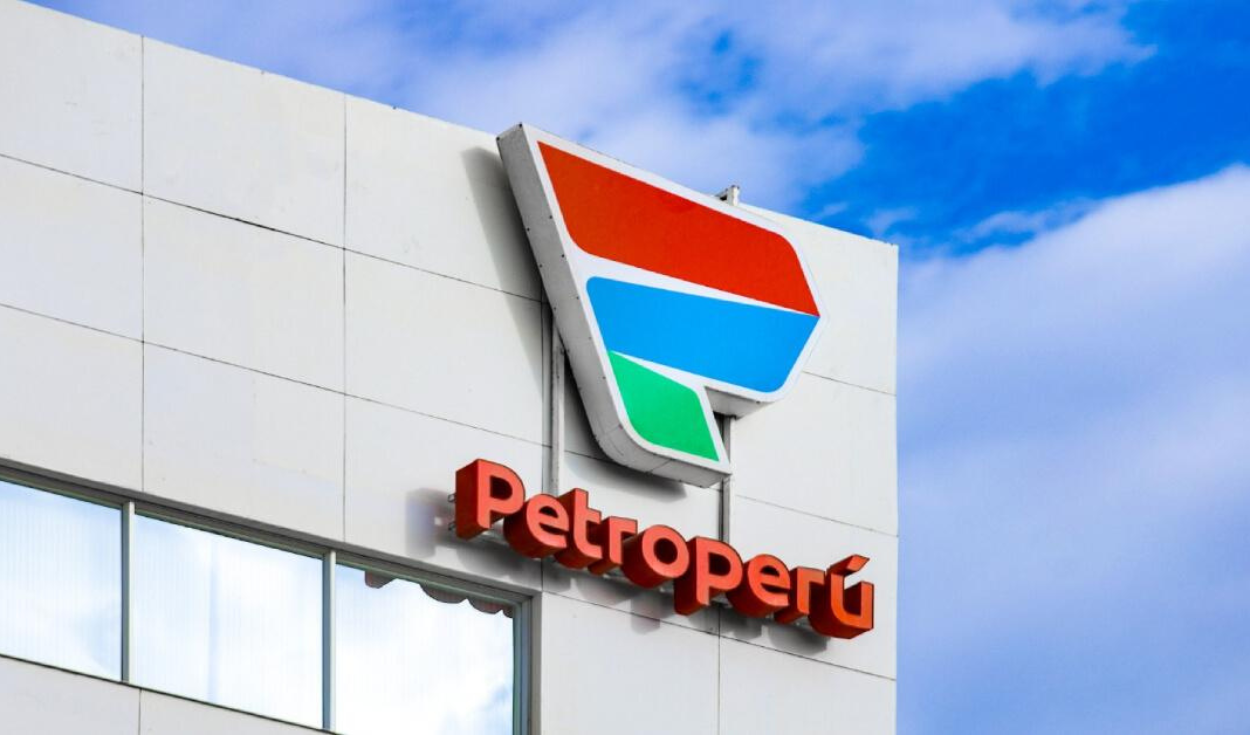
Former board members of state oil company Petroperú, led by Edmundo Lizarzaburu Bolaños, denied approving corporate restructuring decisions for their own benefit. They stated that all decisions during their tenure were taken collectively and unanimously, as recorded in available minutes.
The General Shareholders' Meeting replaced the entire board on August 6, with the exception of Vice President Carlos Linares Peñaloza. Reports subsequently circulated stating that the Executive branch ordered the removal after finding that the outgoing board approved company restructuring, created new management positions, and authorized bonus payments while knowing they would be replaced.
Sources related to Petroperú's former management said claims of a sudden restructuring were false. They explained that the restructuring was discussed over seven weeks with the participation of all directors, including Linares. The sources noted that if the decision had been incorrect, Linares would not remain at the company.
Corporate restructuring and legal mandates
The sources indicated that the organizational changes and salary adjustment reports were corrective measures addressing decisions from prior periods. The board took the actions to fulfill rulings from the Comptroller General of the Republic and the Financial Intelligence Unit.
The board undid the merger of the Audit Management and Risk Management divisions. It also separated the Compliance Management division from the Anti-Money Laundering Department. Sources described the unanimous vote as a technical and legal necessity.
An Ex Officio Orientation Report from the Comptroller General ordered the division of Audit Management and Risk Management because their merger harmed the National Control System and the Good Corporate Governance Code. Sources stated that failing to approve the order could have constituted a serious omission of duties.
Compliance with financial intelligence rules
The board separated Compliance Management from the Anti-Money Laundering Department to execute a directive from the Financial Intelligence Unit. Official letters from the unit called for separating the offices because their unification violated the law and exposed Petroperú to potential penalties under the Anti-Money Laundering Prevention System.
Former directors rejected reports alleging that compliance with directives from the Comptroller General and the Financial Intelligence Unit involved salary increases for top executive officers and managers. They stated that those claims were completely false and easily disproven.