Four robots now patrol Genoa's San Giorgio viaduct, moving along its sides and underneath the deck to watch for structural damage. Two of the machines take 25,000 photographs every eight hours, according to Webuild, the construction company that built the bridge.
The viaduct replaced the old Morandi bridge, which collapsed on August 14, 2018, killing 43 people, over the Polcevera valley. During the rebuilding, engineers focused not only on how strong the new structure would be but also on how to monitor its condition throughout its working life.
A continuous, comparable photographic archive allows engineers to spot changes that a single inspection visit might miss. Each new set of images can be checked against earlier ones to locate an anomaly and flag the exact point that needs a human review. The machines do not make the diagnosis themselves; they help technicians get there faster with a specific lead to follow.
Two machines beneath the deck
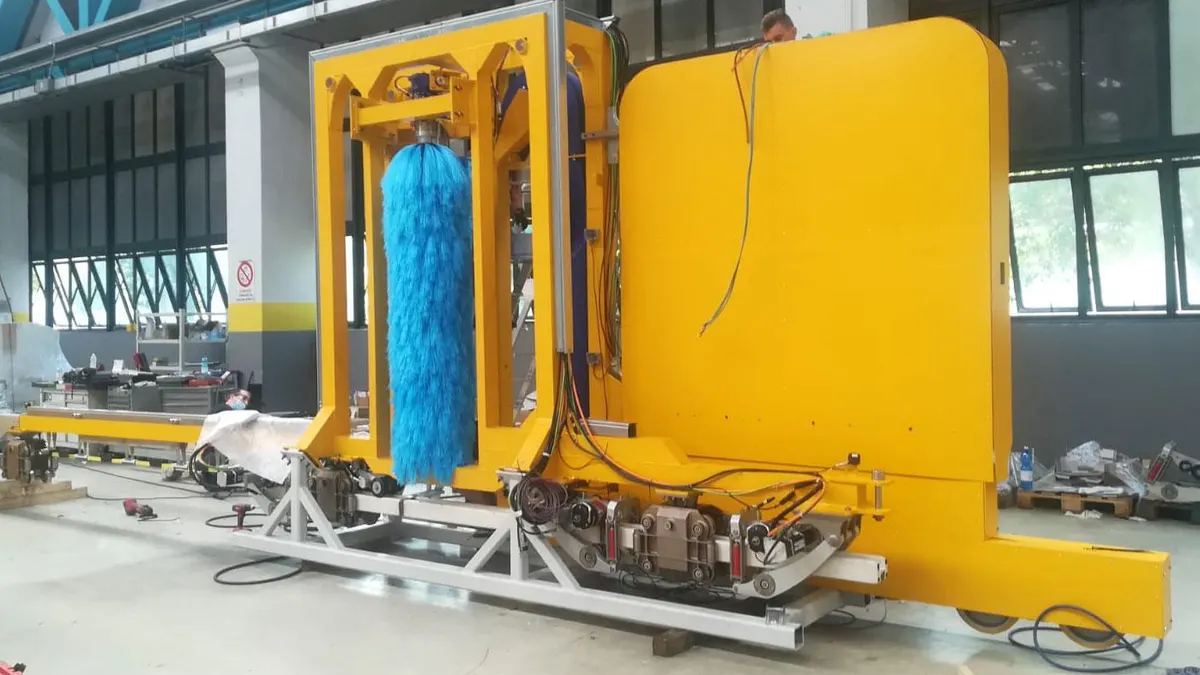
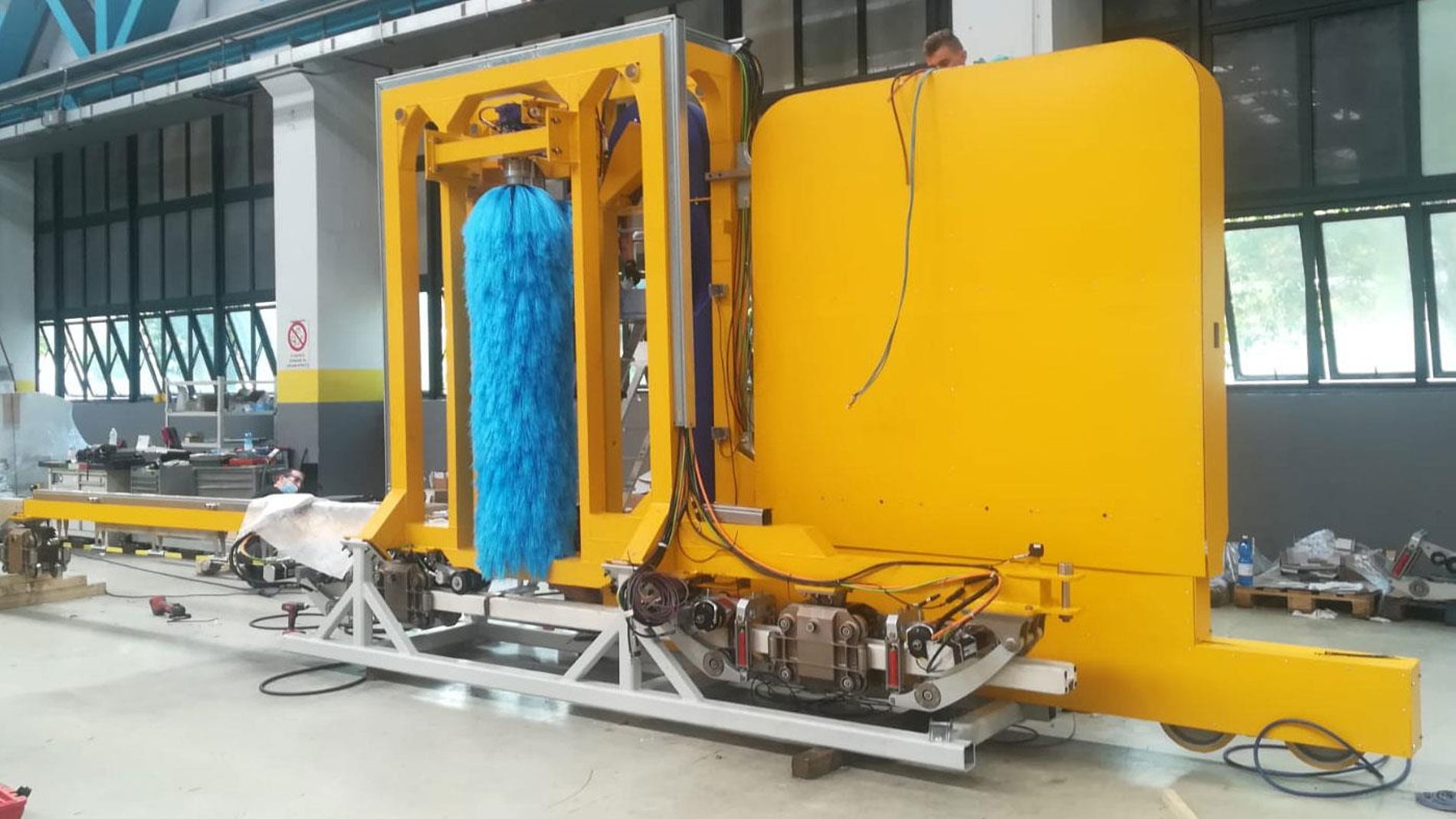
A pair of inspection robots works on each side of the viaduct, scanning the underside of the deck with cameras and sensors. Camozzi Group, which built the machines, says each inspection unit has 82 wheels and weighs more than 2.2 tonnes. The units are more than seven meters wide, and a retractable carbon fiber arm nearly 17 meters long positions sensors under the deck without cutting off traffic or requiring an elevated platform on the roadway.
The other two robots handle a less visible but routine task. The Italian Institute of Technology says these machines clean the glass windbreak barriers and the photovoltaic panels installed on the bridge. They carry anemometers and accelerometers that detect adverse weather conditions and allow the robots to return automatically to their charging zone.
Maintenance before the crack appears
A conventional bridge inspection requires mobilizing staff, access equipment and sometimes traffic restrictions. In Genoa, the robotic system is already installed and repeats the same route with the same cameras each time.
The city of Genoa has added more than 240 fiber optic sensors that measure the behavior of the deck and the pillars, along with humidity, lighting and energy readings. The photographs taken by the robots are not a separate collection; they feed into this continuous stream of data that helps schedule maintenance and decide where to look more closely.
Spain has the engineers, companies and control systems needed to monitor its own large infrastructure. What the Genoa case shows is a smaller, replicable decision: setting aside, from the design stage, a path for the robot to travel, a charging point, and an archive that compares every pass over the structure. The robot is useful because the bridge was already built to receive it.